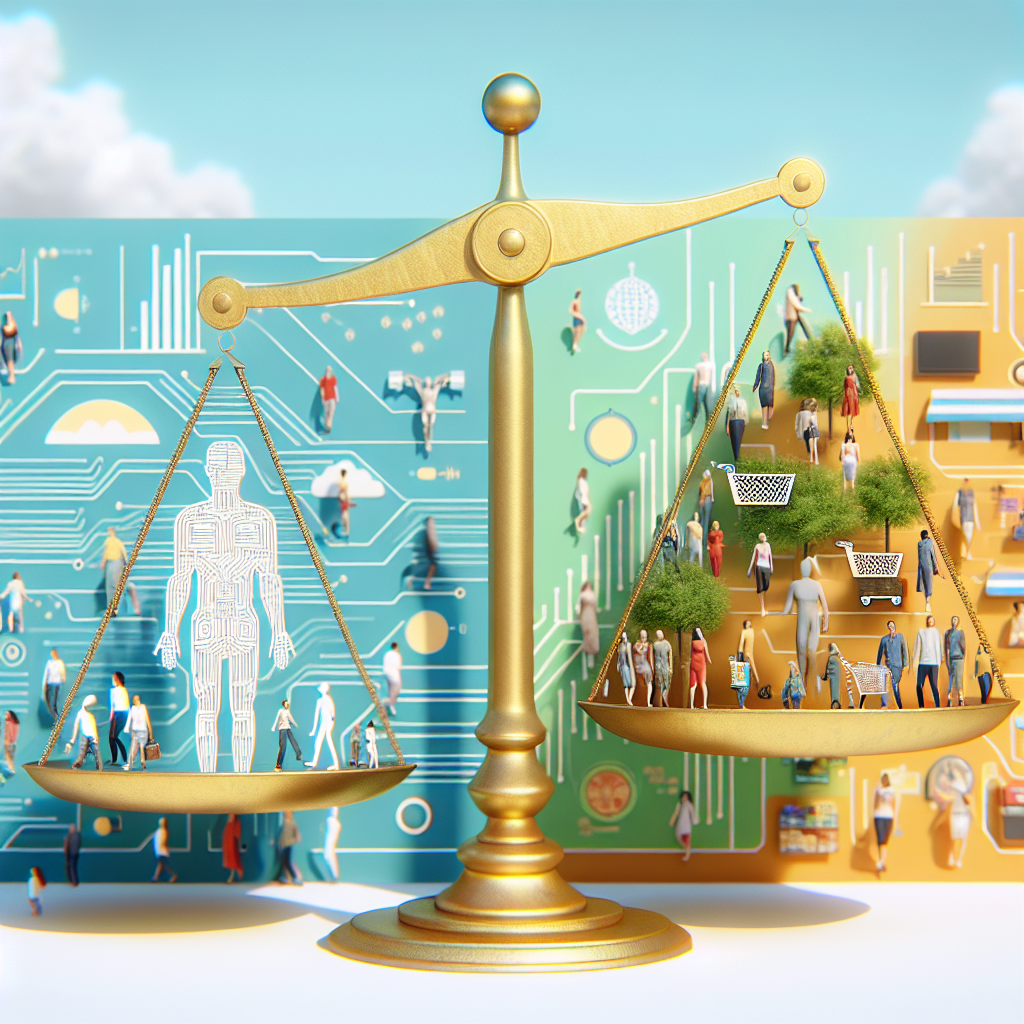
In a recent forecast that resonates deeply with the growing dialogue around artificial intelligence, Sam Altman, a prominent AI thought leader, made a striking prediction about the capabilities of AI systems. Speaking at a technology conference, Altman, the CEO of OpenAI, estimated that AI could surpass human intelligence within the next 5 to 10 years. However, he was conservative about the immediate impact of such advancements on daily life, suggesting that, despite significant transformations in AI, life for most people might continue with little disruption.
According to an article posted by Startup News titled “Sam Altman predicts AI will be vastly smarter than humans in 5-10 years, but life may roll on as usual,” Altman addressed the often sensationalized notions surrounding AI. He emphasized that while AI technology would evolve to be “vastly smarter” than humans, this does not inherently signal a dramatic shift in day-to-day human activities or societal structures in the immediate future.
This perspective offers a counterbalance to more alarmist views that predict a rapid and disorienting upheaval in various sectors of society due to AI advancements. Altman suggests that intelligent systems will incrementally integrate into industries such as healthcare, finance, and transportation, enhancing efficiencies and the capacity for innovation without necessarily displacing the foundational aspects of how these sectors operate.
Moreover, Altman’s statements underline a possibly serene coexistence with AI. He implies that while it is likely the technology will be able to perform many tasks more efficiently than humans, it is not necessarily a harbinger of the displacement of human roles. Instead, it portends a future where AI assists and augments human abilities rather than replacing them outright.
Despite these optimistic forecasts, Altman’s projection ignites further debate among economists, technologists, and policymakers regarding the future implications of AI on employment and ethical considerations. Particularly, it raises questions about how societies might deal with the challenges of re-skilling the workforce, addressing inequality issues that might arise from differential access to AI technologies, and managing the ethical complexities inherent in AI decision-making processes.
The subdued reaction to these unprecedented technological advancements could relate to the historical adaptations humans have made alongside technological innovations. From the industrial revolution to the digital age, humanity has shown resilience and adaptability. However, the scale and pace at which AI is advancing might test these adaptive capabilities in unprecedented ways.
While some pundits argue that Altman might be downplaying potential risks or disruptive impacts, it is also possible his approach aims to prevent the kind of fear that can stifle innovation and rational planning. As AI continues to become an integral part of the societal fabric, ongoing dialogue that involves experts from diverse fields will be crucial in shaping policies that ensure equitable benefits from AI technologies, safeguarding against misuse, and effectively managing transitions in the workforce.
The discussion around AI has shifted from whether it will impact various facets of life to how it can be integrated ethically and beneficially. Altman’s commentary not only adds an important voice to this discourse but also stresses the necessity of preparing for a future in which human and artificial intelligence coexist and complement each other in driving collective progress. As AI becomes an increasingly central component of innovation and daily life, discussions like these are crucial for planning the way forward in an AI-inclusive world.