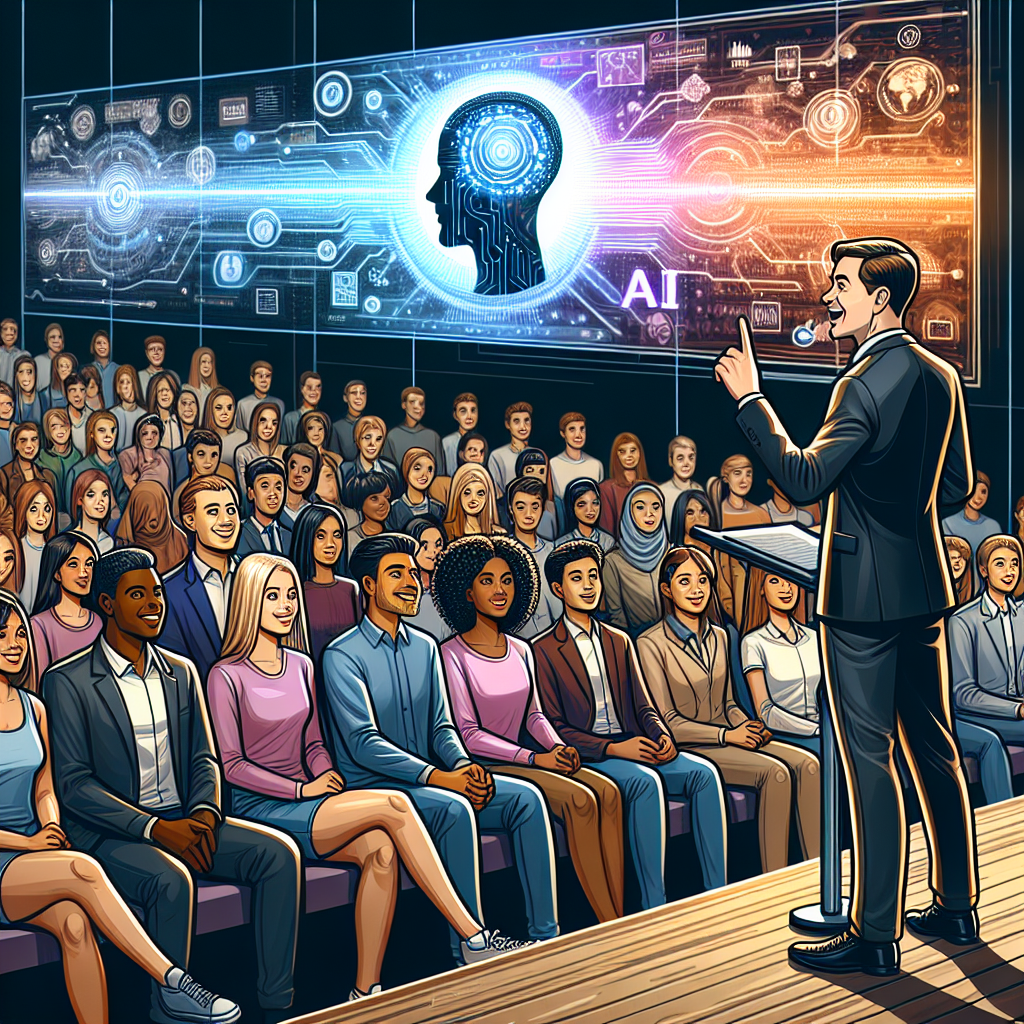
In a recent address to students at an educational technology conference in Bengaluru, Microsoft India’s president underscored the importance of proficiency in artificial intelligence (AI) tools for today’s youth. The speech, which emphasized creating fluency with digital tools as an essential skill for upcoming generations, highlighted AI’s expanding role in shaping modern workplaces and innovation sectors.
Referencing a piece by Startup News titled “Learn to Play Around with AI Tools, Get Fluent: Microsoft India President Advises Youth,” the president’s insights come at a pivotal moment. With India emerging as a significant hub for technology and innovation, the need for a workforce that is not only familiar with but also proficient in AI and machine learning technologies is more pressing than ever.
AI is no longer confined to labs and research centers but is a part of everyday applications, from automated customer service and data analysis to more complex problem-solving scenarios in business and beyond. The president argued that harnessing the full potential of AI tools requires a fundamental shift in education and training frameworks. This entails integrating AI literacy at multiple levels of education, not just as a specialized course for higher education students but starting in primary and secondary schooling.
The president also elaborated on how AI proficiency could lead to economic benefits, citing examples of businesses that have gained a competitive edge by adopting advanced digital strategies. For India, with its large, young population, such an approach could translate into significant economic growth and global competitiveness.
The need for AI fluency underscores a broader shift in global job markets, with increasing emphasis on digital skills across sectors. As automation and smart technologies become commonplace, the workforce needs to adapt, leading to calls for educational institutions to introduce foundational and advanced AI courses that are accessible to all students.
The call for action extends beyond educational policies; it also suggests the need for partnerships between technology companies, government institutions, and educational bodies to ensure that the upcoming workforce is ready for the future. By doing so, it could potentially bridge the existing digital divide while fostering an environment of innovation and inclusive growth.
This emphasis on AI education aligns with national priorities, such as the Digital India campaign, aiming to transform the entire ecosystem of public services through the use of information technology. The government’s focus on creating such a digitally empowered society and knowledge economy positions AI and machine learning as pivotal in its strategy.
Looking ahead, the president of Microsoft India urged the students and educators at the conference to take proactive steps towards embracing AI tools in their daily lives and academic endeavors. The ability to play around with, understand, and apply these tools will not only enhance personal capabilities but also contribute to the broader societal advancements in technology and digital literacy. In a technology-driven world, becoming fluent in AI is perhaps the most immediate and impactful way for the youth to prepare for future challenges and opportunities.