In an enlightening exposé recently published on Startup News, the origin story of the karaoke machine, a staple in entertainment venues around the globe, takes center stage. The article titled “The Story Behind the First Karaoke Machine” delves into the innovation and serendipity that paved the way for one of Japan’s greatest cultural exports.
The genesis of the karaoke machine traces back to the early 1970s, specifically to the work of Japanese musician and inventor Daisuke Inoue. As the story goes, Inoue was requested by a regular client to create a machine that could play music for him to sing along during a business trip, as he often needed to perform songs himself on the keyboard. Realizing the potential of such a device, Inoue developed the first karaoke machine, which he named the “Juke-8.”
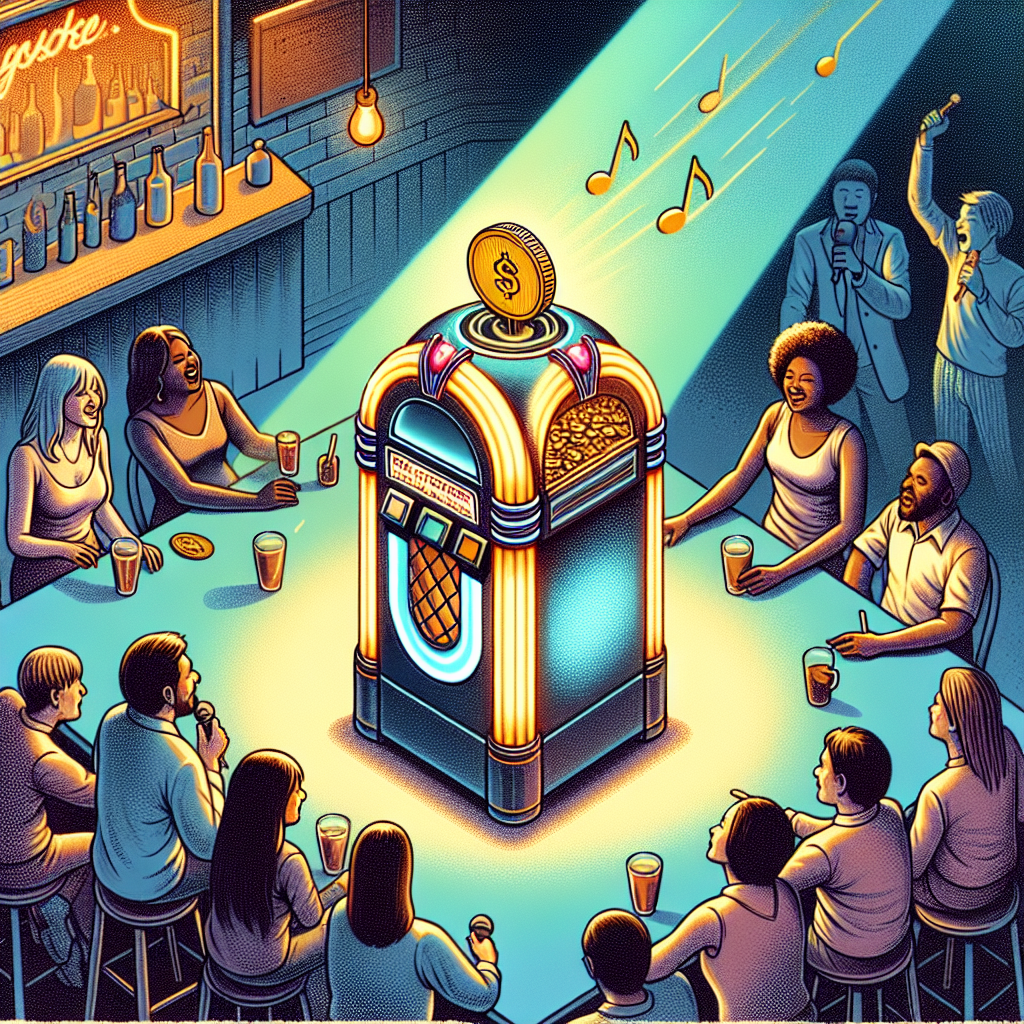
Inoue’s invention initially comprised a car stereo, a coin box, and an amplifier. This rudimentary configuration allowed users to insert coins and sing along to popular tracks without the need for a live band. Despite the novelty and eventual widespread popularity of his invention, Inoue decided not to patent the device—an oversight that culminated in other companies capitalizing on the karaoke trend, which rapidly became ingrained in global popular culture.
Apart from detailing the invention itself, the original article in Startup News also reflects on the broader implications of Inoue’s work, including how cultural products travel and morph across different societies. Karaoke’s journey from local entertainment to global phenomenon highlights the intricate dynamics of cultural globalization—a subject of interest to sociologists and economists alike.
In addition, the piece provides insights into the economic ramifications for Inoue and the karaoke industry. Without a patent, Inoue missed out on the substantial royalties he would have otherwise earned from his invention. Yet, decades later, the karaoke machine has emerged as a multi-billion-dollar industry that has inspired an array of technological innovations in music and entertainment.
Importantly, the tale of the karaoke machine and its accidental inventor incites consideration of intellectual property and its protection, which resonates with modern startup cultures where innovation is at premium. For entrepreneurs and inventors in today’s fast-paced technological landscape, Inoue’s story serves as both inspiration and cautionary tale.
The narrative of Daisuke Inoue and his unintentional gift to the entertainment world encapsulates themes of cultural exchange, economic impact, and innovation—elements that continue to shape our interactions with technology and culture today. As karaoke machines keep evolving with features like cloud-based track lists and enhanced user interfaces, the legacy of Inoue’s pioneering spirit sings on, a reminder of the unforeseen impacts one invention can have on the world.