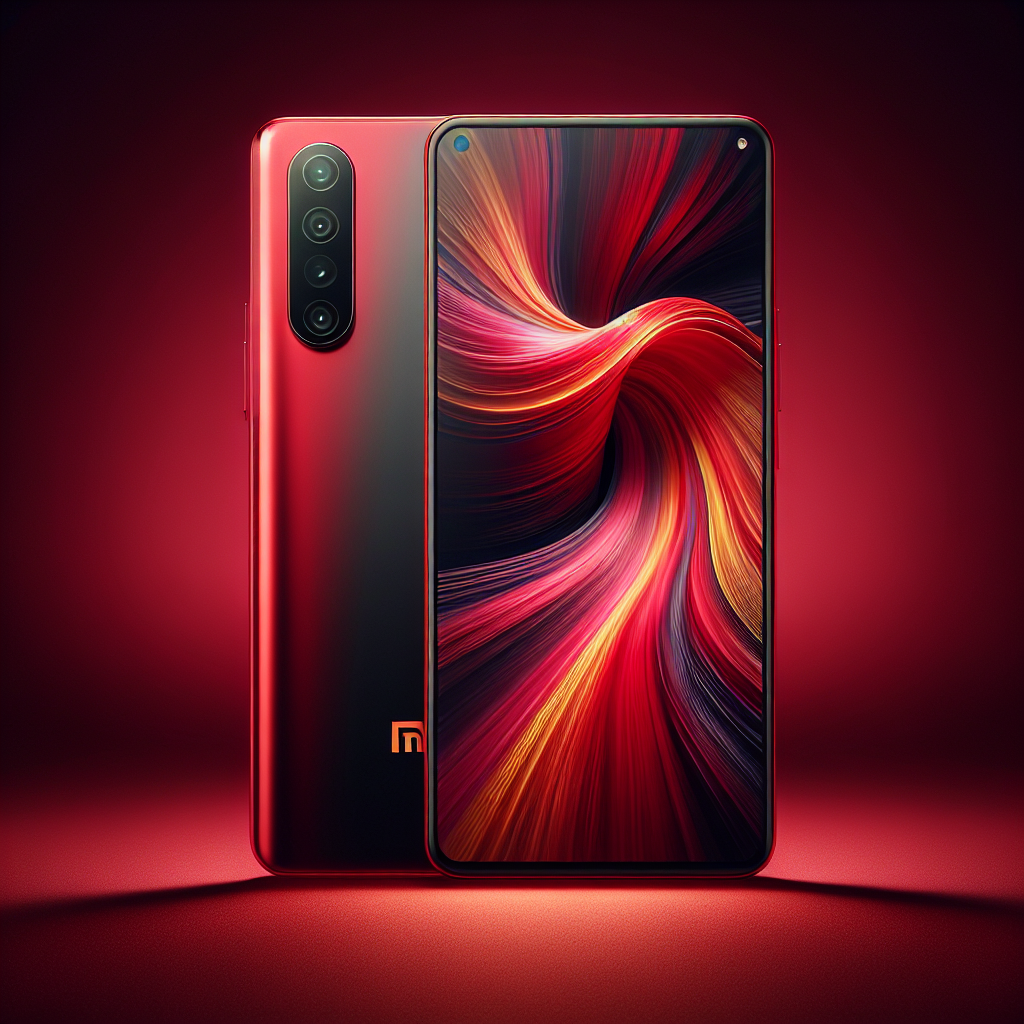
In a bold leap forward in smartphone design, Xiaomi has rolled out its latest innovation, the Xiaomi 17 Pro, which notably features a second screen on the rear of the device. This unconventional addition, as highlighted in an article on Startup News FYI titled “Forget iPhone 17 Pro, Xiaomi 17 Pro Just Put a Second Screen on the Back”, sets a new competitive standard in the dynamic smartphone market.
The concept of a rear screen is not entirely new, having been seen in niche models in the past, but Xiaomi’s implementation comes at a time when consumer demand for versatile, multifunctional devices is soaring. The primary utility of the secondary screen, as described, is to assist users in capturing selfies with the higher-quality rear cameras, thereby bypassing the lower-resolution front-facing cameras that are commonplace.
Beyond enhancing photographic capabilities, the rear display offers additional functionalities such as showing notifications, time, and weather, without needing to flip the device. This could prove helpful for users looking to minimize screen-on time and extend battery life, aspects that are increasingly under consumer scrutiny amidst a backdrop of environmental and economical concerns.
Industry analysts suggest that Xiaomi’s design innovation might stir a response from competitors, notably Apple, which has traditionally maintained a minimalistic approach with its iPhone designs. The iPhone 17 Pro, despite its advanced features, adheres to a more conventional model and does not offer the dual-screen feature that Xiaomi boasts. This raises questions about possible shifts in design strategies amongst leading tech giants as they aim to cater to the ever-evolving tastes and preferences of technology consumers.
From a market perspective, Xiaomi’s strategy could be seen as an attempt to capture higher market share in regions where technology adoption rates are vast and where there is a robust appetite for high-end smartphones. This is particularly poignant in Asian markets, where Xiaomi already has a significant presence.
The introduction of the Xiaomi 17 Pro with its rear screen feature will likely set the stage for future designs in the industry, compelling other manufacturers to rethink the functionality and interactive aspects of smartphone user interfaces. As we advance into a new era of smartphone design, the focus remains not only on aesthetic appeal and hardware advancements but also on how these devices can enrich user interaction and daily functionality. As competitors analyze Xiaomi’s market performance with this new feature, the next few years could indeed witness a new wave of innovative designs that could redefine the smartphone experience.