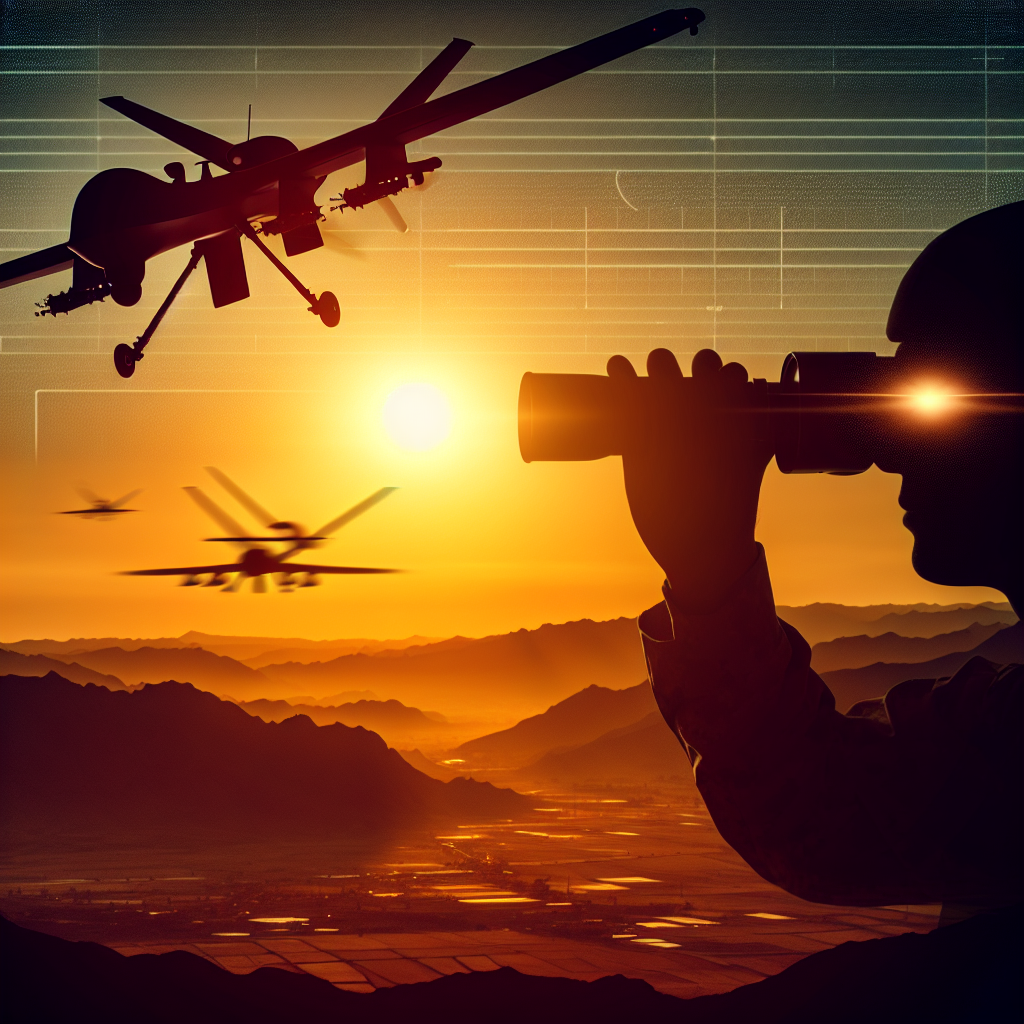
In a recent development that underscores the tensions in the Middle East, Israel faces fresh challenges following the launch of Unmanned Aerial Vehicles (UAVs) from Gaza. These drones, primarily used for monitoring purposes, also intended to cause damage to Israeli targets, signal a technological shift in the methods employed by Palestinian factions within the conflict-plagued region.
According to a detailed report by the Hebrew news outlet, Calcalist, the drones launched towards Israel are indicative of a strategic shift favoring increased use of unmanned systems in conflict scenarios. This trend posits a significant adjustment not only in the tactical approaches of such groups but also raises larger questions about the future of aerial warfare and surveillance in a densely populated and highly contentious area.
Israel’s Defense Forces (IDF) have confirmed that these UAVs were effectively intercepted, underscoring the nation’s continuing evolution in defensive tactics and technologies. The IDF remains vigilant, ready to deploy a range of countermeasures including advanced missile defense systems which are pivotal in intercepting such threats.
The employment of drones for surveillance and direct strikes isn’t new in military operations; however, the use of such technology by non-state actors like those in Gaza represents a proliferation of drone technology that could potentially alter the security landscape of the region. This shift is reflective of a global trend where drone usage has become more democratized, with lower barriers to entry in terms of cost and technical expertise.
The implications of such technological adaptations are far-reaching. On one hand, they represent a leap toward more sophisticated means of warfare and intelligence gathering by groups in Gaza, undoubtedly complicating the already fragile security scenario. On the other hand, this introduces new vulnerabilities. Drones, by virtue of their size and modes of operation, can sometimes evade traditional radar systems, posing challenges for even the most advanced defense apparatus.
Moreover, the psychological impact of drone threats on civilian populations can be profound, adding an additional layer of distress in a region where peace remains elusive. The anticipation of low-flying, potentially weaponized drones can induce a significant psychological burden on the inhabitants of any region under threat.
Global responses to similar situations underscore the necessity for international cooperation in addressing the spread and use of such technologies in conflicts. There is also an increasing need for regulatory frameworks that govern the use of UAVs, aiming to mitigate risks associated with their misuse while also exploring potentials for civilian uses under stringent guidelines.
The developments in Gaza highlight an essential aspect of contemporary conflicts: the role of technology as both a catalyst and a disruptor. As non-state actors continue to acquire and utilize advanced technologies, states and international bodies must anticipate and prepare for shifts in traditional warfare paradigms, ensuring that protective measures evolve at a pace that matches or exceeds that of offensive capabilities. This necessitates a continual reassessment of defense strategies, international law, and ethical norms surrounding the use of emerging technologies in combat scenarios.
Navigating this evolving landscape requires a delicate balance of agility, strategic foresight, and technological acumen, ensuring that safety and stability can be preserved in the midst of technological escalation. The continued vigilance of the IDF and similar defense forces around the world in monitoring and responding to new threats is a testament to the changing contours of national and regional security in the 21st century.