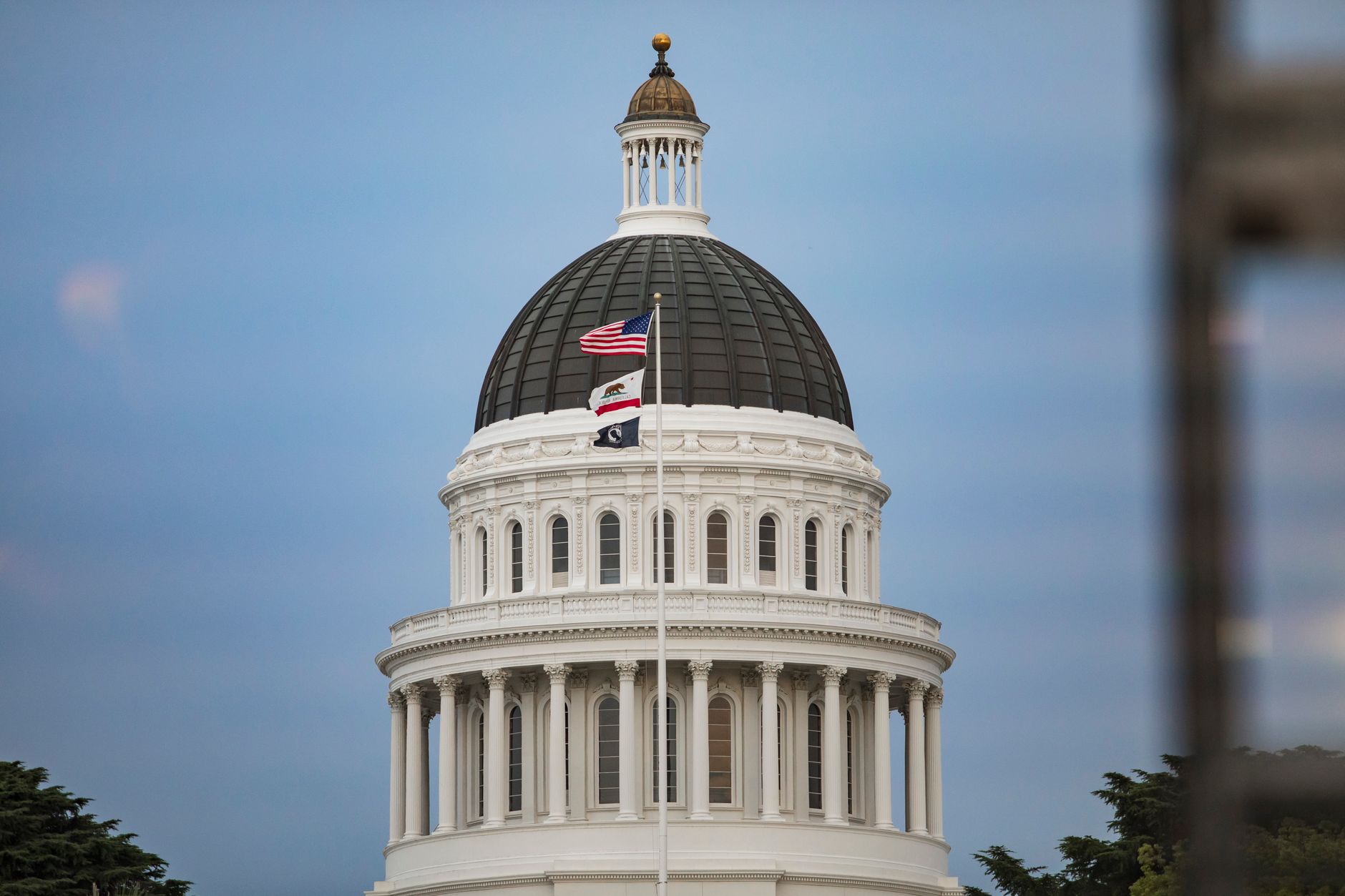
California’s trailblazing approach to guiding the development and deployment of artificial intelligence continues to set a precedent, demonstrating that strict regulatory frameworks and cutting-edge technological innovation are capable of symbiosis rather than conflict. Last week, the state legislature passed a landmark AI safety law, the broad implications of which are assessed in the report “California’s New AI Safety Law Shows Regulation and Innovation Don’t Have to Clash,” published by Startup News FYI. The law introduces extensive regulations designed to ensure AI systems are built and operated safely, a concern that resonates deeply as AI applications permeate more segments of daily life and the economy.
The law, which comes at a critical juncture when AI technology is increasingly intertwined with significant sectors such as healthcare, automotive, and finance, aims to establish standards that foster both innovation and public confidence. Developers are now required to conduct comprehensive risk assessments and audits for bias and flaws before their AI systems can be deployed in the public sphere. This forward-thinking regulatory approach is a marked departure from the lighter, more reactive measures seen in most parts of the United States.
California’s example is particularly instructive following recent incidents where inadequately regulated AI applications have led to significant public safety and privacy infringements. The proactive nature of the California law stipulates not only early-stage testing but also continuous monitoring after deployment, ensuring that AI systems operate within ethical boundaries that evolve alongside the technology.
Some tech industry pundits had expressed concerns that stringent AI laws would stifle innovation, driving tech companies and startups to friendlier regulatory environments. However, the early indications are contrary to this fear. According to Startup News FYI’s analysis, rather than dampening entrepreneurial spirit, the clarity and security provided by such structured regulations have attracted investment, inspiring confidence in venture capitals that the state is building a sustainable framework where long-term AI innovations can flourish without unexpected legal or ethical roadblocks.
Furthermore, the law’s emphasis on transparency and accountability could set a new standard nationally and globally. Companies operating under this California framework could potentially gain a competitive edge, marketed as more reliable and secure by adhering to stringent safety checks. This could compel other regions to follow suit, adopting similar measures to cater to an increasingly conscientious consumer base that prioritizes ethical considerations alongside technological advancements.
In summary, California’s new AI safety law not only addresses the immediate imperatives of controlling a potentially unruly technology but also strategically positions the state at the forefront of the future of AI governance. It’s becoming distinctly possible that what happens in California could set the stage for national, or even global, standards. Considering this development, other states and nations watching California’s experiment with keen interest may find that reassurance and regulation in AI don’t just coexist; they complement.