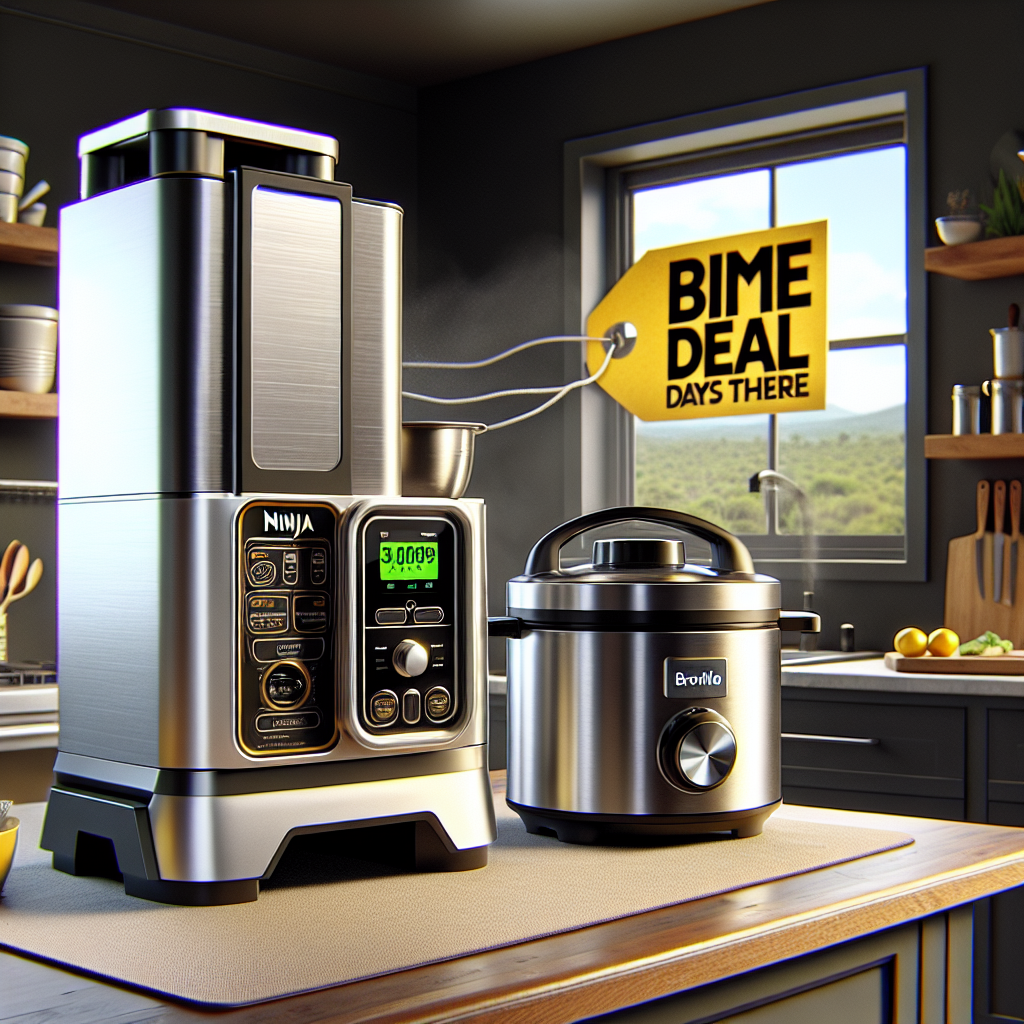
In an era where the appreciation for meticulously brewed coffee has become a marker of the gourmet experience at home, the latest entrant into the competitive home coffee maker market, the Ninja Coffee Machine, has captured the attention of aficionados with a noteworthy debut discount during Australia’s Prime Big Deal Days. This development is not just a testimony to burgeoning e-commerce festivities but also underscores the evolving preferences of the Australian consumer market.
The Ninja Coffee Machine, which has until now been eclipsed at the high-end of the market by established names like Breville, is making waves not just for its technology but also for its strategic entry into the market with a promotional discount aimed to appeal directly to the domestic demographic. As highlighted in a recent report by the publisher Startup News FYI, which reviewed the new offering under the title “Forget Breville, My Dream Ninja Coffee Machine has Just Received Its First Aussie Discount for Prime Big Deal Days,” the device boasts innovative features that cater to a growing segment of coffee consumers who cherish both customization and convenience in their brewing experience.
Understanding the market dynamics, it’s clear that Ninja’s approach speaks to broader trends in consumer electronics. Amidst economic uncertainty and rising consumer expectations, affordable luxury items, particularly in kitchen appliances, have seen a steady surge. The Ninja Coffee Machine’s timely discount can be seen as a tactical move to tap into the seasonal spike in online shopping, leveraging the allure of deals to introduce new users to the brand.
What sets Ninja apart in the crowded market is also its focus on precision and user-friendly features. The machine promises an array of customizable options, from strength controls and various brewing styles to a compact design favorable for urban kitchens. This level of personalization aligns well with the contemporary consumer’s lean towards more controlled and personality-reflective products in the kitchen space.
Moreover, the challenge against brands like Breville indicates a shifting landscape where brand loyalty faces off against feature-based purchasing decisions. More Australians, especially millennials and Gen Z consumers, are displaying less brand affinity and more curiosity about product capabilities and innovations. In such an environment, initial discounts during high-traffic shopping days offer a dual benefit: immediate consumer engagement and long-term brand visibility.
The coffee maker’s market entry strategy, highlighted by the discount, may also signal a shift in how new appliances are launched and marketed in the region, reflecting a deeper understanding of consumer behavior patterns that vary notably from traditional Western markets. Analysts will be watching closely to see if this pricing strategy translates into sustained sales growth beyond the discount period.
The impact of this strategic pricing approach will undoubtedly provide key insights into the competitive dynamics of the home coffee maker market in Australia, suggesting future directions for both new entrants and established players. As these market dynamics continue to evolve, the intersection of technology, consumer expectation, and strategic market entry will increasingly define the success trajectories for home appliance brands in the region.