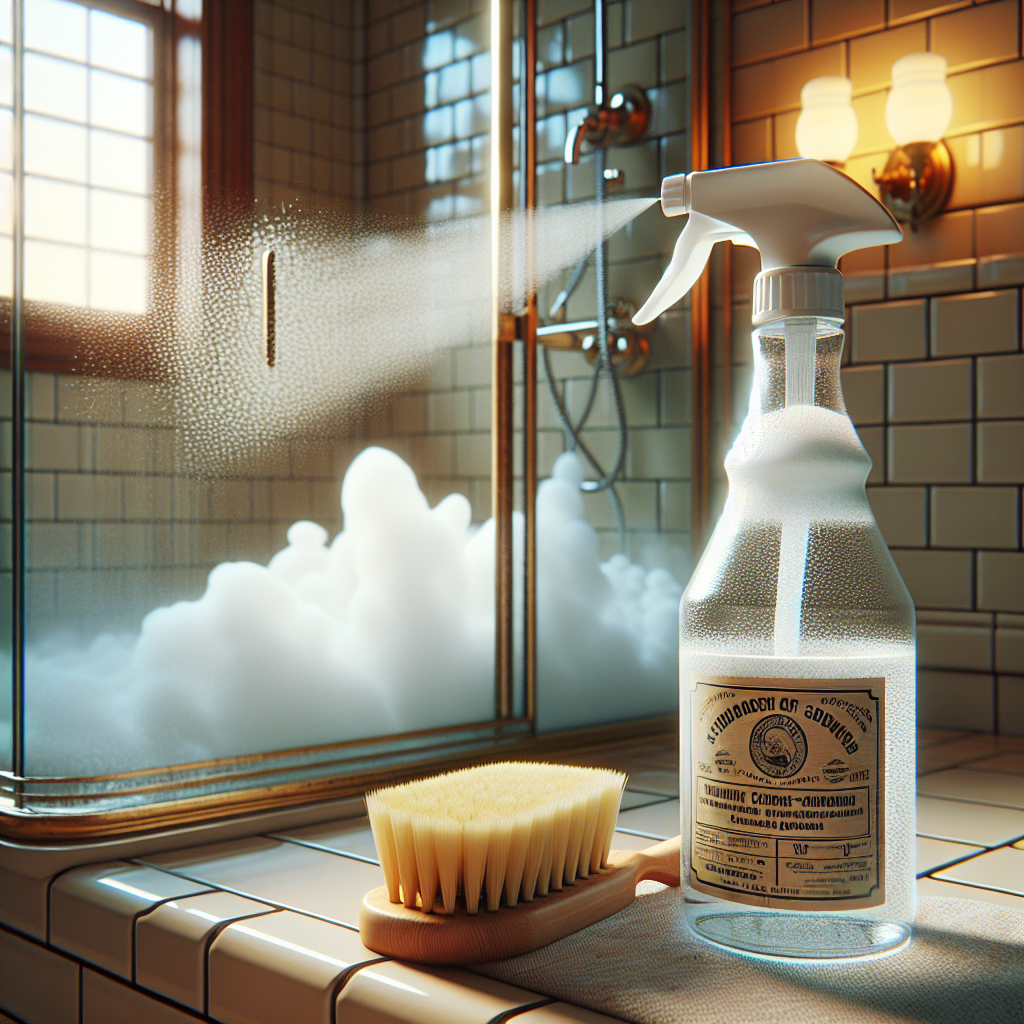
In a world increasingly focused on home efficiency and maintenance innovation, a recent article titled “I’ve Discovered How to Remove Soap Scum From My Shower and I’m Never Going to Have Grimy Glass Again” published by Startup News FYI has attracted attention among homeowners and cleaning technology enthusiasts. The piece offers a firsthand account of a surprisingly effective and straightforward method for eliminating one of the most persistent bathroom nuisances: soap scum on glass shower doors.
The article’s author details a home-tested solution that blends everyday accessibility with tangible results, emphasizing a vinegar-and-dish soap mixture as the central ingredient in the cleaning process. While the method itself is not new—cleaning forums and DIY platforms have long circulated similar advice—the practical results and enthusiastic testimonial presented in the article lend renewed credence to such low-cost, low-tech approaches.
Startup News FYI’s piece stands out for its synthesis of anecdotal experience with broadly appealing utility. It arrives at a time when consumer interest in home cleaning solutions is being magnified by the wider emphasis on wellness, cleanliness, and environmental responsibility. The article taps into this cultural current by offering an alternative to industrial-grade chemicals and single-use cleaning gear, instead highlighting a more sustainable and wallet-friendly option.
Experts in the home improvement sector suggest such stories are vital for bridging the gap between professional-grade treatments and everyday application. “People often assume that a sparkling home requires professional help or expensive products,” said Melissa Carter, a building materials consultant and contributor to the National Association of Home Builders. “But practical insights like this one remind us that some of the most effective solutions may already be in our kitchen cabinets.”
Market analysts also note the commercial implications of viral cleaning hacks. When homemade or DIY solutions begin to trend—especially those that require only common household items—retailers and manufacturers often feel the ripple effects, with sales of vinegar, dish soap, and microfiber cloths temporarily surging following widespread online exposure. The article’s circulation may therefore contribute to a notable shift in consumer purchasing patterns, at least in the short term.
However, the rise of user-driven insights has also reignited discussions about the reliability and safety of amateur experiments. While the vinegar-and-soap combination is generally considered safe for most surfaces, experts recommend testing on a small area before widespread application. Additionally, not all materials—particularly certain natural stones or new glass coatings—respond well to acidic cleaners, pointing to the importance of context-specific advice.
Nevertheless, the popularity of the piece on Startup News FYI underscores a growing appetite for home maintenance advice that combines simplicity with visible results. As public interest in household sustainability and indoor cleanliness continues to rise, such grassroots discoveries may play an increasingly prominent role in shaping how consumers manage their living spaces—without grime and, increasingly, without guesswork.