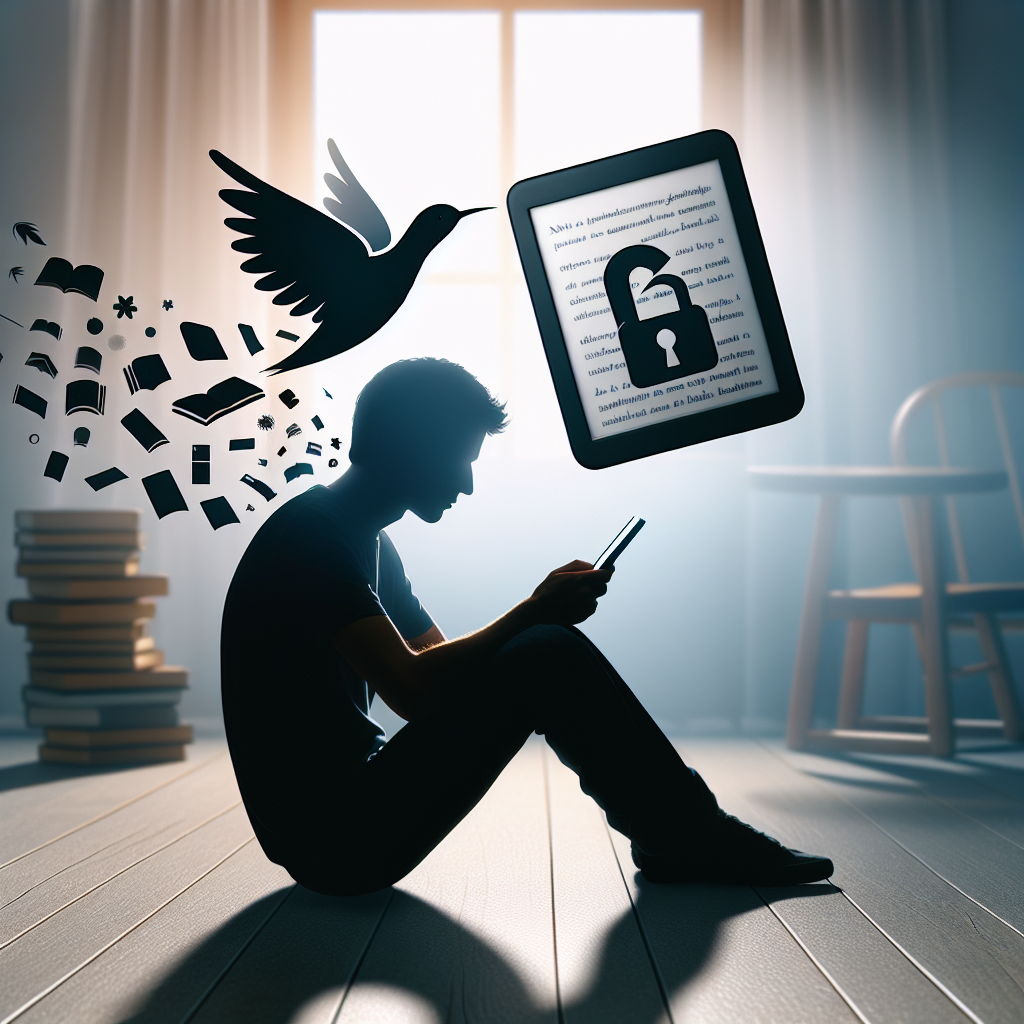
As digital reading continues to dominate the literary landscape, a growing number of Kindle users are seeking to reclaim more control over their devices, turning to a controversial yet increasingly discussed practice: jailbreaking. A recent article titled “7 Reasons You Might Want to Jailbreak Your Kindle,” published on Startup News FYI, highlights a range of motivations behind this emerging trend and raises critical questions about consumer rights, device ownership, and the direction of digital publishing.
According to the article, users are most often drawn to jailbreaking their Kindle devices to overcome limitations imposed by Amazon’s closed ecosystem. Among the key incentives cited are the ability to customize device fonts and interface elements, install third-party applications, and gain broader file compatibility beyond Amazon’s native formats. These modifications, supporters argue, enable a richer and more personalized reading experience not confined to the constraints set by the manufacturer.
Another feature drawing interest is expanded note-taking capability, allowing users to export annotations in more flexible formats and manage their reading data without reliance on Amazon’s cloud infrastructure. Additionally, jailbreaks can unlock the ability to adjust screensavers, remove ads from devices sold at a discounted price in exchange for sponsored content, and access enhanced dictionary and translation tools not offered in standard Kindle software releases.
Critically, the article notes that jailbreaking is not without its risks. Chief among them is the potential to void the device’s warranty or encounter unintended software malfunctions. Furthermore, periodic firmware updates from Amazon may disable some jailbreak functions or render previously jailbroken devices unusable without technical workarounds.
While the legality of jailbreaking personal devices remains a complex issue, in many jurisdictions it is permitted under certain consumer protection exemptions—for example, when modifications are intended for lawful purposes such as improving accessibility. Nonetheless, Amazon maintains a firm position against the practice, citing concerns over device security and the potential for piracy.
The underlying tensions highlighted by the Startup News FYI article point to broader debates within the tech industry about digital rights. As corporations increasingly employ software restrictions to control how hardware can be used, the jailbreaking phenomenon reflects a pushback from users who view ownership as including the freedom to modify and enhance their devices.
Although jailbreaking remains a niche practice limited to technically skilled users willing to navigate the complexity and risks it entails, its growing visibility underlines an important shift. Just as smartphones and gaming consoles saw increasing calls for customization in previous decades, the Kindle’s tightly controlled environment is now being questioned by a segment of its user base seeking greater autonomy.
As the digital reading market evolves, it remains to be seen whether companies like Amazon will respond to user demands for customization and openness—or whether jailbreaks will continue to be the only path forward for those who want to take full control of their devices.