As concerns over sedentary lifestyles and their long-term health implications continue to rise, posture correctors have surged in popularity among consumers seeking relief from back pain and poor spinal alignment. In a recent feature titled “The Best Posture Correctors” by Wired, writer Medea Giordano explores a range of products designed to gently guide the body into better alignment, evaluating their merits and limitations in a landscape marked by both medical interest and consumer curiosity.
Posture correctors—ranging from high-tech wearables to more traditional braces—promise to mitigate the physical strain caused by hours spent hunched over screens or seated at desks. With remote work entrenched for many and digital interactions replacing physical engagement even in casual settings, the appeal of a quick fix for slouching shoulders has grown. However, the Wired article underscores an essential point: no device serves as a panacea.
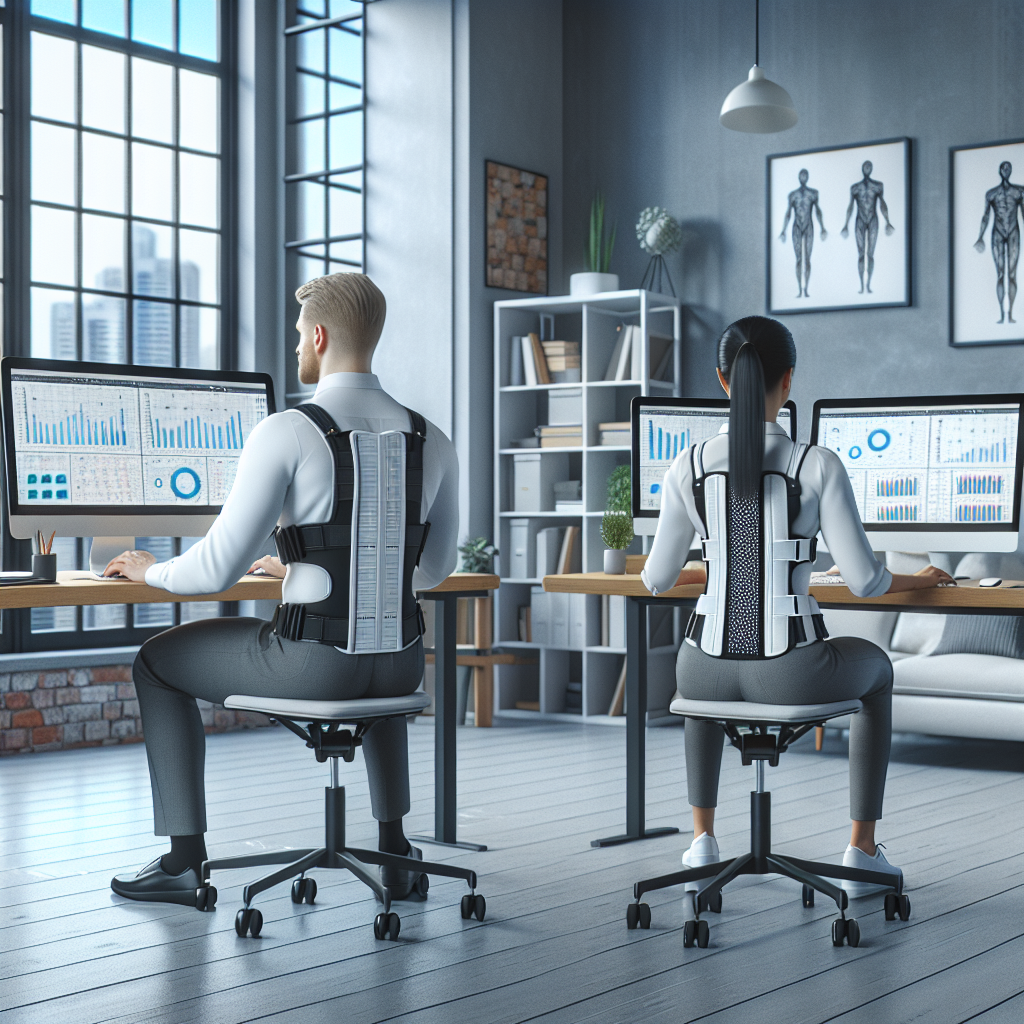
Giordano’s review methodically assesses a number of devices, each targeting slightly different needs. Some are harness-like contraptions that pull the shoulders back physically, while others incorporate sensors and vibrations to issue subtle behavioral nudges when posture starts to falter. Prices, features, comfort levels, and results vary widely, revealing the considerable complexity behind selecting the right tool for a user’s specific condition and daily routine.
Yet as practical as these devices may seem, posture correction remains a nuanced issue, with many health professionals warning against overreliance on external supports. Wired echoes this caution, emphasizing that such tools should be seen as short-term aids rather than permanent solutions. Several physical therapists quoted in related contexts recommend a holistic strategy—pairing occasional use of a corrector with strengthening exercises, habit changes, and ergonomic improvements in the workspace.
Furthermore, the effectiveness of these devices often depends more on the user’s commitment than the hardware itself. The article points out that consistency, self-awareness, and follow-through with complementary movement practices like yoga or physiotherapy exercises will ultimately determine whether someone sees long-term improvement.
The growing market for wearable health tech continues to straddle the line between consumer gadget and medical device. Posture correctors exemplify this trend, marketed heavily through social media yet addressing a medically relevant concern. Regulatory oversight remains minimal, meaning buyers must exercise careful research and perhaps consult healthcare professionals prior to spending money in pursuit of relief.
In offering a curated guide to posture correctors, Wired’s piece provides a valuable service to individuals seeking comfort in a modern world seemingly built for sitting. But the article also serves as a quiet reminder: true correction comes not from gadgets alone, but from a conscious effort to rethink how we move, sit, and live.