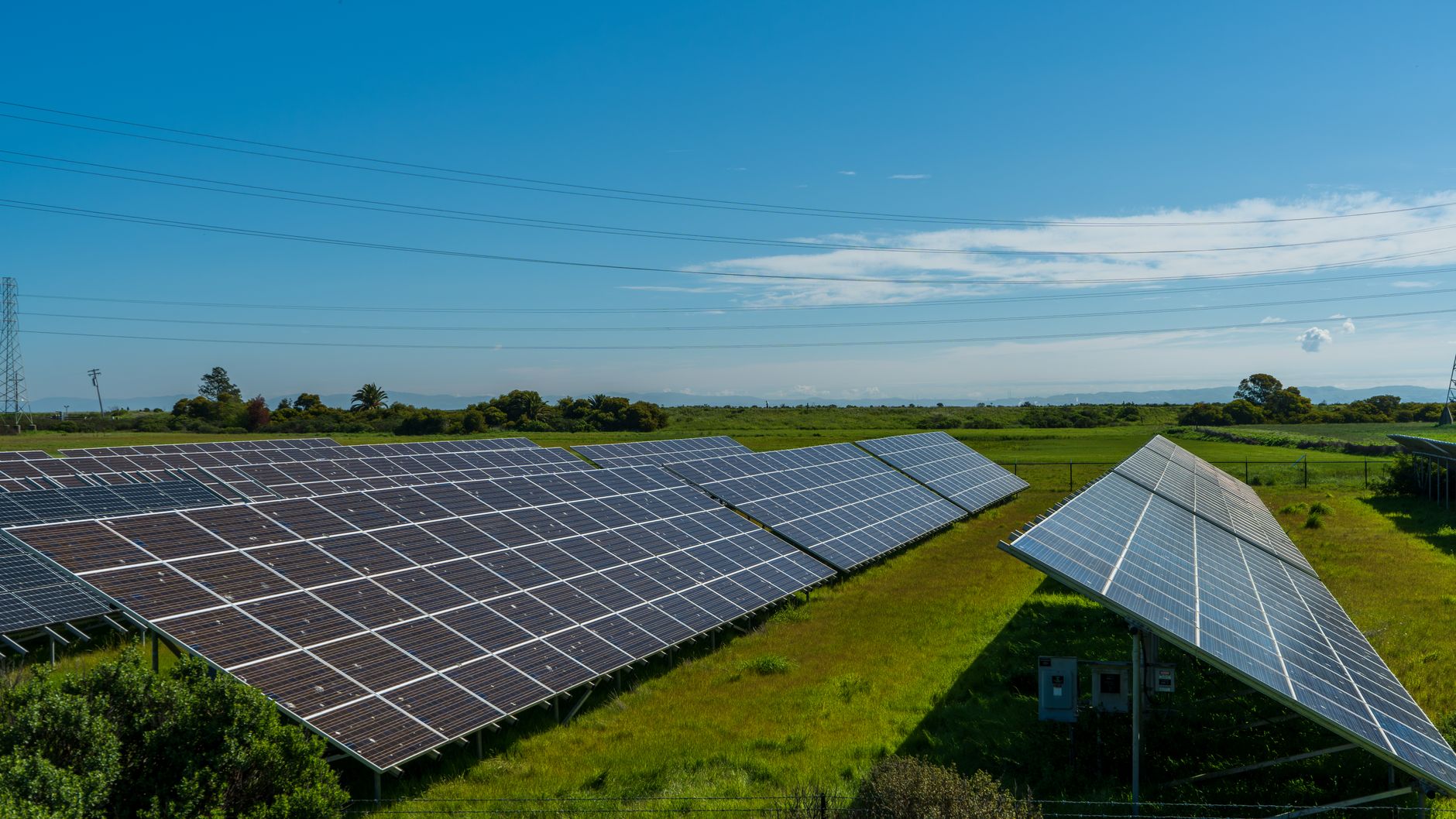
In an effort to mitigate the impacts of climate change while enhancing energy security, Israel Energy Minister, Israel Katz, has put forth an ambitious proposal to install solar panels above all of the country’s water reservoirs. This initiative is part of a broader strategy to increase the nation’s renewable energy output, as detailed in the recent report by Calcalistech.
The plan, which aligns with Israel’s target to achieve 30% of its energy from renewable sources by 2030, seeks to exploit the synergies between water management and solar power generation. The dual utilization of water reservoir spaces not only maximizes the efficient use of land but also reduces water evaporation, thereby conserving a critical resource in a region perennially challenged by water scarcity.
Solar panels positioned over reservoirs can potentially lead to higher energy efficiency. The cooling effect of the water can enhance the efficiency of solar panels, which typically diminish in performance as temperatures rise. This setup, therefore, stands to offer more consistent and potentially increased power generation compared to traditional solar farms, especially during peak hours.
The concept, though innovative, is not entirely new. Similar projects have been successfully implemented in other parts of the world, including India, the United Kingdom, and the United States. These international precedents provide valuable insights into the environmental benefits and logistical challenges of such undertakings.
Economic implications are also key to the project’s viability. Initial costs for installing solar panels over water bodies are generally higher than those for land-based solar installations. However, the long-term benefits in terms of increased power output and reduced water evaporation could very well offset these upfront expenses. Additionally, this initiative could open up new avenues for collaboration between public institutions and the private sector, potentially leading to job creation in green technologies and sustainable infrastructure development.
While the proposal is promising, its implementation will require meticulous planning and substantial investment. Challenges such as potential impacts on water quality, biodiversity, and local ecosystems must be carefully considered and addressed. Furthermore, the technological integration of such a large-scale solar operation into the national grid, along with the maintenance and resilience of the system against environmental factors, are crucial points that need detailed exploration and robust solutions.
Minister Katz’s proposal is set against a backdrop of growing international focus on the integration of renewable energy solutions in response to the global climate crisis. As nations around the world ramp up their efforts to decrease dependency on fossil fuels and cut down on greenhouse gas emissions, Israel’s venture into dual-use solar technology may offer valuable lessons and a model for renewable energy innovation.
As this project moves from concept to execution, it will be essential to monitor its development not only as a testament to Israel’s commitment to environmental sustainability but also as a befitting addition to the global repertoire of climate change mitigation strategies.