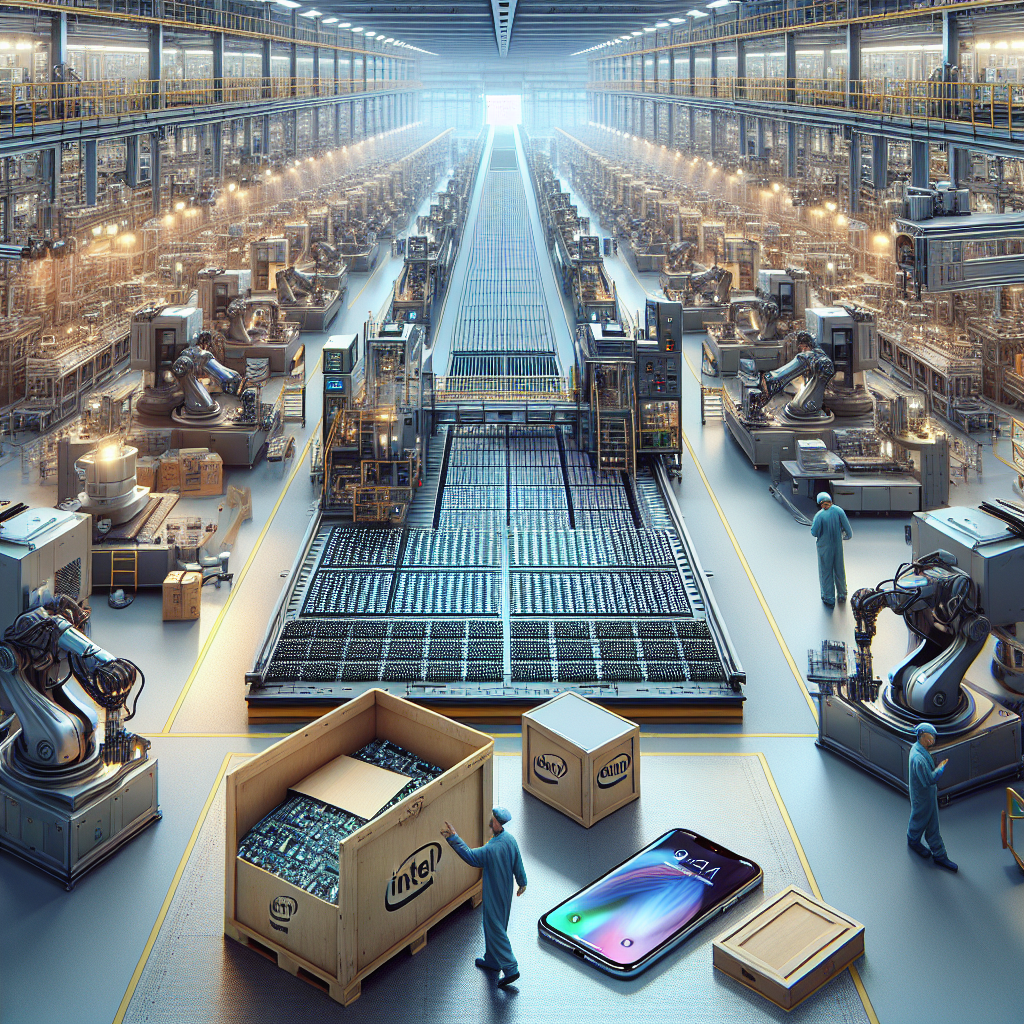
Apple may be preparing to shift part of its silicon production for future iPhone models to Intel, according to a recent report from Startup News FYI titled “Future iPhone Chips Might Be Produced by Intel, Per Report.” The move signals a potentially significant change in Apple’s longstanding reliance on Taiwan Semiconductor Manufacturing Company (TSMC), which has been the exclusive fabricator of Apple’s custom-designed chips in recent years.
The report, citing industry sources familiar with the matter, suggests that Intel has begun developing manufacturing capabilities aimed at producing chips on par with TSMC’s advanced nodes, specifically the 3-nanometer process and beyond. Apple’s transition to in-house silicon, which began with the introduction of its M1 chip for Macs and later expanded to A-series chips powering iPhones and iPads, has positioned the company as a major player in chip design. However, outsourcing fabrication to TSMC has left Apple vulnerable to geopolitical tensions and supply chain disruptions centered in the Asia-Pacific region.
Intel, under CEO Pat Gelsinger, has made revitalization of its fab capabilities a top priority. The American firm has announced billions of dollars in investments aimed at building new semiconductor foundries in the United States and Europe, part of a broader strategy to become a viable alternative to Asian-based chipmakers. Should Apple choose to diversify its supply chain by incorporating Intel’s foundry services, it could represent a major validation of Intel’s manufacturing resurgence and a notable shift in the semiconductor landscape.
While no formal partnership has been confirmed by Apple or Intel, the potential collaboration aligns with Apple’s growing focus on reducing dependency on single suppliers and increasing resilience across its operations. Startup News FYI noted that such a decision would also serve broader national security and economic interests, particularly amid ongoing U.S. efforts to secure domestic semiconductor production.
Any move by Apple to engage Intel for chip production would not likely affect current iPhone generations but could shape the supply chain for devices expected in the latter half of the 2020s. Such an agreement would also underscore the intensifying global competition to dominate cutting-edge chip manufacturing—a sector considered foundational to future innovations in mobile devices, artificial intelligence, and beyond.
Should this development materialize, it would mark a milestone for Intel’s reemergence as a premium chip foundry and reinforce Apple’s strategy of operational agility amid a rapidly evolving technology and political environment.