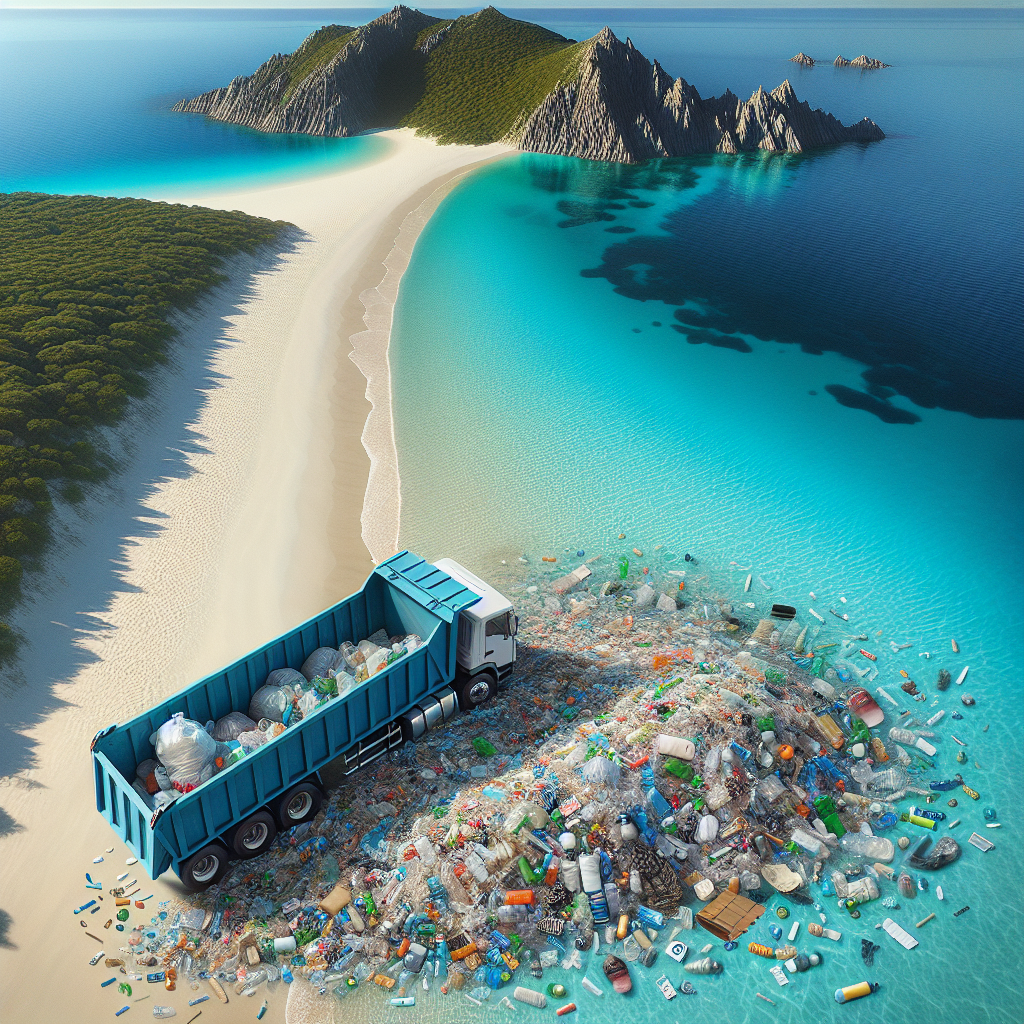
A sobering new analysis points to an alarming escalation in global plastic pollution, warning that by 2040, the planet will see the equivalent of one garbage truck full of plastic dumped into oceans, rivers, and landscapes every single second. The report, originally highlighted in StartupNews.fyi under the headline “We’ll Be Dumping a Garbage Truck of Plastic Every Second by 2040, Report Warns,” indicates that without significant systemic intervention, plastic waste levels will almost triple within the next two decades.
The study, compiled by a consortium of international researchers and environmental analysts, paints a stark picture of the mounting crisis in global waste management. The report examines industrial production trends, waste disposal practices, and population growth patterns to project future waste levels. It concludes that despite growing public concern and scattered policy reforms, most initiatives so far remain insufficient to stem the tide of plastic entering the environment.
According to the analysis, nearly 11 million metric tons of plastic currently leak into the ocean each year. If no meaningful action is taken, this figure could soar to 29 million metric tons annually by 2040. What makes this scenario especially daunting is the durability of plastic itself: much of it can persist in nature for centuries, slowly breaking down into microplastics that contaminate food chains, damage ecosystems, and threaten human health.
Experts point to the proliferation of single-use plastics and underdeveloped waste collection systems, particularly in rapidly urbanizing regions, as central factors in the growing crisis. Yet even in countries with established recycling frameworks, the report notes that only a small fraction of plastic waste ever gets reused, with most ending up in landfills, incinerators, or the ocean.
The researchers behind the study propose a roadmap that includes immediate global reduction in plastic production, investment in innovative materials, improvements in waste collection infrastructure, and the elimination of unnecessary single-use items. According to their model, coordinated global action could reduce plastic leakage by as much as 80 percent over the next two decades.
The urgency of the situation is underscored by recent satellite and on-the-ground studies confirming rising levels of ocean plastic, particularly in equatorial and coastal regions. Marine life has borne the brunt of this pollution, with species from plankton to whales showing signs of ingestion or entanglement. In turn, these pollutants find their way into seafood consumed by humans, raising long-term public health concerns.
The article in StartupNews.fyi emphasizes that while public awareness about plastic pollution has grown significantly in recent years, concrete legislative and corporate action has lagged behind. The report cited in the article warns that without widespread implementation of effective waste-reduction technologies and global policy agreements, even well-meaning reforms will be overwhelmed by the scale of the problem.
Environmental organizations and scientific institutions are calling on governments and multinational corporations to treat plastic pollution with the same seriousness now afforded to climate change. While the two crises are deeply interconnected, the report warns that plastic pollution demands its own distinct path to resolution.
The trajectory laid out is troubling, but not inevitable. The researchers stress that human action—particularly at the policy and industrial levels—remains the decisive factor in whether the world continues down this path of exponential waste, or chooses to reverse course before the damage becomes irreversible.