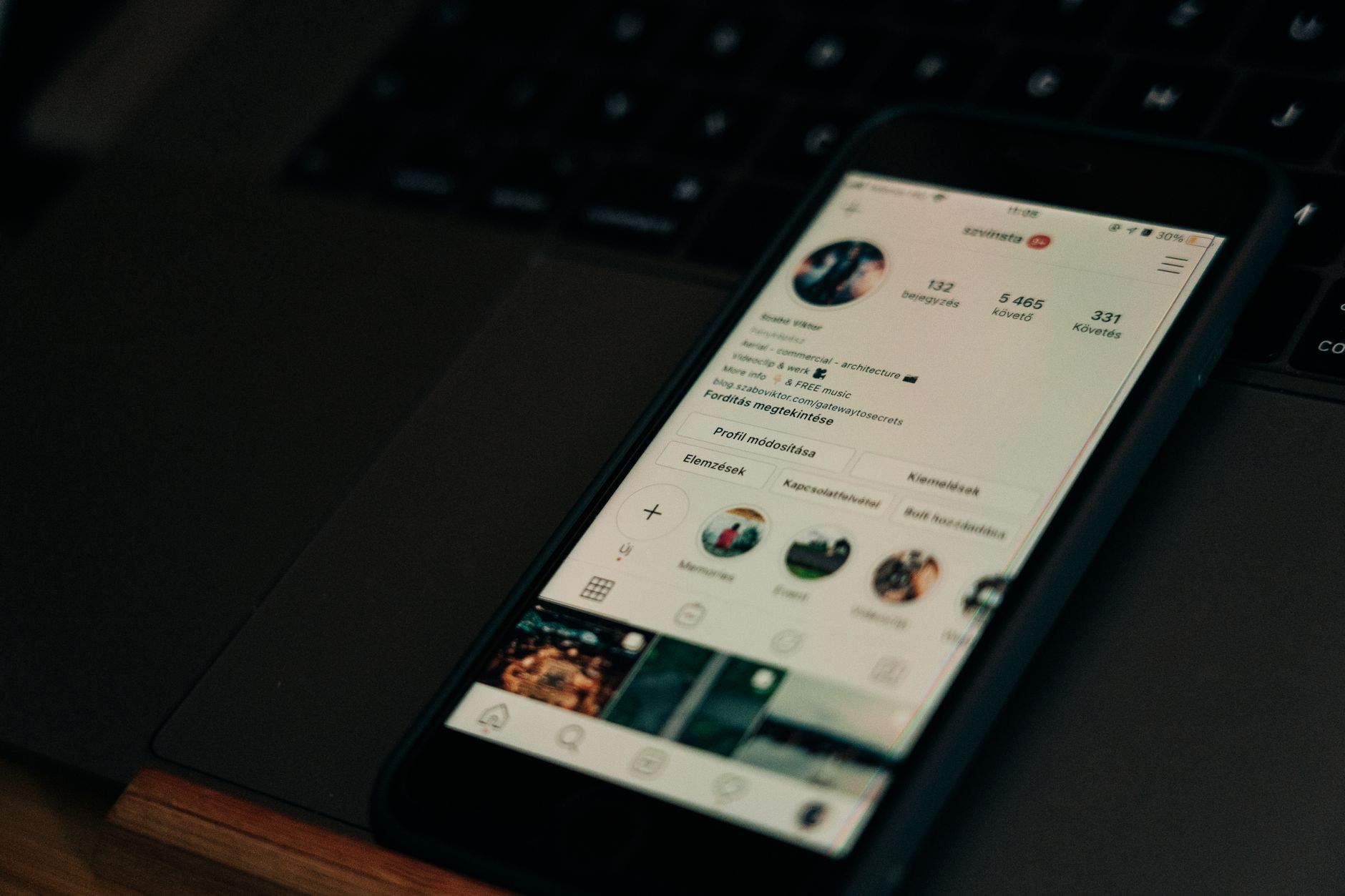
A recent report from The Economic Times titled “Christmas unplugged: Australian teen social media ban brings holiday headspace woes” sheds light on the emotional challenges faced by young Australians in the wake of a state-imposed ban on social media use for minors during school hours. The policy, rolled out earlier this year in several Australian states, aims to curb digital distractions and their potential adverse effects on mental health and academic performance. However, as the holiday season unfolded, the ban’s deeper psychological impacts on teenagers have come into sharper focus.
According to the article, students in Victoria and New South Wales — where the policy has been enforced most stringently — have experienced a complicated shift in their social dynamics and sense of connectedness. With access to platforms like Instagram, TikTok, and Snapchat restricted during school hours, many teens report feelings of alienation and anxiety, particularly during the holiday period when social media traditionally plays a prominent role in fostering peer interaction and celebration.
Mental health professionals are sounding the alarm about the potential unintended consequences of digital disconnection. While there is widespread agreement on the need to combat online bullying, screen addiction, and the academic disruption tied to excessive phone use, experts caution that abrupt and comprehensive bans might exacerbate emotional stress unless coupled with structured support systems. For many teens, online platforms are not just recreational outlets but central to their social identity and emotional regulation.
Government officials have defended the ban, emphasizing the long-term benefits of helping students re-engage with in-person interactions and reduce tech dependency. However, the voices of students and parents collected in the report suggest a more nuanced reality. Some describe increased communication at home and a modest decline in peer pressure, yet others are grappling with fear of social exclusion and a sense of being cut off from formative community spaces.
The article also underscores a broader conversation echoing worldwide: how to navigate the complex landscape of youth and technology, ensuring both psychological wellbeing and developmental freedom. The Australian approach has garnered international attention as educators and policymakers globally wrestle with similar concerns.
As the new academic year looms and the holiday season draws to a close, stakeholders in Australia are watching closely. The coming months will likely test whether the policy can balance its intended benefits against the emotional and social costs young users are voicing — a test that could shape the future of digital regulation in schools far beyond Australia’s borders.