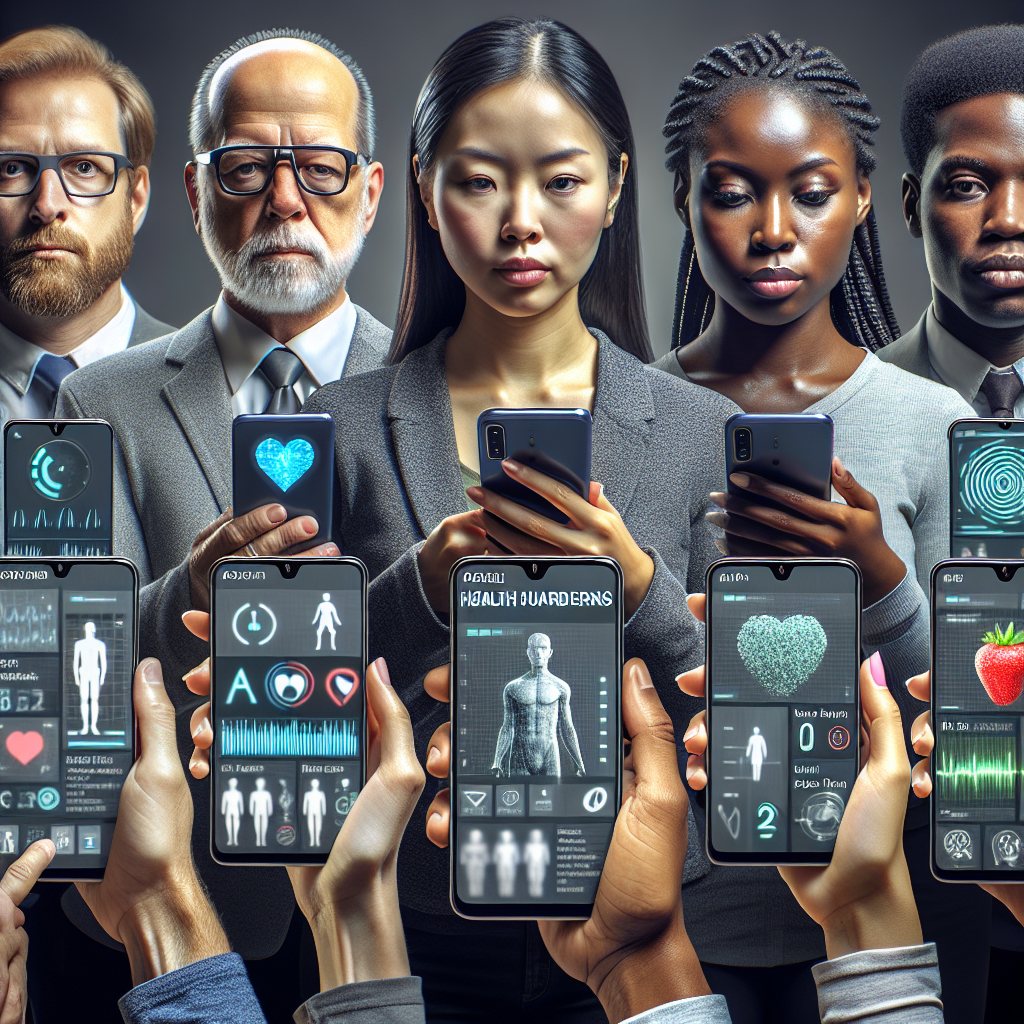
In an era where Artificial Intelligence (AI) permeates every facet of technological advancement, it is no surprise that its integration within health systems around the world is being reimagined. According to a recent report by Calcalist Tech, titled “Soon, your smartphone will know that you’re sick before you do,” there is a growing trend of predictive healthcare where smartphones equipped with AI capabilities play a crucial role in monitoring and managing personal health. This emerging phenomenon could redefine interactions with health systems while prioritizing preventative care.
At the heart of this transformation is AI’s growing sophistication in processing vast amounts of data through sensors embedded in everyday devices. These sensors can track, analyze, and predict health issues based on variables such as heart rate, sleep patterns, physical activity, and more. The ability of smartphones to assimilate real-time health data from wearables and other connected devices is suggesting a shift towards an ecosystem where personal devices not only keep you connected but also keep you healthy.
The implications of such technology are vast and varied. On the individual level, it facilitates a proactive approach to health, potentially notifying users of health irregularities before they develop into more serious conditions. This could substantially reduce emergency room visits and hospitalizations by addressing ailments in their nascent stages.
Moreover, the use of AI in personal health devices could lead to customized health management plans. By analyzing data gathered over time, AI algorithms can suggest personalized diet plans, exercise routines, and medication adjustments. These tailored health plans could significantly improve the quality of life and possibly extend it by preventing disease rather than merely treating it.
From a broader perspective, the integration of AI in healthcare could alleviate some of the load on overburdened health systems worldwide. With AI-powered devices managing routine monitoring and basic diagnostics, healthcare professionals can focus on more complex cases and patient care, thus improving the efficiency and effectiveness of medical services.
However, the rise of AI in health monitoring also raises significant privacy and ethical concerns. The collection and analysis of personal health data necessitate stringent safeguards to prevent misuse or unauthorized access. Therefore, as we advance technologically, the architecture of data security and ethics must evolve concurrently to protect sensitive personal information.
Furthermore, there’s an undeniable risk of economic disparity in access to AI-enabled health technologies. As such innovations often come with high costs, it’s crucial to ensure equitable access to avoid a scenario where only the affluent benefit from the latest advancements in healthcare technology.
As we stand on the brink of a major shift in how personal health is managed, it’s evident that AI-driven tools offer potential benefits that could redefine preventative care and overall health management. However, maximizing these benefits while mitigating risks will require robust regulatory frameworks, continuous technological advancements, and unwavering ethical vigilance. As this technology continues to evolve, it will undoubtedly be interesting to see how it is adopted and adapted across different regions and cultures around the globe.