A bipartisan group of U.S. senators has launched an investigation into the role artificial intelligence data centers may be playing in contributing to higher electricity costs throughout the country, according to a report titled “Senators Investigate Role of A.I. Data Centers in Rising Electricity Costs” published by StartupNews.fyi.
The inquiry comes amid rapidly growing energy demands from A.I. infrastructure, particularly as large language models and other compute-heavy systems proliferate across industries. Citing concerns from utility commissions and consumer advocacy groups, lawmakers are seeking detailed information on the energy consumption patterns of these facilities and their broader impact on power grids and utility rates.
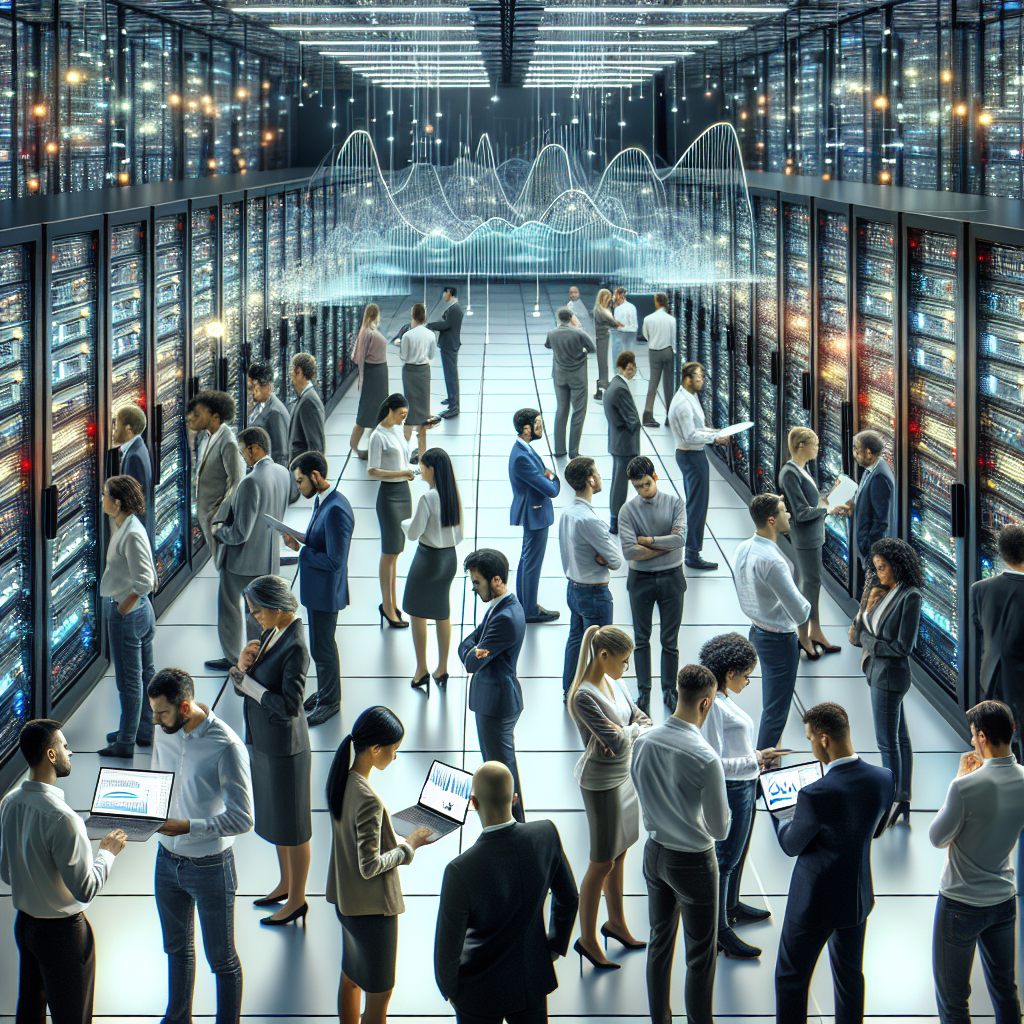
Senators involved in the probe have reportedly requested data from major A.I. companies, cloud service providers, and power utilities to assess how much electricity is being consumed and whether local energy costs are being distorted as a result. They are also examining whether regulatory frameworks have kept pace with the rapid deployment of data centers, many of which now require the energy equivalent of small cities to operate.
According to the report by StartupNews.fyi, early findings suggest that in some regions, especially in parts of the South and Midwest, the arrival of large-scale A.I. data centers has coincided with marked increases in both wholesale and retail electricity prices. These trends have raised alarms about the long-term sustainability of energy use in the tech sector and about whether residential and small business consumers may ultimately bear the financial burden.
Energy experts note that while advances in energy efficiency and renewable power integration have helped mitigate some of the load, A.I.’s exponential computational demands could outpace those gains. This is especially true as machine learning models grow larger and more companies deploy them across mission-critical functions at scale.
Environmental advocates and economists warn that without clearer standards or incentives for clean energy usage, the expansion of A.I. infrastructure risks deepening strain on aging electrical systems and undermining national decarbonization goals. At the same time, industry representatives argue that A.I. technologies drive innovation and economic growth, and that sustainable practices are becoming a larger part of their operational planning.
Lawmakers are weighing legislative options, including the possibility of requiring greater transparency on energy usage from tech companies and encouraging site selection strategies that align data center projects with regions capable of integrating renewable sources or supporting grid resilience.
The Senate probe reflects a growing awareness in Washington that the digital transformation and the transition to clean energy are not always seamlessly aligned. As the technological and environmental dimensions of these shifts intersect, policymakers appear increasingly focused on ensuring the infrastructure of the future is both innovative and sustainable.