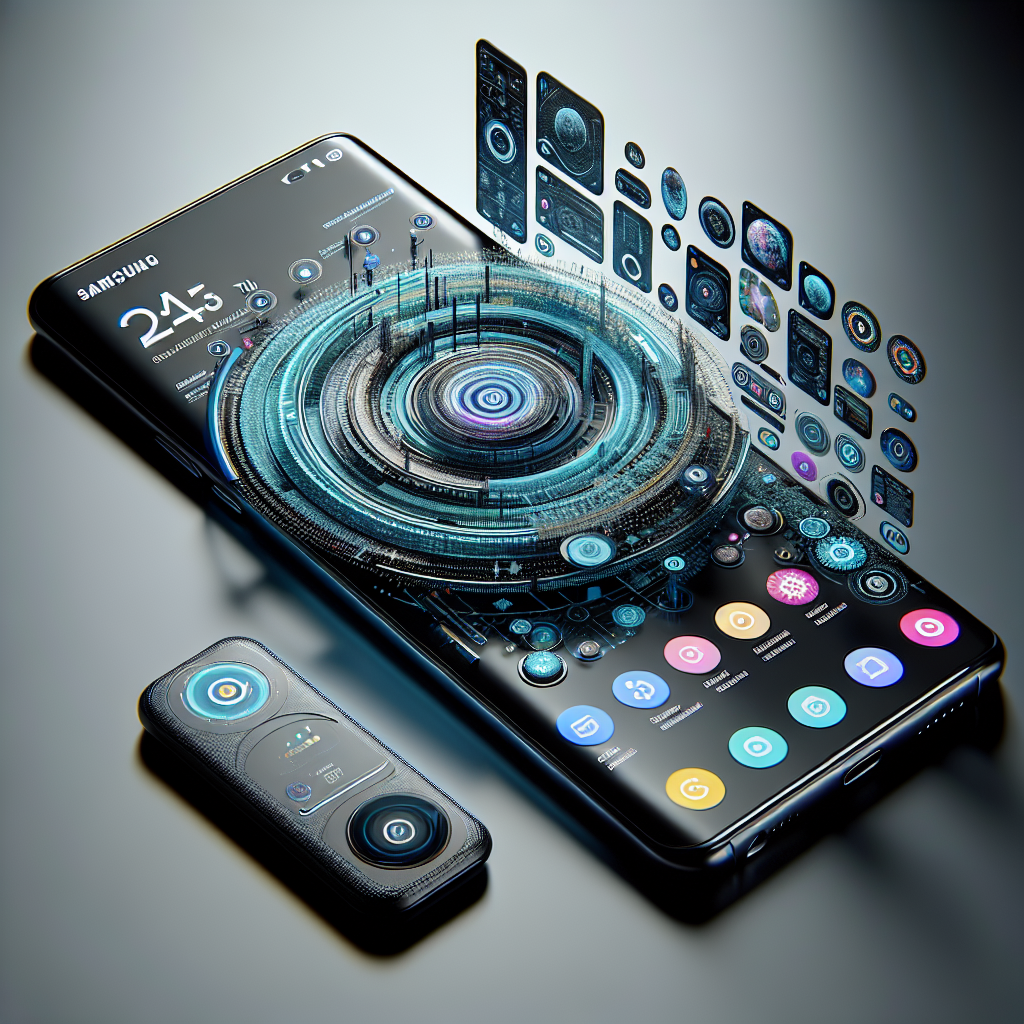
Samsung Electronics has introduced a sweeping set of customization enhancements for its Galaxy smartphone line, marking a notable shift in its approach to user personalization. According to a recent report titled “Samsung Just Gave Galaxy Phones a Major Customization Upgrade” published by Startup News FYI, the company’s latest update dramatically expands the ways in which users can tailor the appearance and functionality of their devices.
The overhaul centers around a new expansion of Samsung’s One UI interface—version 7.0—which brings a host of features designed to provide deeper control over system aesthetics and user interactions. Key among the updates are advanced lock screen widgets, fully customizable color palettes, and refined theming capabilities that synchronize across applications, icons, and system menus. These features build on Samsung’s previous personalization efforts but push significantly further into areas traditionally associated with specialized Android skins or third-party launchers.
At the core of the customization upgrade is an emphasis on device individuality without sacrificing performance or user experience. Users can now create bespoke routines that alter wallpapers, system sounds, and notification behaviors based on time of day, location, or user activity. Beyond mere visual adjustments, the update also introduces more extensive control over animations, gesture responses, and app launch behaviors.
This development places Samsung among a growing number of Android manufacturers reemphasizing user personalization as a competitive differentiator. While Google’s Material You framework has influenced the broader Android ecosystem, Samsung appears determined to chart its own path, layering proprietary design language and functionality on top of the open-source base. The company’s efforts suggest a resurgence of interest in user-defined experiences, an area that had receded in recent years in favor of minimalist design uniformity.
The timing of the rollout also aligns with Samsung’s broader strategy to solidify user loyalty in a maturing smartphone market. As hardware innovations plateau, software fluidity and personal connection with devices have come to represent a critical frontier. This latest upgrade is likely aimed not only at existing Galaxy users but also at potential defectors from other Android ecosystems where such granular control remains limited or absent.
The company has begun deploying the One UI 7.0 update to recently released flagship models, including the Galaxy S24 series, with plans to extend compatibility to a wider range of devices in early 2026. Early feedback from beta testers suggests the update arrives with a polished interface and minimal performance drawbacks, a critical factor for adoption given the technical risks historically associated with deep customization features.
In reasserting its position at the forefront of Android software innovation, Samsung is signaling a renewed commitment to user-centric design. As the global smartphone market continues to evolve, these customization enhancements may prove instrumental in strengthening the company’s foothold and differentiating the Galaxy brand in a field where software experience increasingly defines user loyalty.