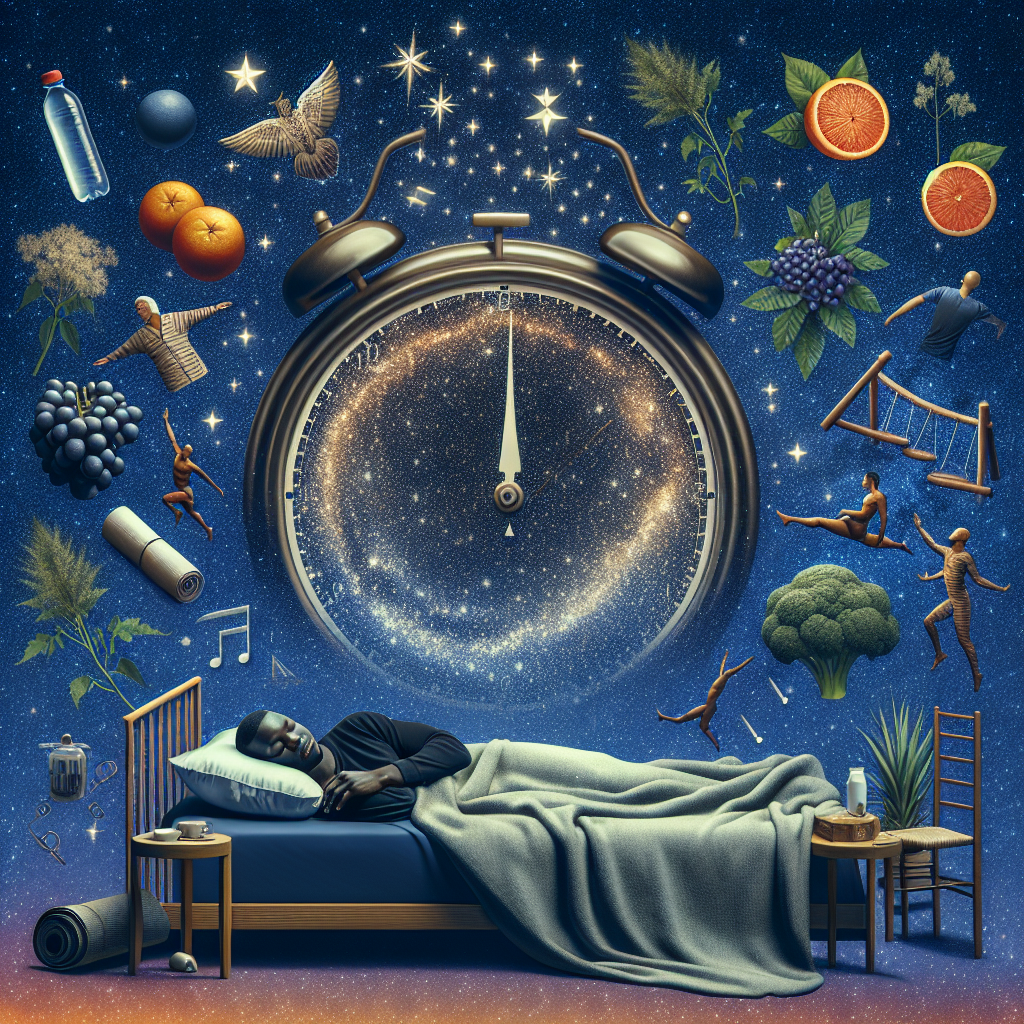
As the new year begins, health experts are urging the public to reconsider their resolutions and prioritize a frequently overlooked cornerstone of well-being: sleep. According to a recent article titled “Sleep Experts: This Is the One New Year’s Resolution Worth Keeping,” published by Startup News FYI, improving sleep quality may be the single most impactful commitment individuals can make for their mental, physical, and emotional health in 2026.
The report draws on insights from leading sleep researchers and clinicians who argue that sleep underpins nearly every aspect of personal health. Dr. Rebecca Caldwell, a clinical sleep specialist cited in the article, emphasizes that insufficient or poor-quality sleep is closely linked to a range of chronic conditions, including cardiovascular disease, metabolic disorders, and mental health challenges such as anxiety and depression.
The Startup News FYI article highlights a growing consensus in the medical community: that the societal undervaluing of sleep has reached a critical point. With roughly one-third of Americans routinely getting less than the recommended seven hours of nightly rest, the long-term implications for public health are profound. Experts warn that without intervention, the effects of systemic sleep deprivation could rival those of other long-acknowledged health crises, such as obesity and smoking.
What distinguishes the current advocacy for better sleep is its practical emphasis. Rather than proposing radical changes, sleep professionals recommend modest, evidence-based steps to recalibrate daily routines. These include setting consistent bedtimes, limiting screen exposure before sleep, and creating environments conducive to rest. These strategies, the article notes, are both accessible and cost-effective—qualities that make them particularly relevant as Americans navigate economic uncertainty and overloaded schedules.
Importantly, researchers stress that sleep is not merely a passive state but an active biological process vital for cognitive processing, immune function, and emotional regulation. Forgoing sleep dilutes productivity, impairs decision-making, and erodes mood stability. By contrast, achieving adequate, high-quality sleep has demonstrated improvements in learning retention, workplace performance, and interpersonal relationships.
Even within the start-up and entrepreneurial sectors—audiences often celebrated for round-the-clock hustle—there seems to be a shifting attitude. The Startup News FYI piece notes that some tech founders and productivity influencers now openly champion rest as a competitive advantage rather than a weakness or indulgence.
As the new year unfolds, the message from leading sleep experts is increasingly clear: among myriad resolutions, prioritizing sleep is a foundational act of self-care with scientifically proven ripple effects. In a culture that often values overt productivity over subtler aspects of health, this approach represents not just individual renewal—but, potentially, a recalibration of national well-being.