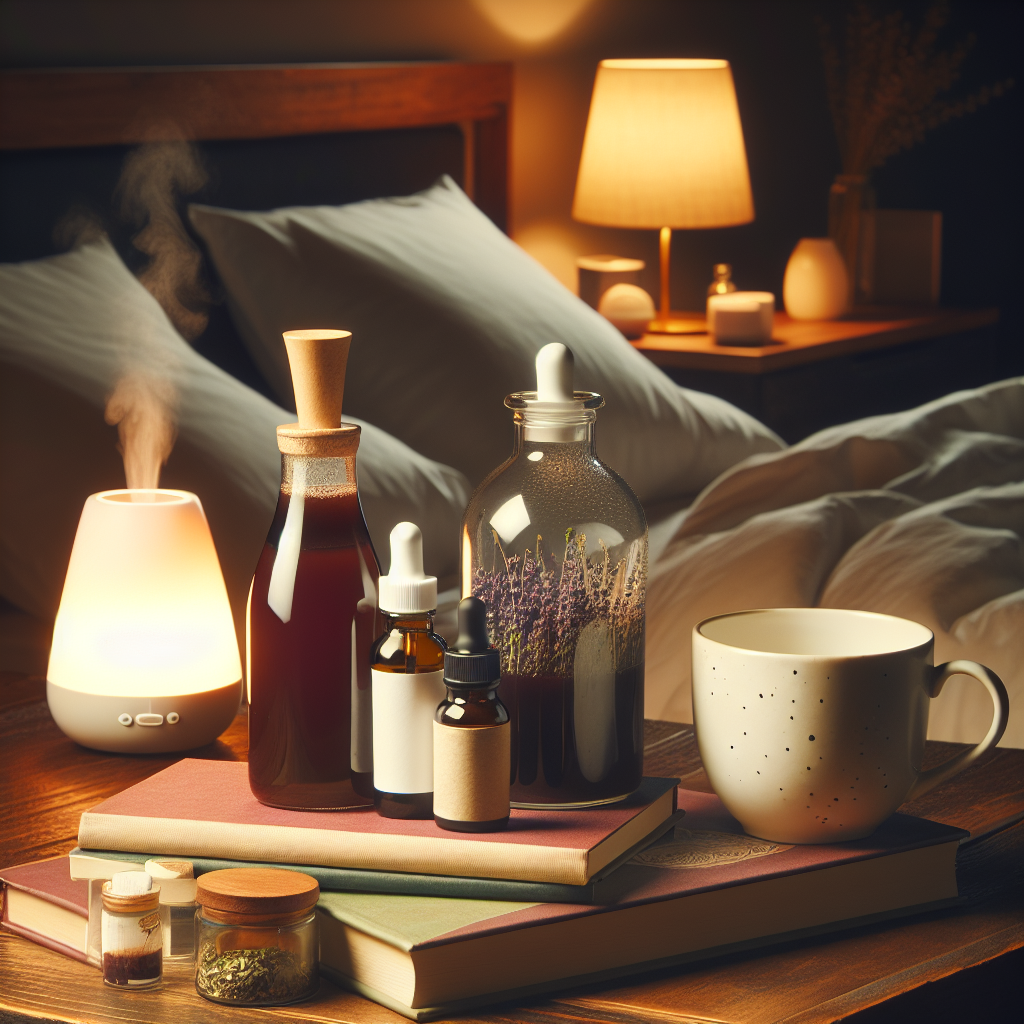
A growing body of research suggests that targeted beverages may play a significant role in improving sleep quality—an insight now being embraced by wellness startups and consumers alike. In a recent feature titled “Warm Milk Not Cutting It? Give Your Sleep a Glow-Up With These Science-Backed Sips,” published by Startup News FYI, the publication highlights a new class of sleep-promoting drinks that are gaining momentum in the functional beverage market. As the demand for effective and natural sleep aids increases, entrepreneurs and scientists are collaborating to develop drinks that claim to offer more than just comfort—they promise results backed by data.
The article outlines how traditional remedies like warm milk are being replaced with concoctions containing ingredients such as magnesium, L-theanine, and adaptogenic herbs, which have shown potential to support circadian rhythms and lower stress levels. These sleep-enhancing beverages often come in powdered or ready-to-drink formats and are positioned as part of a broader nighttime wellness ritual, nestled among other growing wellness trends that emphasize holistic and non-pharmaceutical solutions.
Research from institutions like the National Institutes of Health has indicated that components like L-theanine—an amino acid found in green tea—may improve relaxation and reduce anxiety without inducing drowsiness. Magnesium, long known for its muscular and neurological benefits, is included in many of these new drinks for its calming effects on the nervous system. Manufacturers are capitalizing on such findings to formulate bedtime beverages marketed as both effective and enjoyable, with flavors leaning toward comforting profiles such as chamomile, honey, and vanilla.
Startup News FYI notes that several early-stage companies have already made significant headway in this space, securing seed funding and retail partnerships to bring their sleep-supporting blends to market. Their business models reflect a shift in consumer priorities, especially among younger demographics, who are increasingly skeptical of over-the-counter pharmaceuticals and prioritize wellness-oriented lifestyle choices.
However, while the trend is supported by preliminary scientific backing, experts caution that consumers should manage expectations. Dr. Emily Hawthorne, a neuroscientist specializing in sleep research at the University of California, comments that while these ingredients are promising, “durable results typically require behavior change in tandem with any supplemental aid.” She adds that ingredients like L-theanine and magnesium are less about inducing sleep and more about creating an environment in the body and brain that is conducive to rest.
The new wave of functional sleep beverages is also part of a broader reevaluation of how people approach sleep in modern life. Technology, stress, and disrupted routines continue to erode natural sleep cycles, prompting a retreat into rituals and habits that offer psychological reassurance as much as physiological benefit.
As the market for wellness drinks expands—estimated to hit tens of billions in global value over the next few years—sleep-specific formulas are expected to become a staple offering. Whether this marks a substantive solution or simply the latest iteration of a self-care trend remains to be seen. Still, as the line between nutrition, medicine, and lifestyle continues to blur, what people drink before bed could become as important a decision as what they eat during the day.