In an era dominated by sleek, touchscreen smartphones, one startup is making a surprising bet on physical keyboards. As reported in the recent article “The Clicks BlackBerry-like Phone Keyboard Finally Makes Sense” published by Startup News FYI, newcomer Clicks Technology aims to revive the tactile typing experience with a bold iPhone accessory that evokes the days of BlackBerry dominance.
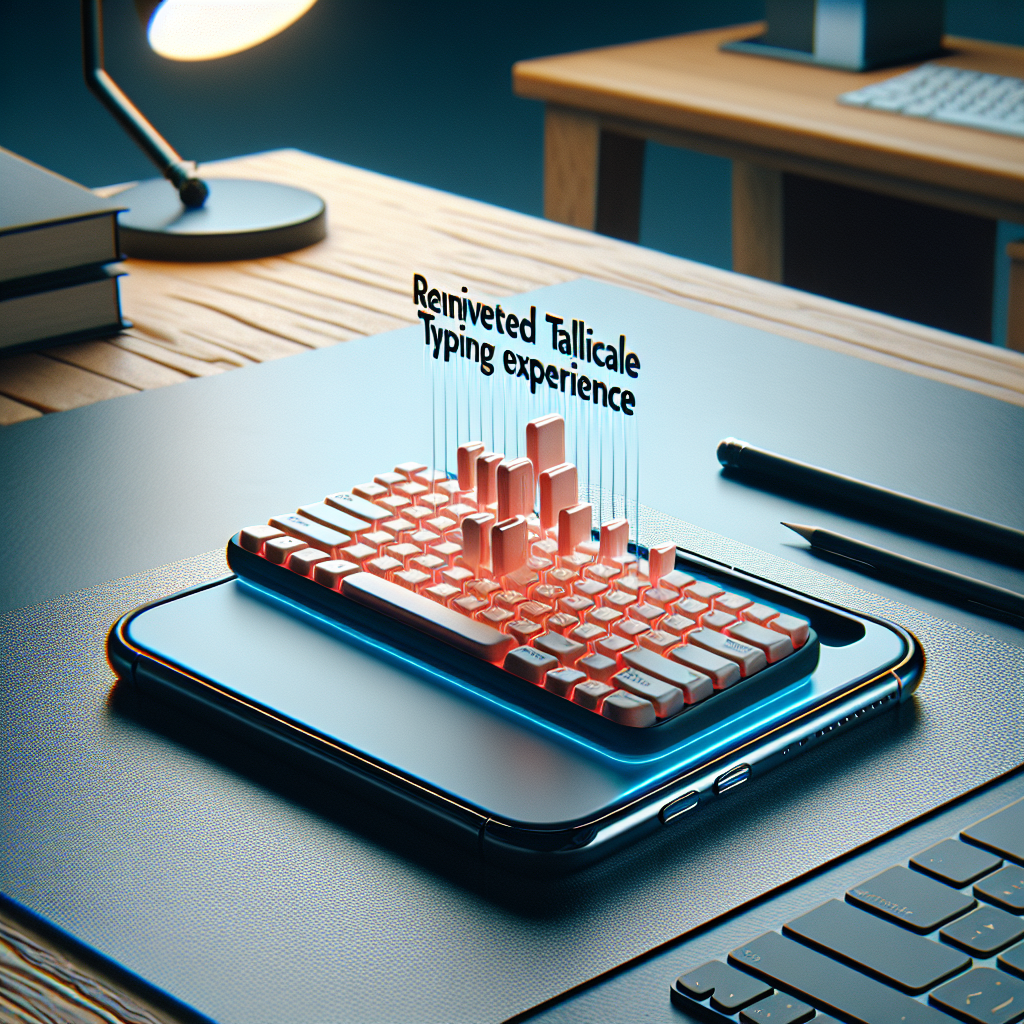
Clicks has developed a snap-on keyboard case designed to attach to the bottom of modern iPhones, offering users a familiar QWERTY layout with physical keys. According to Startup News FYI, the device integrates seamlessly with Apple’s hardware, functioning as a plug-and-play extension to the existing mobile interface. The keyboard relies on direct connection to the smartphone’s Lightning or USB-C port, which allows it to sidestep Bluetooth latency and improve battery efficiency.
While previous attempts to reincorporate physical keyboards into smartphone design have largely failed to gain traction, Clicks makes a compelling case for a different outcome. The accessory provides full access to the screen, unlike earlier models that forced users to choose between typing functionality and display space. With the screen pushed slightly upward to accommodate the keyboard below, the company suggests that users will, paradoxically, view more of their content by removing the on-screen keyboard from the equation.
Clicks is targeting productivity-focused users, journalists, and longtime BlackBerry loyalists—audiences that may still crave the speed and precision of physical typing. Yet the device also appears to position itself as a statement accessory, embracing a retro-futurist aesthetic at a time when tech minimalism dominates consumer hardware.
The article notes the case’s compatibility with both iOS and third-party software, offering shortcut functionality and app navigation options previously unavailable through virtual keyboards. This software integration could be critical to its appeal, transforming the keyboard from a nostalgic novelty into a modern productivity tool.
Whether Clicks can carve out a sustainable niche in today’s saturated mobile accessory market remains uncertain. The company faces skepticism in resurrecting a technology many consider outdated. However, the clarity of purpose behind the product, as outlined in the Startup News FYI piece, suggests that Clicks is not merely chasing nostalgia—it may be offering a practical alternative for users frustrated by touchscreen limitations.
As the product moves from concept to market, reception will ultimately be shaped by both performance and perception. But for now, Clicks has managed to do something rare in mobile technology: make an old idea feel intriguingly new.