As demand for digital services continues to skyrocket, major technology firms are racing to build expansive new networks of data centers. But as detailed in a recent article titled “Big Tech’s Fast-Expanding Plans for Data Centers Are Running Into Stiff Community Opposition,” published by Startup News FYI, these efforts are increasingly clashing with local communities raising environmental and social concerns.
Data centers — the physical infrastructure behind cloud computing, artificial intelligence, and social media — represent a pivotal investment for tech companies seeking to remain competitive. According to the report, industry giants such as Amazon, Google, and Microsoft are accelerating the construction of such facilities across the United States, fueled by rapidly growing demand for storage and processing power. However, the scale and speed of this build-out are drawing heightened scrutiny from residents and local governments.
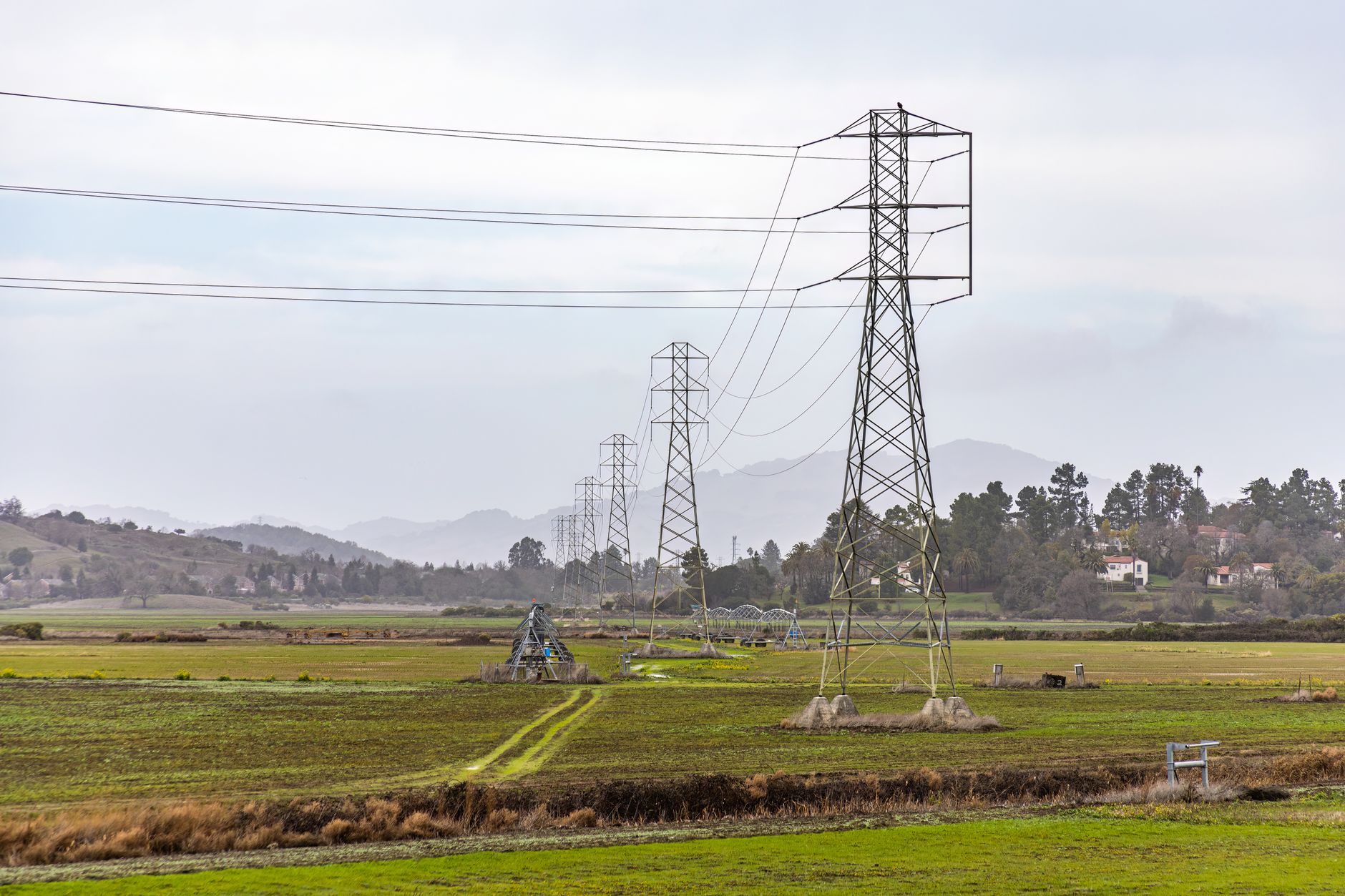
Key concerns cited include the environmental footprint of these centers, which consume vast amounts of electricity and water. Many of the new projects are being proposed in semi-rural or even agricultural areas, where land is more affordable and permitting processes can be faster. Local activists argue that these projects impose hidden costs, including strain on water supplies, increased traffic, noise pollution, and in some cases, the displacement of existing rural communities or green space.
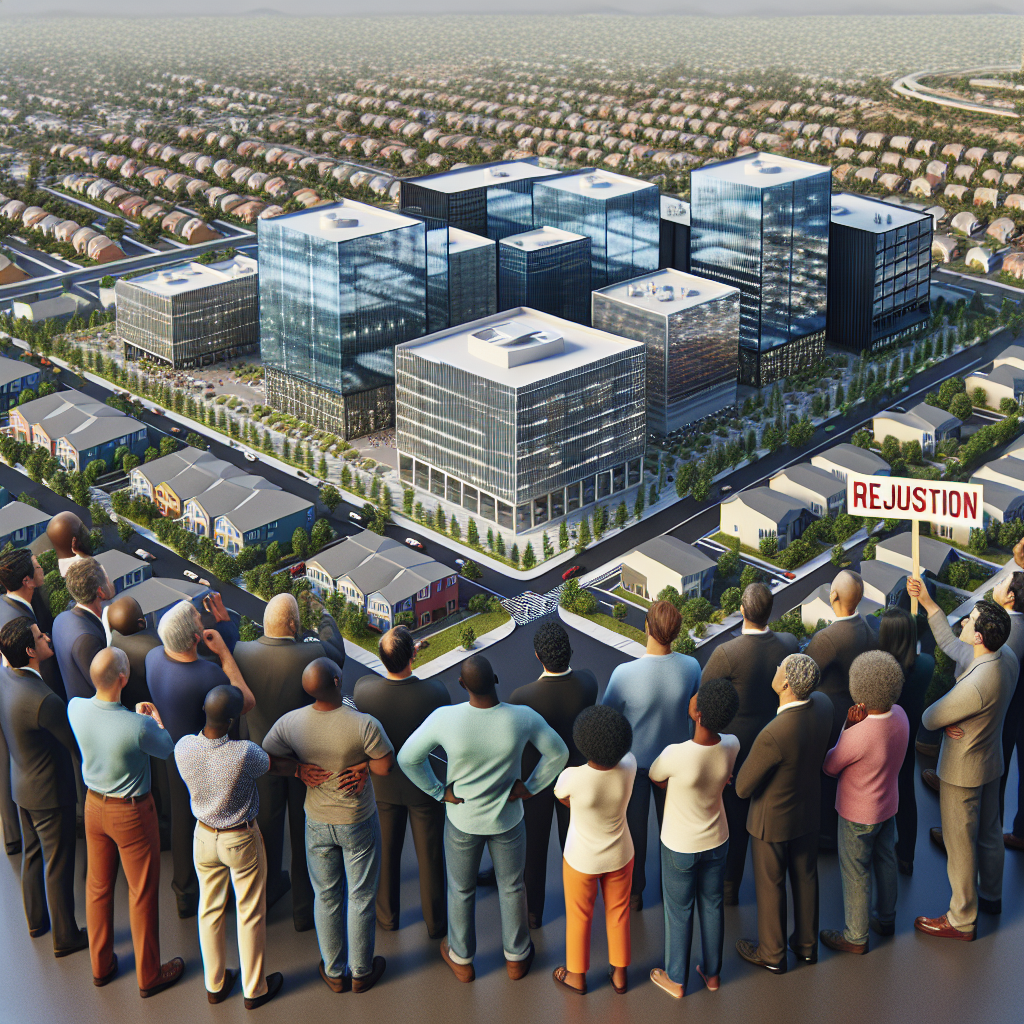
The article from Startup News FYI highlights efforts by community organizations that are now mobilizing against some of these proposed developments. In Loudoun County, Virginia — often nicknamed “Data Center Alley” for its concentration of such facilities — residents have called for a moratorium on new projects amid concerns about overburdened electrical infrastructure and declining air quality. Similar resistance is emerging in regions of Oregon, Iowa, and Georgia, where residents question whether the perceived economic benefits justify the long-term impacts on the local environment.
Adding to the friction is the perceived secrecy with which some of these deals are struck. In several cases, tax incentives and zoning changes have been approved with limited public debate, prompting accusations that community voices are being sidelined in favor of corporate interests. Officials who support the facilities often argue that they bring job creation and economic development, but critics counter that data centers typically offer far fewer permanent jobs than hoped and disproportionately benefit the corporations themselves.
Analysts note that while the need for more data infrastructure is not likely to diminish, Big Tech’s relationship with local communities may play a defining role in how — and where — that infrastructure gets built. Balancing the demands of digital innovation with the concerns of affected neighborhoods will remain a key challenge in the years ahead.
The tension between technological progress and local accountability underscores a growing public discourse on how the digital economy reshapes physical spaces. As the Startup News FYI article illustrates, the decisions made today about data center expansion may have lasting consequences on land use, environmental policy, and public trust.