Apple’s newest system update, iOS 26.2, introduces a trio of customization features aimed at giving users deeper control over the look and feel of their devices. According to a report titled “iOS 26.2 Adds Three New Ways to Customize Your iPhone” published by Startup News FYI, the update reflects growing consumer interest in personalization tools and Apple’s continued shift toward giving users more flexibility within its traditionally closed ecosystem.
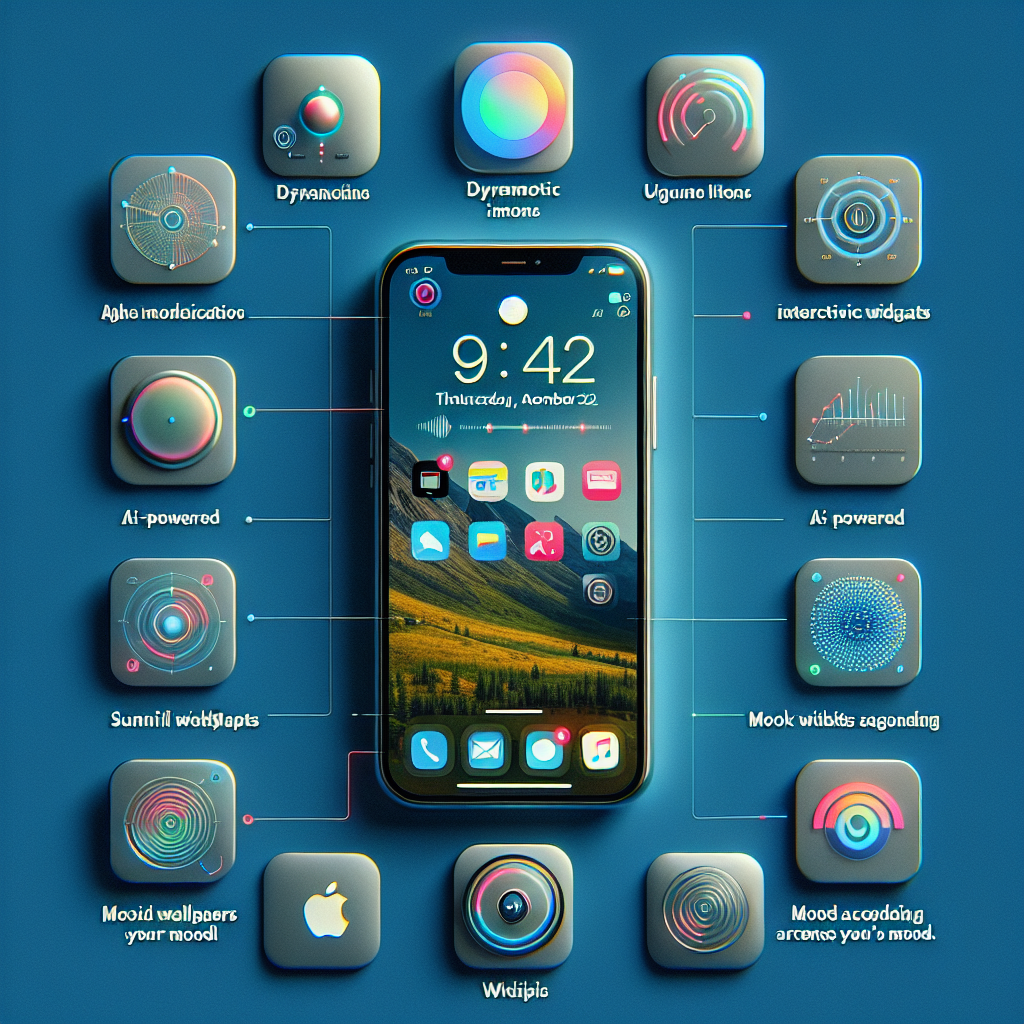
One of the most anticipated additions is support for dynamic icon theming, a feature that allows users to change the appearance of app icons without relying on third-party workarounds or shortcuts. This brings Apple closer to the kind of interface customization that has long been available on Android devices, while still retaining its hallmark design coherence and system stability. Developers will now be able to offer alternative icon packs integrated into their apps, further broadening the personalization landscape for iOS users.
The second major feature in iOS 26.2 is an expanded lock screen framework. Building on the custom lock screen templates introduced in earlier versions, Apple now enables interactive widgets that can respond to real-time data. This enhances functionality for weather updates, calendar events, and third-party apps, effectively turning the lock screen into a glanceable dashboard for essential information. The move underscores Apple’s continued focus on improving at-a-glance usability without compromising security or battery performance.
Rounding out the update is a new “Mood Wallpapers” feature, which uses machine learning to recommend wallpaper options based on contextual factors such as time of day, location, and recent activity. Though seemingly minor, the inclusion signals Apple’s commitment to embedding artificial intelligence into daily device interactions in subtle but user-centric ways. The system’s ability to draw on behavioral patterns to adapt visual elements marks a soft step toward more adaptive UI frameworks.
iOS 26.2 arrives amid growing competition in the user experience space, where companies are differentiating as much by design and personal gratification as by raw computing performance. With these new features, Apple appears to be placing greater emphasis on aesthetically personalized and emotionally responsive device environments, potentially increasing user attachment and satisfaction.
While still maintaining the polish and predictability Apple’s ecosystem is known for, the update reflects a careful negotiation between customization and coherence. As more users seek devices that adapt to their preferences while protecting reliability and privacy, Apple’s latest enhancements suggest a deliberate effort to meet those expectations without compromising on its core principles.