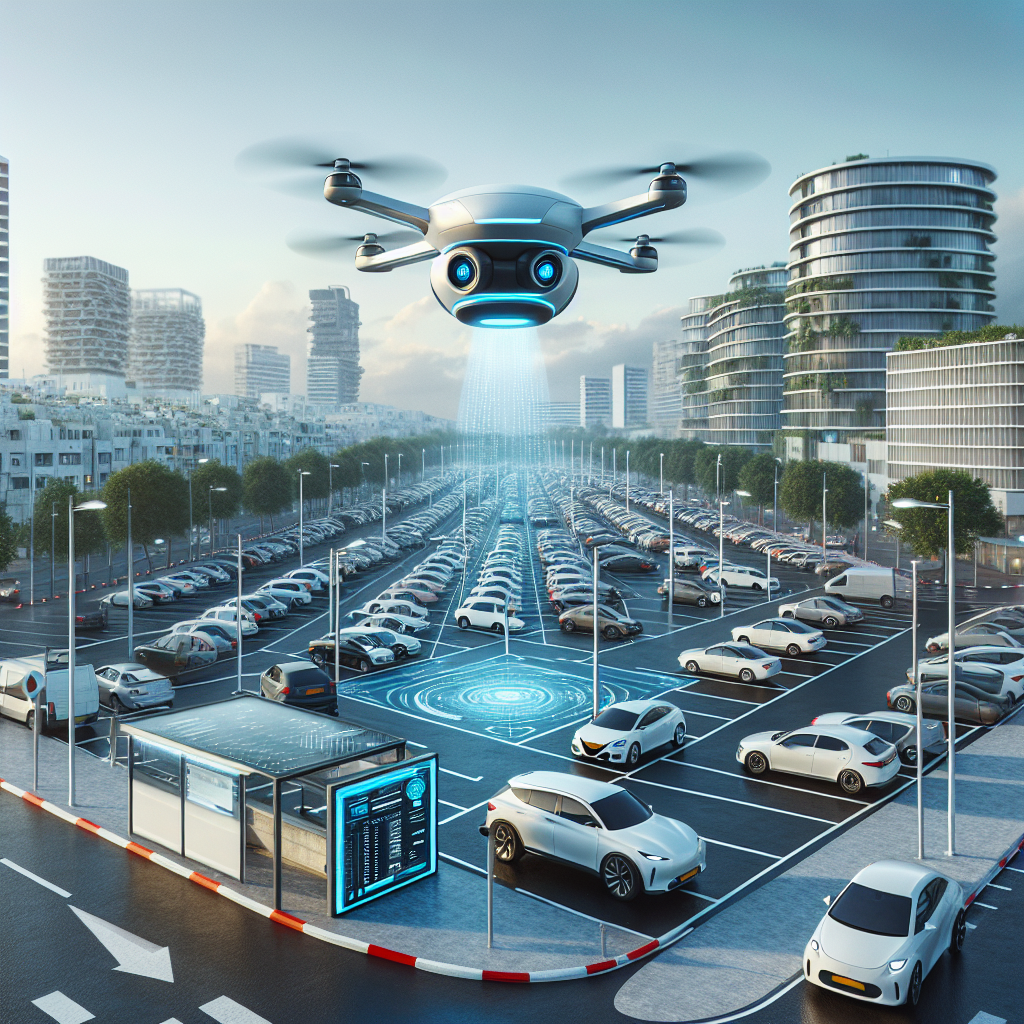
In a significant stride towards integrating cutting-edge technology into urban management, Tel Aviv has announced plans to initiate a pilot program deploying artificial intelligence (AI) to improve the efficiency of parking enforcement. This innovative initiative underscores the city’s commitment to embracing modern solutions to address traditional urban challenges.
The pilot project, set to be launched during the upcoming fiscal quarter, involves AI technology that will assist in identifying vehicles parked illegally in the city. The system utilizes advanced algorithms that analyze real-time data from cameras and sensors stationed throughout Tel Aviv. This approach not only aims to streamline the process of spotting infractions but also promises to refine the overall management of urban space, a perennial issue for the bustling city.
One of the foremost goals of the program, city officials assert, is to significantly reduce the time spent by municipal inspectors on routine patrols, thereby reallocating valuable human resources to more critical areas of urban management. In reducing reliance on physical monitoring, the city anticipates an increase in enforcement efficiency and a reduction in operational costs.
Critics, however, raise concerns regarding privacy and the potential for increased surveillance. They caution that the implementation of such technology should be accompanied by strict guidelines to protect citizens’ privacy and ensure that data collection is limited to strictly what is necessary for enforcing parking regulations.
Furthermore, the introduction of AI in this capacity prompts a broader discussion about the implications for employment. There is an underlying anxiety that automation could eventually lead to job displacement within traditional roles such as traffic monitoring and enforcement officials.
Despite these concerns, proponents argue that the AI system will bring about a more disciplined and orderly urban environment, potentially easing traffic congestion and contributing to a more navigable city. Additionally, the reduced need for human enforcement may lead to a redeployment of municipal employees to roles that require more complex decision-making capabilities, thereby potentially enhancing their career paths rather than restricting them.
The city is planning a careful rollout of this pilot program, with an evaluative phase designed to assess not just the technology’s effectiveness but also its acceptance among the public and its impact on the community. The outcome of this pilot could very well decide how broadly the technology will be employed not only in Tel Aviv but in other cities facing similar challenges.
As noted in the source article, “Tel Aviv Tests AI in Parking Law Enforcement,” published on Calcalist Tech, this initiative is part of an ongoing trend where municipalities worldwide are looking to technology to solve efficiency issues in urban management. Whether AI becomes a standard tool in this arena will largely depend on the results from these early tests and the consequent public and professional reaction to its broader implications.