In a significant development in the autonomous vehicle industry, Tesla has announced its latest stride with the release of the Full Self-Driving (FSD) Beta software, marking a potentially pivotal advancement in the realm of self-driving cars. The news, recently covered in the article “Tesla releases Full Self-Driving Beta software in the U.S.,” by Calcalistech.com, heralds a promising yet cautious step forward in autonomous driving technology.
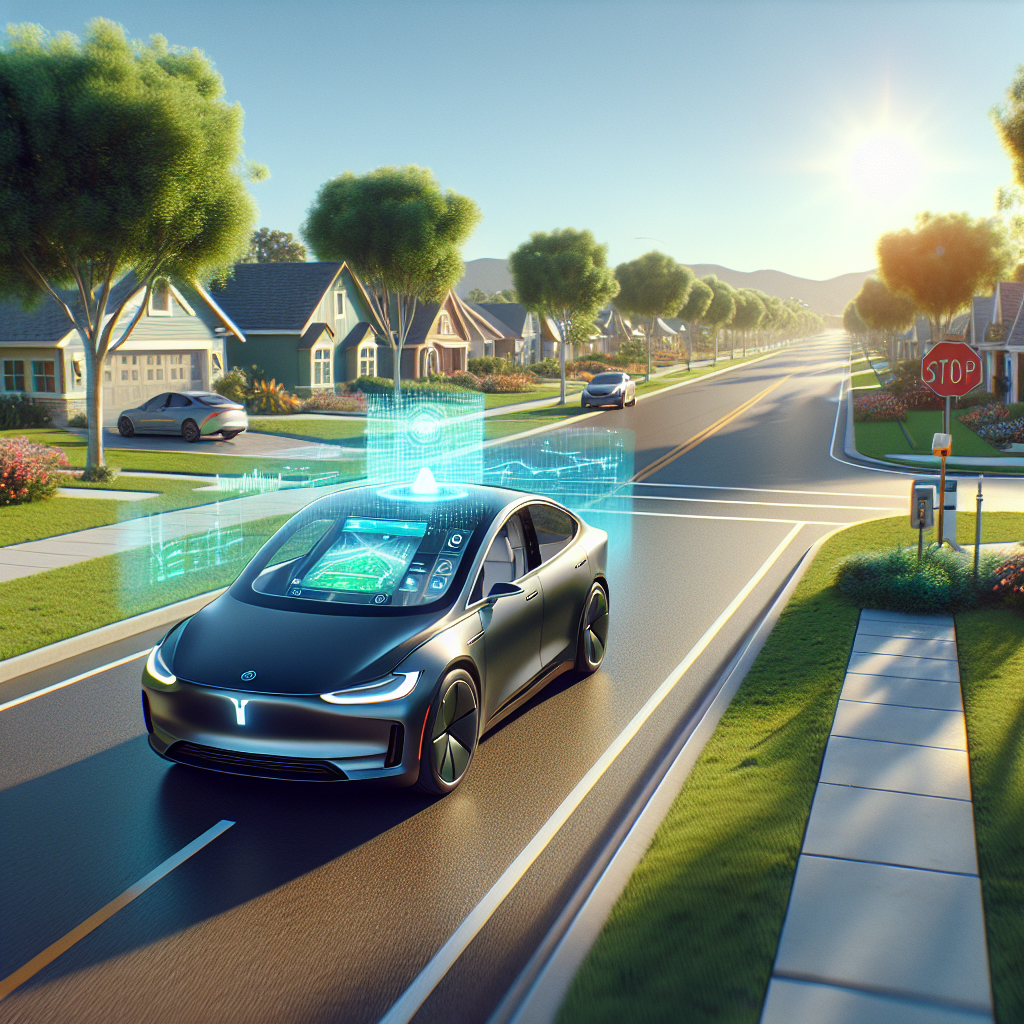
The FSD Beta software, intricately designed to enhance the self-driving capabilities of Tesla cars, allows the vehicles to undertake a vast array of driving operations, significantly reducing the necessity for human intervention. Despite its name, it is crucial to note that the software does not render Tesla vehicles fully autonomous, as human supervision remains imperative.
Tesla’s bold move is not without its risks. The transition towards fully autonomous driving has been punctuated by both regulatory and safety concerns. Critics and safety advocates are wary of the complications and potential dangers linked to this nascent technology, especially in light of previous incidents involving preliminary versions of driver-assistance software. Furthermore, regulatory bodies continue to scrutinize the safety measures and reliability of autonomous technologies, posing a thorough but necessary hurdle toward large-scale adoption.
Nonetheless, industry advocates argue that autonomous vehicles can significantly mitigate traffic accidents, predominantly those stemming from human error, highlighting the transformative implications of this technology on road safety. The gradual improvement and deployment of autonomous driving systems, such as Tesla’s FSD Beta, are expected to play critical roles in this ongoing transformation.
Of particular note are the implications for urban planning and environmental impacts. Theoretically, a rise in autonomous vehicles could lead to better traffic flow, lower emissions, and significantly altered urban environments, with changes to everything from parking lot designs to road layouts.
Tesla’s announcement coincides with a broader industry trend where major technology and automotive companies are heavily investing in autonomous driving. Names like Alphabet’s Waymo, Uber, and General Motors through its subsidiary Cruise, are all in the race to refine this revolutionary technology.
The release of Tesla’s FSD Beta in the U.S. poses a significant step not only for the company but for the entire automotive industry. It underlines the continuous evolutionary march of technology towards a more automated future, albeit punctuated by vital discussions around ethics, safety, and the human element in the realm of artificial intelligence.
As the technology evolves, so too will the legislative and ethical landscapes, necessitating ongoing dialogue among manufacturers, policymakers, and the public. The ultimate test for autonomous vehicles will be their ability to integrate seamlessly and safely into daily life, an objective that is as much a technological challenge as it is a societal one. As Tesla rolls out its latest software, the industry watches on, hopeful and cautious in equal measure, about the roadmap ahead.