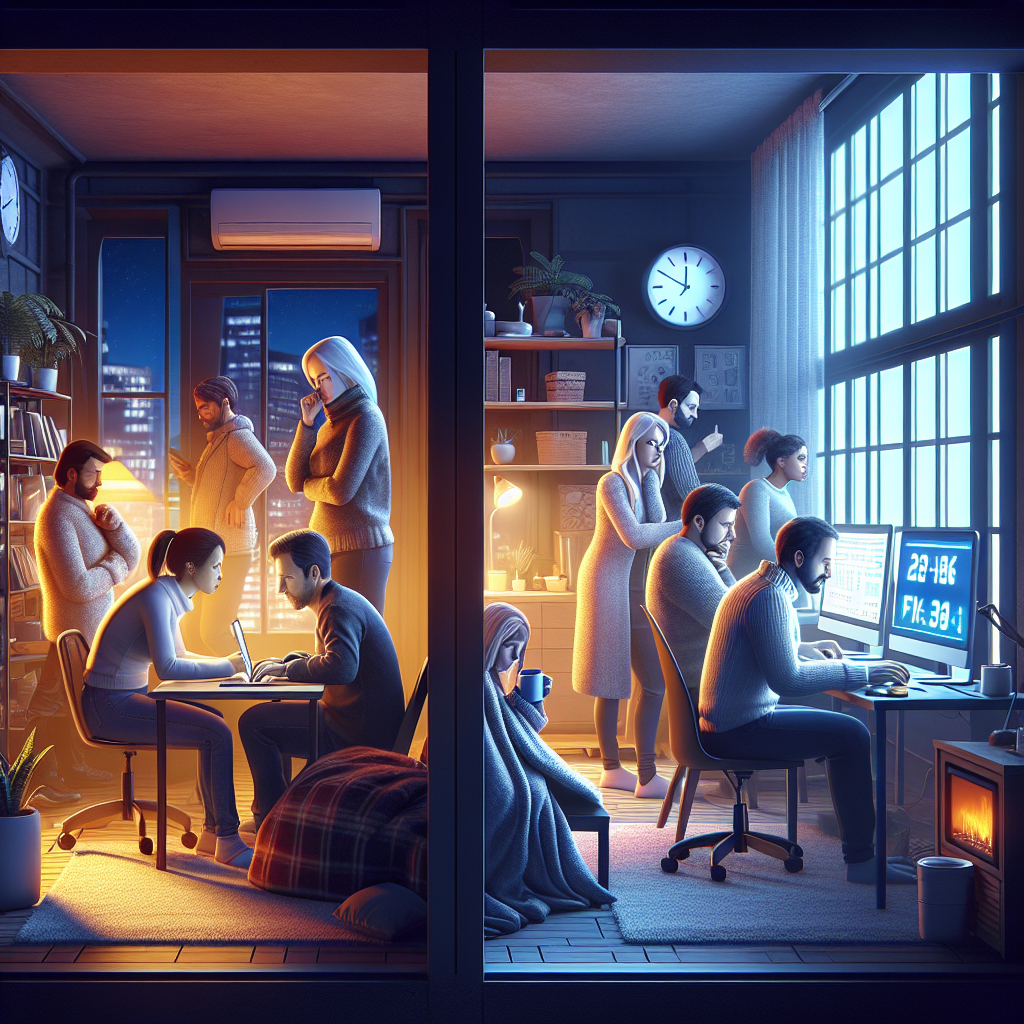
As the winter season deepens across much of the northern hemisphere, a growing number of remote workers are reporting difficulties with sleep — a trend that may stem from more than just seasonal melancholy. According to a recent article titled “Doctor Reveals Why Remote Workers Are Struggling to Sleep This Winter—Plus 3 Simple Fixes,” published by Startup News FYI, the culprit lies in a combination of disrupted daily routines, lack of natural light exposure, and increased screen time — a trifecta exacerbated by remote work arrangements.
Citing insights from medical professionals, the article highlights how the transition to remote work, compounded by shorter winter days, can significantly impact circadian rhythms. The body’s internal clock relies heavily on external cues like natural sunlight to regulate sleep-wake cycles. For those working from home in dimly lit rooms with erratic schedules, this biological mechanism can fall out of sync, leading to insomnia or non-restorative rest.
Dr. Sarah Westcott, a sleep medicine specialist referenced in the article, notes that remote workers are especially vulnerable because they often lack the structured morning routines that traditionally involve commuting and outdoor exposure. “Without that exposure to daylight early in the day, the body doesn’t produce melatonin — the hormone responsible for sleep — at the appropriate time,” she explains.
The article also outlines three evidence-based strategies to mitigate these issues. First, ensuring at least 20 to 30 minutes of morning light exposure—either through natural sunlight or specialized light therapy lamps—can help recalibrate the body’s internal clock. Second, establishing consistent wake and sleep times, even on weekends, reinforces healthy sleep patterns. Finally, minimizing screen time, particularly in the evening hours, helps reduce blue light exposure, which has been shown to interfere with melatonin production.
These recommendations align with broader findings in the field of sleep science. Studies have long suggested that regular exposure to daylight and adherence to consistent routines are critical to maintaining healthy sleep hygiene. Yet for many remote workers, the convenience of working from home may be inadvertently sabotaging their rest.
The post-pandemic shift to flexible work has brought notable benefits, but its unintended consequences—like sleep disturbances—are increasingly attracting the attention of health professionals. As employers and employees alike evaluate the long-term sustainability of remote work, improving sleep hygiene may prove to be an essential component of workforce well-being.
In the end, experts suggest that awareness and minor lifestyle adjustments may be all that’s needed to restore balance. As winter continues and remote work becomes increasingly normalized, taking deliberate steps toward healthier routines may help reverse the seasonal slide into sleeplessness.