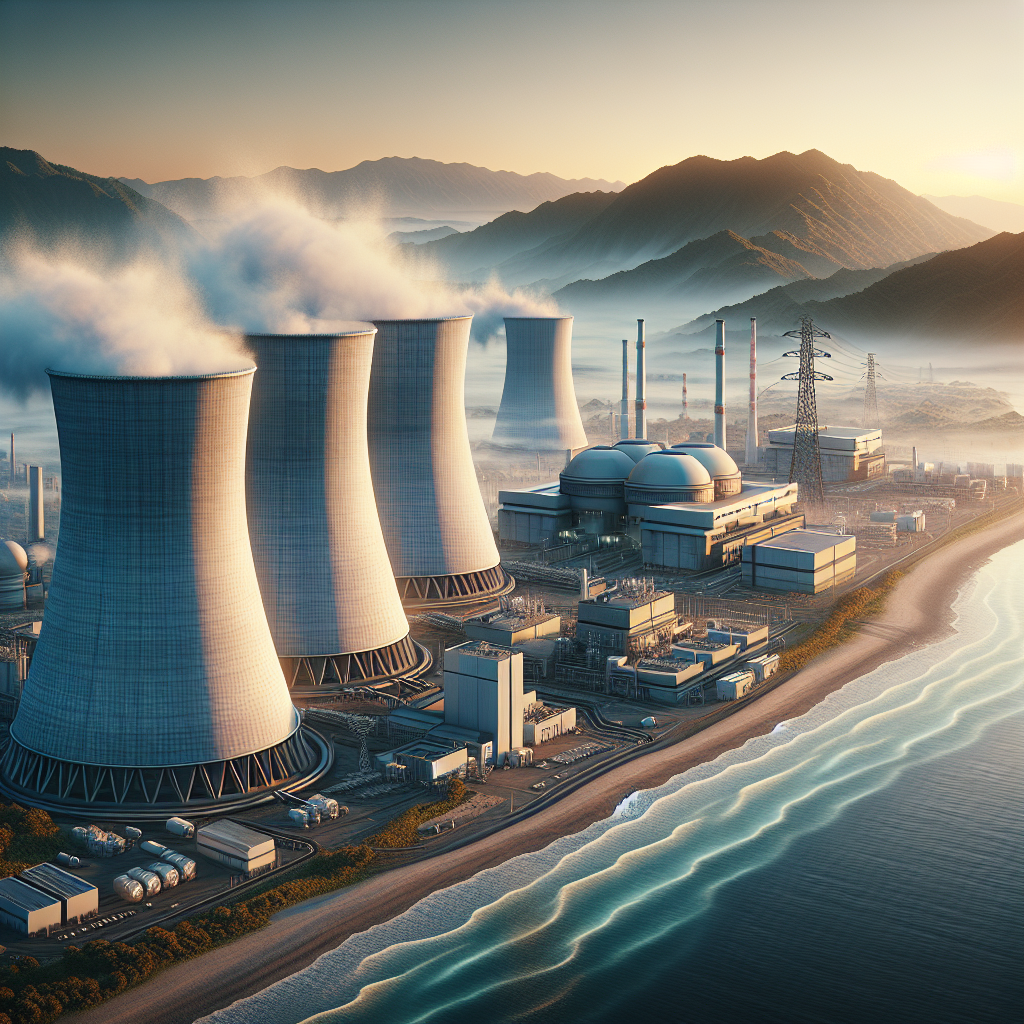
Japan has restarted operations at the Kashiwazaki-Kariwa nuclear power plant, the world’s largest nuclear facility, drawing both cautious optimism and renewed scrutiny over nuclear safety concerns. According to a report titled “Japan Restarts World’s Largest Nuclear Plant as Fukushima Memories Loom Large,” published by StartupNews.fyi, the decision marks a significant moment in the country’s evolving energy strategy, more than a decade after the devastating Fukushima Daiichi disaster in 2011.
The move reflects Japan’s urgent drive to bolster energy security amid global supply chain disruptions and rising fossil fuel costs. Prime Minister Fumio Kishida’s government has emphasized the importance of reactivating nuclear power as part of a broader effort to reduce carbon emissions and enhance domestic energy production. Japan, resource-constrained and energy-dependent, has struggled in recent years to balance its environmental commitments with the need for reliable power in the face of geopolitical and market volatility.
Operated by Tokyo Electric Power Company (TEPCO), the Kashiwazaki-Kariwa facility in Niigata Prefecture has faced stringent regulatory scrutiny and fierce public opposition since the 2011 meltdown at the Fukushima plant, also managed by TEPCO. The Fukushima disaster remains deeply etched in the national consciousness, having led to the evacuation of over 150,000 people and triggering widespread distrust in nuclear oversight.
While TEPCO has worked for years to meet enhanced safety standards set by Japan’s Nuclear Regulation Authority (NRA), including seismic reinforcements and improved emergency protection systems, critics question whether the company—and the government—has fully regained the public’s trust. Concerns intensified after TEPCO was barred from operating any nuclear plants in 2021 due to deficient security protocols, an order that was only lifted after extensive corrective measures.
The reactivation of the Kashiwazaki-Kariwa plant signals a renewed willingness to reembrace nuclear energy, which, before 2011, accounted for about 30 percent of Japan’s electricity supply. That figure plummeted in the immediate fallout of the crisis, leaving Japan dependent on imported coal, natural gas, and oil. With climate goals looming and energy costs climbing, policymakers appear increasingly inclined to reverse that decline.
Still, the restart has been met with reservations. Local authorities and civic groups in Niigata have voiced apprehensions about safety, transparency, and emergency preparedness. Environmental advocates warn that reliance on nuclear energy, regardless of upgraded safeguards, could distract from long-term investments in renewable technologies.
As Japan navigates these complex issues, the relaunch of the Kashiwazaki-Kariwa plant stands as a test of the country’s ability to reconcile energy ambitions with the lived trauma of its nuclear past. The decision underscores the Kishida administration’s doubling down on nuclear technologies while confronting a fragile equilibrium between public sentiment, global pressure, and domestic energy needs.