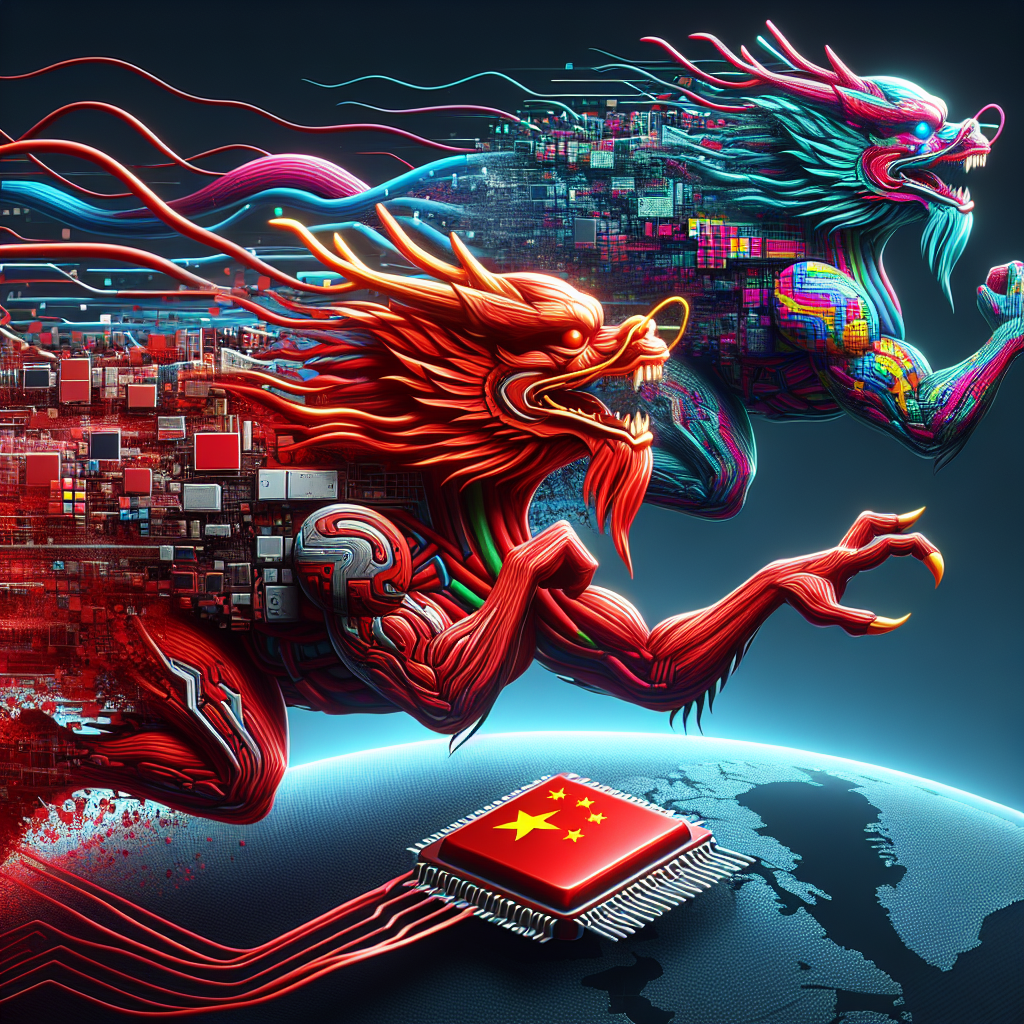
TEL AVIV – In a significant shift in the geopolitical landscape of cyber warfare, a new report detailed how China manipulates semiconductor supply chains with a variety of tactics, raising international concerns about the broader implications for global tech stability and security.
The original report, titled “The Chip War – China’s Multifaceted Effort to Pass Israel,” published on Calcalist, outlines a comprehensive strategy employed by China that includes systematic investments in technology, leveraging of diplomatic ties, and possible infiltration and surveillance activities. This strategy aims to help China navigate and eventually dominate the semiconductor industry—a crucial battleground given the critical role such components play in everything from consumer electronics to advanced military systems.
The considerable focus of Chinese endeavors signals growing competiveness in the global semiconductor market, long dominated by the United States, South Korea, and Taiwan, with Israel being distinguished in cutting-edge semiconductor research and development. Experts cited in the report argue that China’s efforts are multifaceted, extending beyond mere commercial competition to involve national security dimensions.
The report elaborates on Beijing’s use of a dual strategy that integrates investments and collaboration with potential espionage and technology theft. Such tactics pose a dilemma for countries possessing advanced semiconductor technology like Israel. On one hand, foreign investment from a global power can produce considerable economic benefits and technological advancements; however, on the other, this openness can risk technology leaks and breaches of security.
China’s intensifying focus on semiconductors aligns with the broader state strategy outlined in their “Made in China 2025” industrial master plan, which specifically identifies technology independence as a core national priority. For the semiconductor industry, this plan entails reducing dependency on foreign chips and boosting domestic production capabilities, which currently lag behind in some of the most advanced technologies.
Alarmingly, the report also raises the issue of China’s geopolitical methods that can potentially co-opt countries into unwilling technological exchanges through politicized trade agreements or economic pressures. This underscores the intricate intertwining of economics and national security in the technology field and paints a complex picture of geopolitical maneuvering beneath the surface of market competitions.
International response has varied, with the U.S. increasing restrictions on China’s ability to purchase and use American technology in semiconductor manufacture—a move that likely exacerbates tensions but is seen as necessary to protect U.S. national security and technological edge.
As the global demand for advanced semiconductors increases, driven by innovations such as 5G, artificial intelligence, and the Internet of Things (IoT), the dynamics delineated in this report are expected to influence international trade policies and national security strategies for many countries involved.
Nations like Israel find themselves at the nexus of an intricate web of economic potential and security hazards. This delicate balance will determine their approach in either safeguarding their technological sovereignties or engaging in broader, multinational semiconductor alliances.
This evolving scenario lays down not only immediate technological and economic challenges but also broader strategic complications for international relations and national safety. As the stakes continue to rise, the semiconductor industry may very well dictate the terms of power in our increasingly digital future.