As the boundaries between human creativity and machine intelligence continue to blur, a recent article published by Artificial Intelligence News titled “Supercool Review: Evaluating the Reality of Autonomous Creation” delves into the evolving role of AI in the creative arts. The piece explores the narrative and technical implications of the new documentary “Supercool,” which attempts to examine whether machines can truly be regarded as autonomous creators.
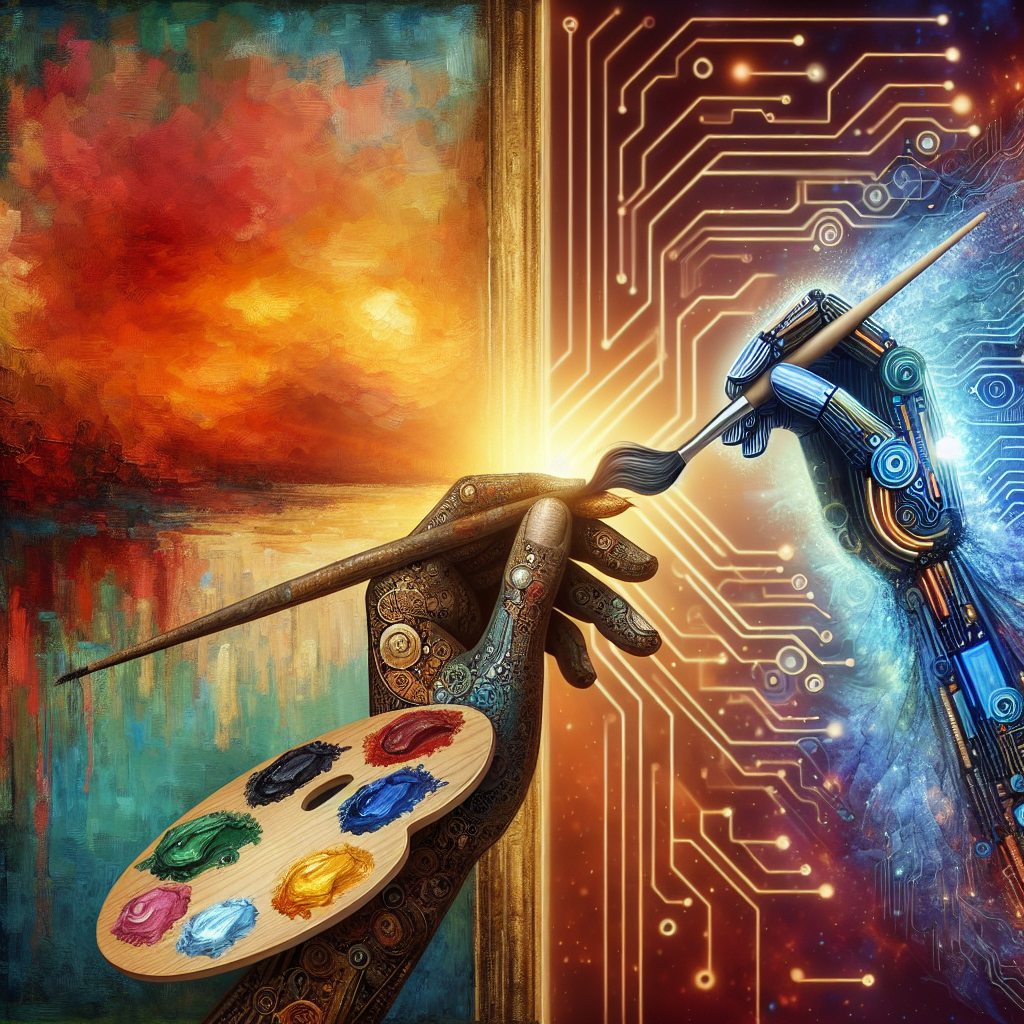
At the center of the documentary is an examination of emerging generative AI tools—technologies that can produce art, music, text, and even video content with minimal human oversight. These systems, often powered by complex neural networks trained on vast datasets, are raising fundamental questions about authorship, originality, and the nature of artistic intent. The film, as described in the review, blends interviews with technologists and artists with striking AI-generated visuals, highlighting both the promise and contention surrounding autonomous creation.
The article from Artificial Intelligence News notes that while “Supercool” offers a visually arresting exploration, it stops short of offering definitive answers. Instead, it presents a nuanced portrayal of a technological landscape still in flux. As AI continues to grow in sophistication, key ethical and philosophical concerns remain unresolved. Among them: Can a machine without consciousness or emotion genuinely create art, or is it merely mimicking patterns learned from human-made works?
The review suggests that the documentary is less about reaching conclusions than it is about provoking critical dialogue. It challenges viewers to consider whether creativity is an exclusively human domain or a set of processes that can be emulated computationally. Importantly, it raises the issue of agency—whether AI systems should be credited as creators when they are ultimately designed, trained, and deployed by humans.
Critics of autonomous creation often point to the risk of diminishing the value of human labor and expression. As the article outlines, artists and writers are already grappling with the influx of AI-generated content, some viewing it as a collaborative tool and others perceiving it as a threat to artistic livelihoods. Advocates, however, argue that AI can democratize creativity, offering new forms of expression to individuals who may lack traditional skills or training.
“Supercool,” and the discussion it has fostered, reflects broader societal tensions around automation and authorship. As AI becomes more integrated into creative workflows—from film production to music composition—the question of who, or what, qualifies as a creator will only become more pressing.
The article from Artificial Intelligence News ultimately commends “Supercool” for tackling these challenging topics with intellectual rigor, even as it acknowledges the limitations inherent in documenting an industry undergoing rapid transformation. As AI continues to challenge preconceptions about creativity, works like “Supercool” serve as timely platforms for discourse, urging both the public and policymakers to engage thoughtfully with the implications of autonomous creation.