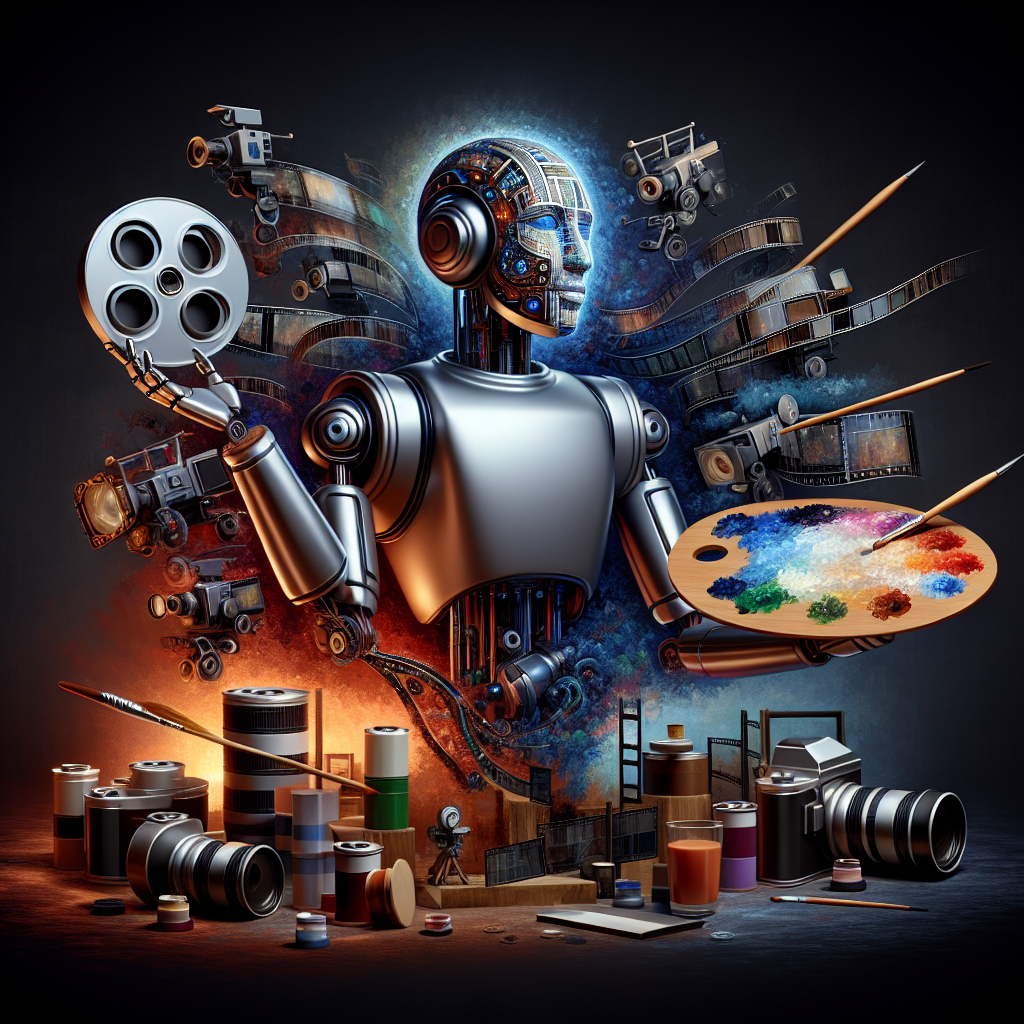
The advent of artificial intelligence is reshaping numerous facets of modern life, and cinema is no exception. As detailed in the article “AI quietly rewriting grammar of cinema” published by The Economic Times, the film industry is increasingly leveraging AI technologies to innovate both in front of and behind the camera. This shift is altering the traditional paradigms of filmmaking, making room for new creative processes and efficiencies.
Artificial intelligence is progressively being integrated into various stages of film production, from pre-production to post-production. Screenwriters are employing AI-powered tools to develop scripts that can analyze vast datasets of successful films, offering suggestions for plot development, character arcs, and dialogue. This technological aid allows for enhanced creativity while also potentially reducing the time and effort required to produce compelling scripts.
During the production phase, filmmakers are exploring AI-driven technologies for creating visual effects that would be prohibitively expensive or time-consuming with traditional methods. Sophisticated software can now generate incredibly realistic CGI, enhancing the visual narrative of films without inflating budgets. Moreover, AI is being used to optimize shooting schedules and resource allocation, making production processes more efficient.
In post-production, AI tools are employed for editing, allowing filmmakers to sift through hours of raw footage to identify the best takes or suggest scene sequencing. These applications do not only streamline the editing process but also open avenues for creative expression through innovative techniques previously unexplored. Audio enhancement technology, including automated dubbing and sound design, further demonstrates AI’s growing role in the cinematic landscape.
Despite these advancements, the integration of AI in cinema is not without controversy or challenges. Concerns about the loss of human touch in storytelling and the potential for homogenization of film content persist. Critics argue that an over-reliance on data-driven analytics might stifle originality, leading to formulaic narratives that prioritize commercial success over artistic exploration.
Moreover, the ethical implications of AI in the creative industries cannot be overlooked. Questions around intellectual property, the rights of AI-generated content, and the potential displacement of human jobs in the film industry are topics of ongoing debate. Ensuring a balance between technological innovation and the protection of human artistic contribution is crucial as the industry moves forward.
As AI continues to evolve, its role in cinema is likely to expand, offering filmmakers new tools to explore their art while challenging the conventional boundaries of creativity. This technological transformation invites a nuanced discussion about the future of filmmaking, demanding that both industry leaders and audiences consider how best to integrate these advancements while preserving the essence of cinematic storytelling. Such discourse will be vital in navigating the complex interplay between tradition and innovation in the evolving world of cinema.