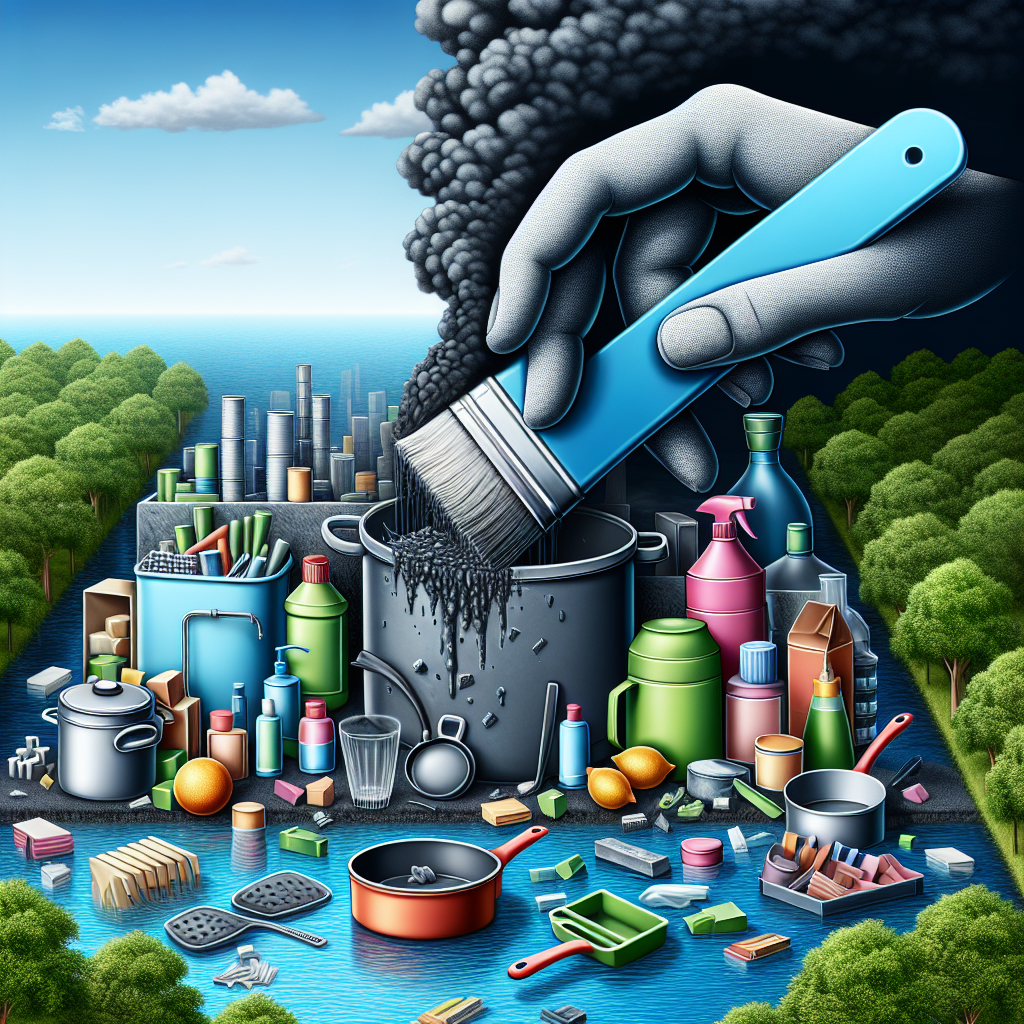
In a recent article published by Innovation News Network titled “Time to act now: Why industry must address PFAS in sanitary products,” pressing concerns are raised about the presence of per- and polyfluoroalkyl substances (PFAS) in everyday consumer goods. These chemical compounds, often referred to as “forever chemicals” due to their persistence in the environment and human body, have increasingly become a focus of health and safety discussions. The article underscores the urgent need for industry leaders to tackle this issue, highlighting both health and environmental implications.
PFAS are a group of synthetic chemicals used in various industrial applications and consumer products for their water and grease-resistant properties. However, their resilience also means they do not break down easily, accumulating in the environment and living organisms. Research links these substances to a range of health problems, including cancer, liver damage, and impaired immune response. The growing body of evidence has prompted regulatory bodies and environmental groups to call for stricter controls and alternative solutions.
One of the key aspects discussed in the article is the presence of PFAS in sanitary products, such as menstrual products, which are in direct contact with the body. This raises significant concerns about long-term exposure and associated health risks, especially given the sensitive nature of the areas involved. The Innovation News Network article argues that manufacturers have a responsibility to ensure the safety of their products by eliminating harmful substances and adopting safer alternatives.
The call for industry action is part of a broader trend towards sustainability and safety in consumer products. Consumers are becoming increasingly aware of the chemicals used in products they rely on daily, and there is a growing demand for transparency and safety assurances. Industries that fall short in addressing these concerns risk losing consumer trust and facing regulatory repercussions.
Furthermore, the environmental impact of PFAS cannot be overlooked. These chemicals have been found in water supplies and wildlife, contributing to a broader ecological crisis. The persistence of PFAS in the ecosystem poses challenges for remediation and requires coordinated efforts from both companies and policy makers to develop effective management strategies.
In response to the growing pressure, some companies have started to reformulate products and invest in research to find non-toxic alternatives to PFAS. Innovation and proactive change in manufacturing practices are seen as essential steps for industries looking to align with evolving safety standards and consumer expectations.
Ultimately, the article from Innovation News Network serves as a timely reminder of the collective responsibility needed to address the widespread issue of PFAS in consumer products. It emphasizes the necessity for immediate industry action to protect both public health and the environment. As consumers and regulators continue to push for safer products, industries must prioritize transparency and innovation to effectively respond to this pressing challenge.