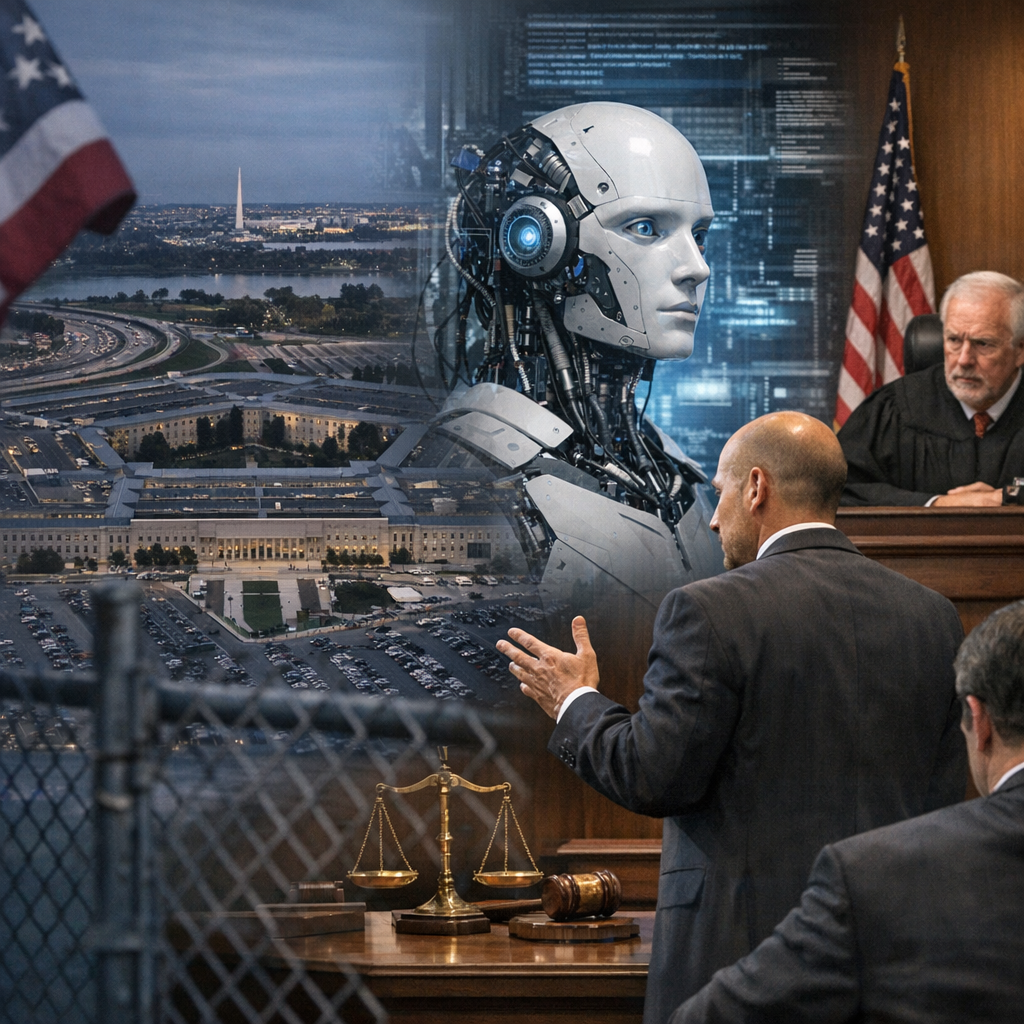
Anthropic, a prominent player in the field of artificial intelligence, finds itself at the center of a significant controversy as the Pentagon considers blacklisting the firm, a measure often reserved for entities that pose a threat to national security. According to a recent report by Economic Times titled “Anthropic Has Strong Case Against Pentagon Blacklisting, Legal Experts Say,” the organization might have viable legal grounds to challenge such a move.
The firm’s potential placement on the Pentagon’s blacklist has garnered attention and sparked debate among legal experts, who have been closely scrutinizing the Department of Defense’s rationale and procedural approach. The Economic Times article outlines the expert consensus that Anthropic could present a robust legal challenge against the blacklisting, primarily due to procedural deficiencies in how the case is being handled.
At the heart of the issue is the question of whether the Pentagon has adequately justified its intention to blacklist Anthropic. Legal experts argue that the Department of Defense must provide a clear and compelling evidentiary basis for its decisions, a standard that some believe has not been met in this instance. This requirement is crucial not only to ensure fairness and transparency but also to maintain the integrity of the processes that govern national security concerns.
Anthropic, known for its pioneering work in AI, has expressed its commitment to addressing any concerns that the Pentagon may have. The company, while maintaining a cooperative stance, seems prepared to engage in a legal battle to protect its reputation and business interests. The case highlights the complex interplay between national security priorities and the burgeoning tech industry’s global reach. The business implications for Anthropic are significant; being blacklisted could severely limit its ability to engage with government contracts and collaborate with other organizations within the defense sector.
The situation underscores a broader narrative within international and domestic policy circles about how best to balance technological innovation with security requirements. As AI technology rapidly evolves, governments worldwide are grappling with the need to regulate while fostering innovation. The potential blacklisting of a major AI player like Anthropic may set a precedent with far-reaching consequences for the sector.
The ongoing case also raises critical questions about the responsibilities and roles of governmental bodies in scrutinizing tech companies, particularly those at the forefront of developing potentially transformative technologies. As the Pentagon deliberates, the outcome of this case could have lasting implications not only for Anthropic but also for the broader tech industry, which continues to navigate the challenging landscape of regulation, innovation, and security.