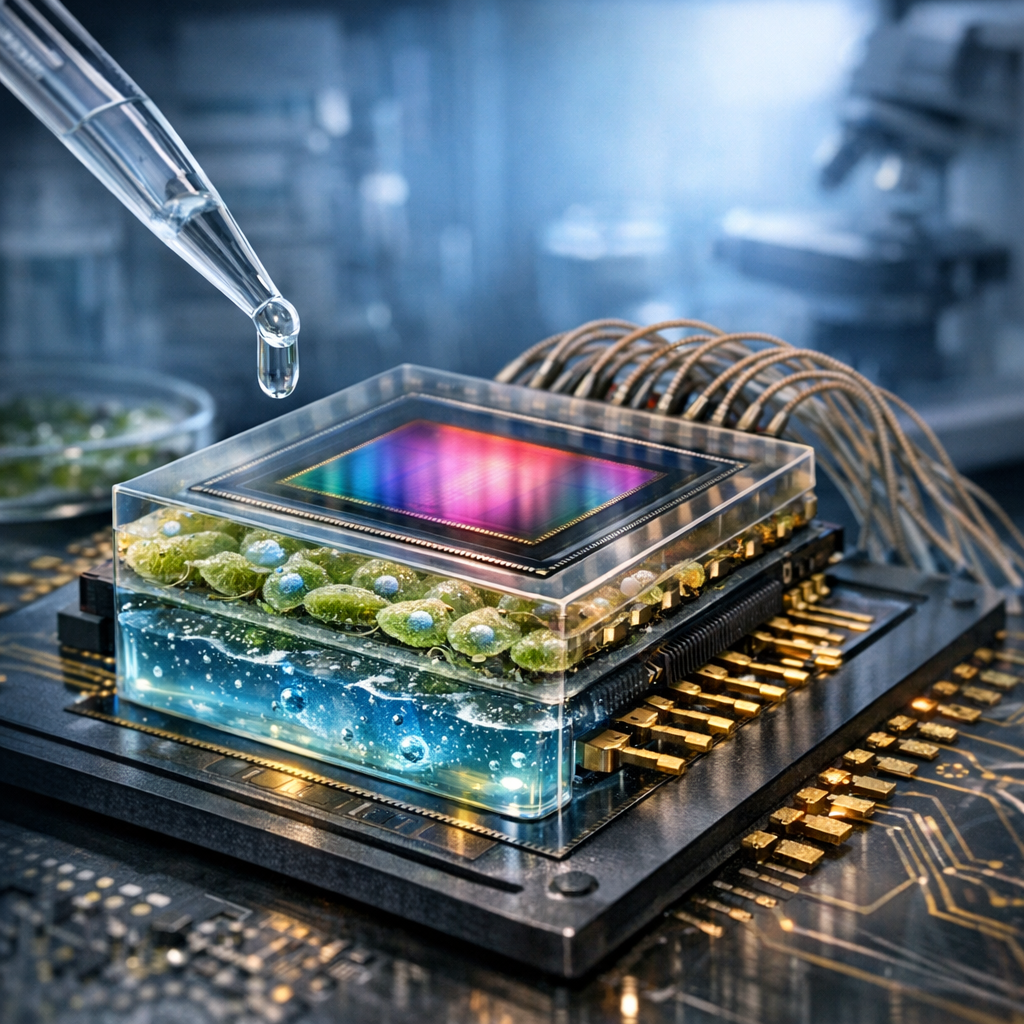
A groundbreaking innovation in sensor technology has been unveiled with the development of a biohybrid image sensor grounded in a unique electrolyte basis, according to a report by Tech Xplore titled, “Biohybrid Image Sensor Based on Electrolyte.” This advancement promises to revolutionize the landscape of electronic sensing devices by harnessing the potential of biohybrid systems to achieve enhanced sensitivity and adaptability.
The core of this innovation lies in its integration of biological and electronic components, a synergy that offers unprecedented capabilities in terms of sensitivity to light and other environmental stimuli. The utilization of an electrolyte as a primary component is particularly noteworthy, providing a medium that not only supports the biological material but also facilitates the electronic processes necessary for image capture.
Biohybrid systems represent an exciting frontier in sensor technology, merging the innate efficiency of natural systems with the precision and scalability of modern electronics. In this latest development, the use of biomolecular materials such as proteins or enzymes opens up possibilities for sensors that function more like natural photoreceptors. This could lead to significant improvements in the performance of imaging systems, particularly in conditions where conventional sensors struggle, such as low-light environments.
The implications of this technology extend far beyond traditional imaging applications. Biohybrid sensors could play a crucial role in fields ranging from medicine to environmental monitoring. In medical diagnostics, for example, enhanced imaging sensors could lead to more accurate non-invasive procedures, providing new tools for early disease detection. Similarly, environmental sensors based on this technology could offer more sensitive responses to changes in air or water quality.
Despite the promise it holds, the development of biohybrid sensors also presents challenges. Ensuring the stability and longevity of the biological components in various operating conditions is a primary concern. Further research is needed to address these issues and to integrate these systems into scalable manufacturing processes.
With its report on this pioneering technology, Tech Xplore sheds light on a significant step towards more versatile and responsive sensor technologies. As researchers continue to explore the possibilities offered by biohybrid systems, the future of sensor applications appears poised for transformative changes. Industries and consumers alike will likely witness a surge in devices that move beyond the capabilities of current technologies, ushering in a new era of interactive and intelligent sensing solutions.