In addressing the perennial challenge of high healthcare costs while ensuring quality patient care, an intriguing development has emerged in the intersection of healthcare and artificial intelligence. Israeli startup DiA Imaging Analysis has recently secured a remarkable sum of $40 million in a funding round led by the healthcare investment arm of the global electronics giant Siemens. This move, as reported by Calcalist, in their article titled “Israeli AI imaging startup DiA secures $40m investment led by Siemens Healthineers,” highlights a significant shift towards integrating more advanced technological solutions in everyday clinical practice.
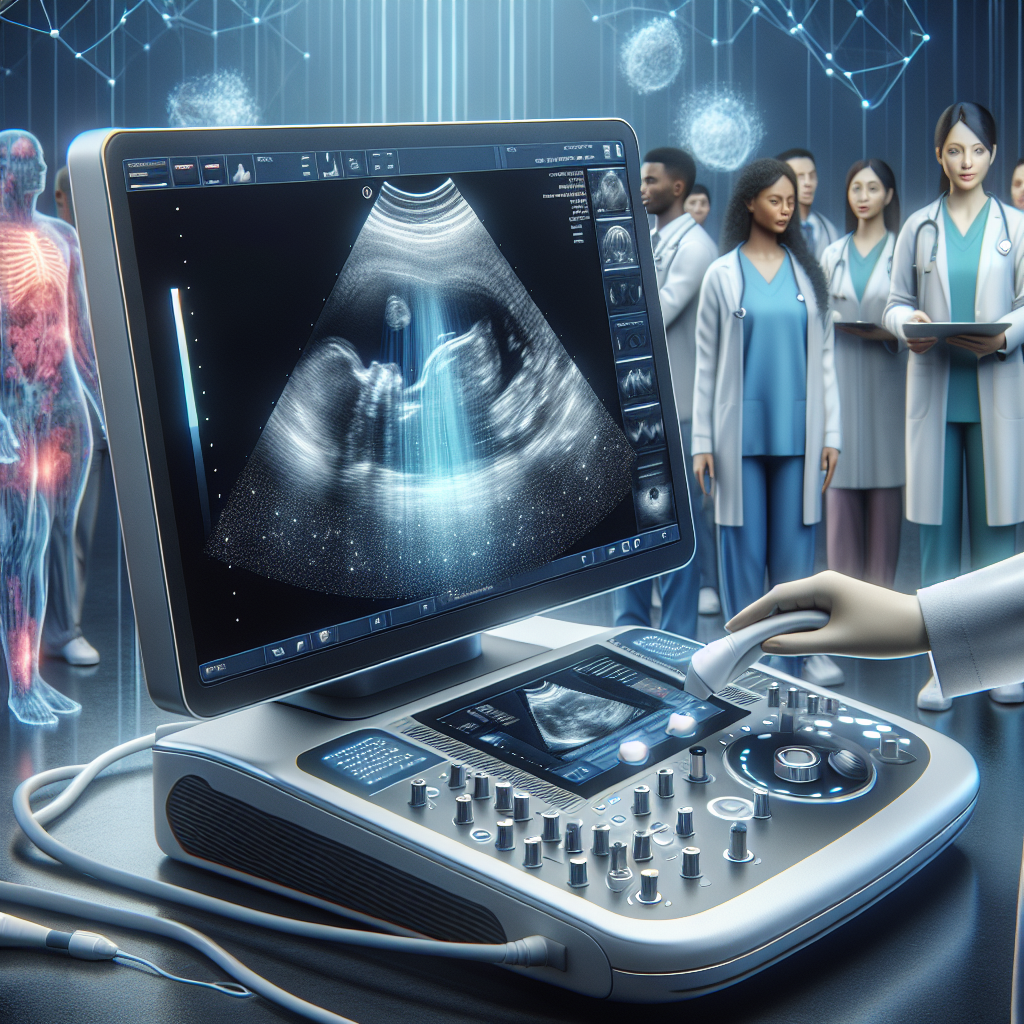
DiA Imaging Analysis, established in 2009, specializes in the development of AI-powered solutions designed to transform the analysis of ultrasound images. Their technology streamlines the interpretation process, making it more accurate, less dependent on operator expertise, and significantly faster. These capabilities are crucial in a clinical setting, where time and accuracy can dictate patient outcomes.
The investment by Siemens Healthineers is reflective of a broader industry trend where large healthcare technology companies are increasingly partnering with nimble tech startups to drive innovation. Siemens’ decision to lead this funding round not only underscores the potential they see in DiA’s technology but also marks a strategic expansion of their own digital health services.
Beyond the immediate financial boost, the partnership with a global powerhouse like Siemens provides DiA with an invaluable platform for scaling their operations and enhancing their product offerings. For Siemens Healthineers, the collaboration is an opportunity to enrich their ultrasound portfolio with cutting-edge AI capabilities, which can set them apart in a competitive market.
The implications of such technology are profound. AI-driven tools like those developed by DiA can democratize high-quality medical imaging analysis, making it accessible in regions and settings that lack specialized diagnostic expertise. Furthermore, by reducing the variability in image interpretation, these tools can contribute to more standardized care pathways and potentially better health outcomes.
Yet, as with any technological integration in healthcare, challenges remain. The adaptation of AI tools comes with concerns around data privacy, the need for robust regulatory frameworks, and the necessity of ensuring that these technologies are used ethically and without bias. Moreover, while AI can assist in clinical decisions, the ultimate responsibility still lies with the healthcare professionals, necessitating adequate training and adaptation to these new tools.
As the healthcare sector continues to evolve, the investment in DiA by Siemens Healthineers represents a significant milestone in the journey towards a more technologically advanced, efficient, and potentially transformative healthcare ecosystem. It is a clear signal that the future of healthcare will increasingly rely on the successful amalgamation of technology and human expertise. Such collaborations not only pave the way for innovative solutions but also ensure that these technologies are implemented in a way that enhances the care patients receive across the globe.