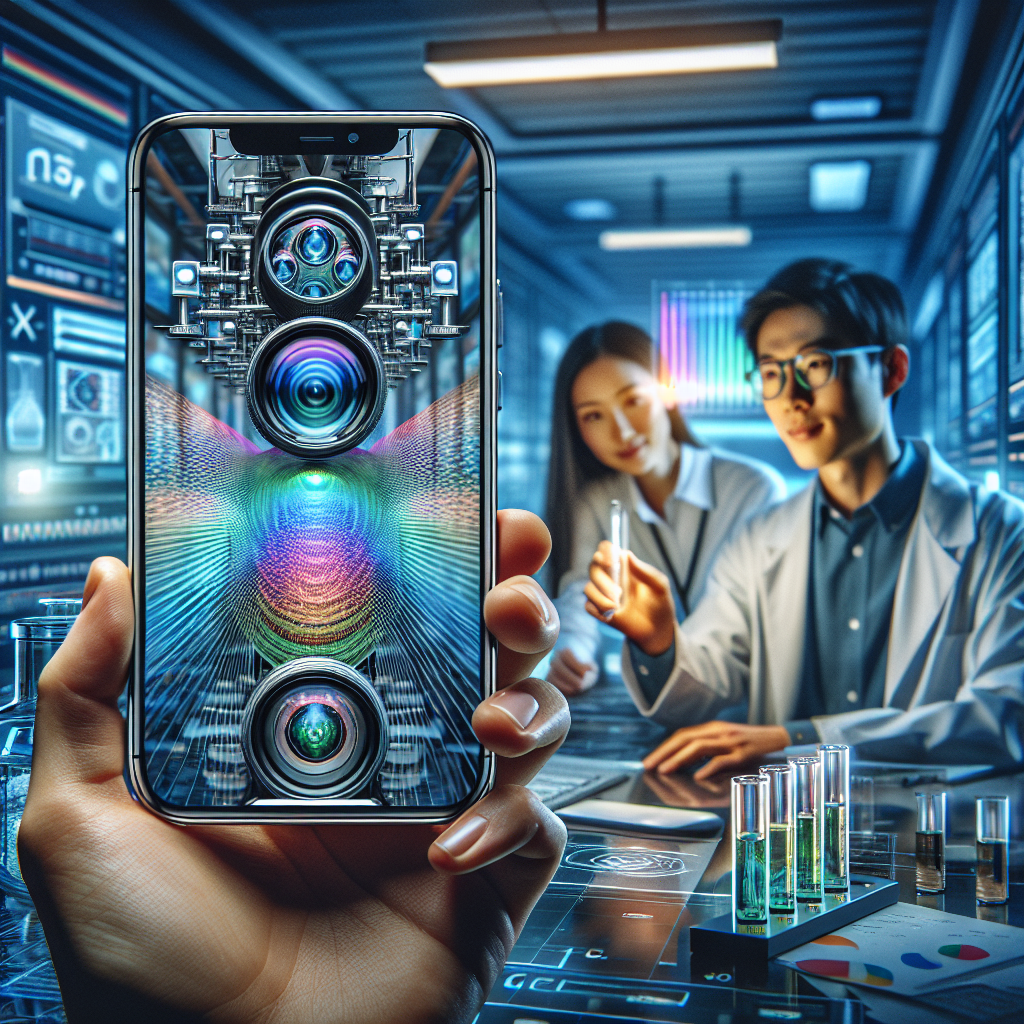
Apple is reportedly investigating the integration of multispectral imaging technology into future iPhone models, a development that could markedly enhance the camera capabilities of the flagship device. According to a January 7 article titled “Apple Reportedly Exploring Multispectral Imaging for Future iPhones” published by StartupNews.fyi, the tech giant has been conducting research in this area with the aim of expanding the range of light frequencies its devices can detect and process.
Multispectral imaging involves capturing image data across specific wavelengths of the electromagnetic spectrum, allowing cameras to interpret information that lies beyond the capabilities of conventional RGB sensors. These systems are widely used in scientific, agricultural, and industrial applications for tasks such as plant health monitoring, material inspection, and medical diagnostics. Bringing similar capabilities to a consumer smartphone could potentially open new avenues for photography, augmented reality, and health monitoring.
While the report does not confirm a timeline for the deployment of this advanced imaging technology, industry analysts see Apple’s interest as part of a broader strategic effort to maintain its competitive edge in mobile photography. Apple has historically placed significant emphasis on camera improvements as a key selling point for iPhone upgrades. The company’s recent models feature computational photography tools and advanced sensor arrays, underscoring its investment in imaging as a core element of product differentiation.
Details remain scarce on whether Apple will develop its own multispectral sensors or partner with external providers. The move, however, aligns with a continued push by Apple into custom silicon and proprietary hardware, which could give its implementation of the technology unique advantages in terms of performance and integration.
Apple’s exploration of multispectral imaging also sits at the intersection of hardware and software innovation. Seamless integration of this technology would likely depend on machine learning algorithms capable of interpreting spectral data in real time and presenting it in meaningful ways to end users. This reinforces the company’s broader strategy of tying hardware upgrades to software advancements that are tightly woven into its ecosystem.
While speculation will undoubtedly grow regarding the feature’s potential use cases—including medical diagnostics through skin analysis or detecting materials in augmented reality—any implementation in a consumer device would need to balance performance, cost, and user-friendly design.
As with many of Apple’s early-stage technology explorations, the company is expected to proceed cautiously, focusing on refining the user experience before rolling out any major hardware innovations. If multispectral imaging does make its way into a future iPhone, it could represent not just a leap in imaging, but a foundational technology for new app functionality and services.