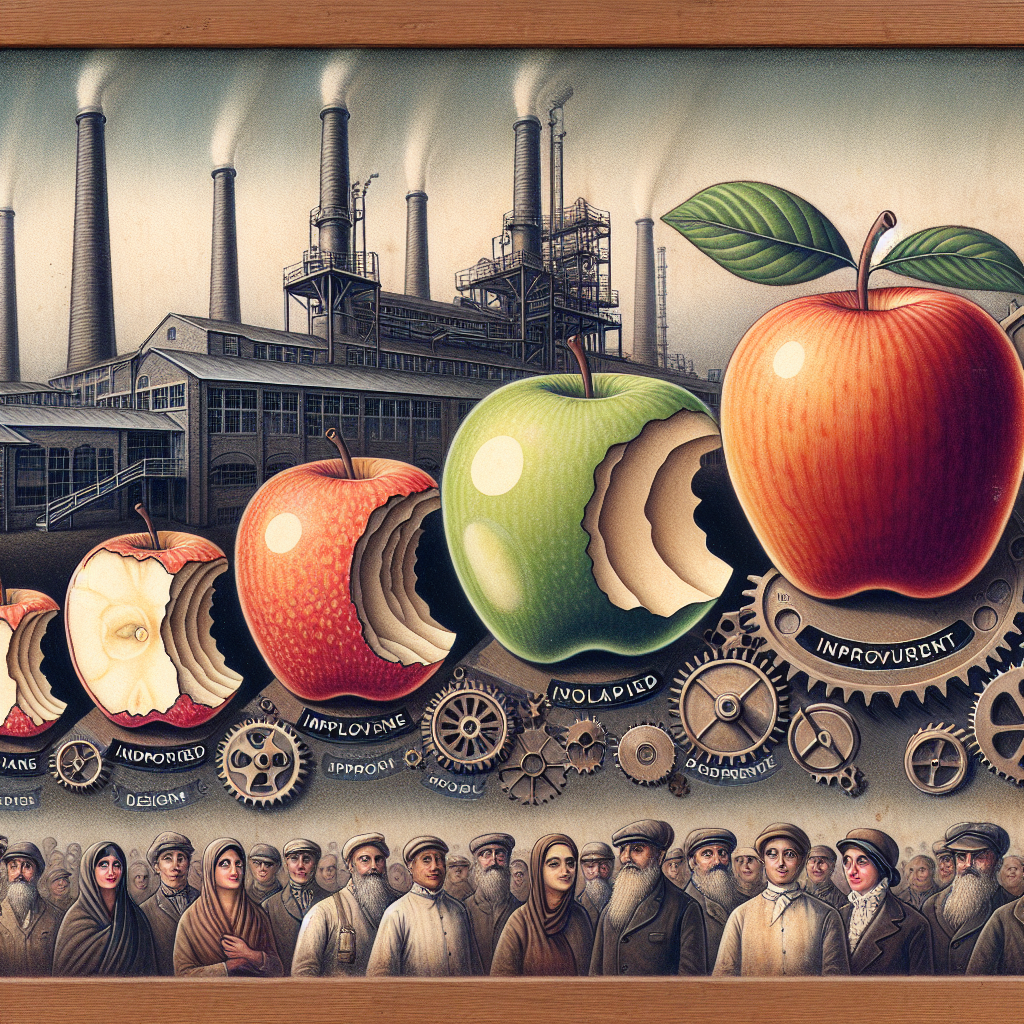
In a move that underscores its evolving role in the broader U.S. manufacturing ecosystem, Apple has begun sharing key lessons from past product development missteps — including the widely publicized “Bendgate” episode — with a network of small American manufacturers. The insights are part of a broader, strategic initiative to strengthen domestic production capabilities and transfer critical product design and quality control knowledge to smaller partners that are increasingly integral to Apple’s supply chain.
According to the December 17 article titled “Apple Shared ‘Bendgate’ Lessons as It Helped Small U.S. Manufacturers” published by Startup News FYI, the tech giant has been offering technical guidance to select U.S.-based firms as part of a behind-the-scenes collaboration effort. These interactions reportedly focus on sharing Apple’s own learning curve from past engineering challenges, notably the structural design flaws that led to the iPhone 6 bending controversy nearly a decade ago.
The 2014 incident, which generated a wave of consumer criticism and online ridicule, came to symbolize the potential pitfalls of aggressive industrial design that fails to account for real-world stress and handling. Apple’s public response at the time sought to downplay the extent of the issue, yet internal documents later revealed the company to be well aware of the design’s relative vulnerability. Now, years later, Apple appears to be transforming that experience into a teachable moment for its network of domestic suppliers.
Startup News FYI reports that Apple’s initiative involves sharing engineering best practices, product reliability standards, and insights from its own rigorous prototyping and testing procedures. In doing so, Apple is helping smaller manufacturing partners bolster both product quality and production readiness — crucial capabilities if the U.S. is to play a more significant role in the global high-tech supply chain.
This approach also aligns with broader policy and market trends. As geopolitical tensions and global supply chain disruptions continue to prompt companies to diversify their manufacturing bases, American tech firms are increasingly looking to reinforce local infrastructure, in part by supporting small and mid-sized enterprises with advanced manufacturing know-how. For Apple, such collaborations may also be a strategic hedge, ensuring greater resilience and flexibility in its production networks amid rising scrutiny over offshore labor practices and component sourcing.
The article notes that Apple’s support goes beyond mere intellectual mentorship; in some cases, the company facilitates physical upgrades to manufacturing plants, including the integration of precision equipment and automation tools typically reserved for high-tier suppliers. While financial details and specific company names were not disclosed, several sources cited in the piece characterized the effort as “transformational” for the participating firms.
Apple has long cultivated a reputation for vertical integration and tight control over its production processes. However, this newfound willingness to disseminate internal knowledge suggests a shift in the company’s operational philosophy, perhaps reflective of both external pressures and a growing recognition that innovation ecosystems thrive on shared expertise.
As the landscape of American advanced manufacturing continues to evolve, Apple’s hybrid role as both tech titan and industry mentor may mark a new phase in how Silicon Valley giants engage with partners — not just as clients, but as collaborators in rebuilding a more resilient and distributed production footprint.