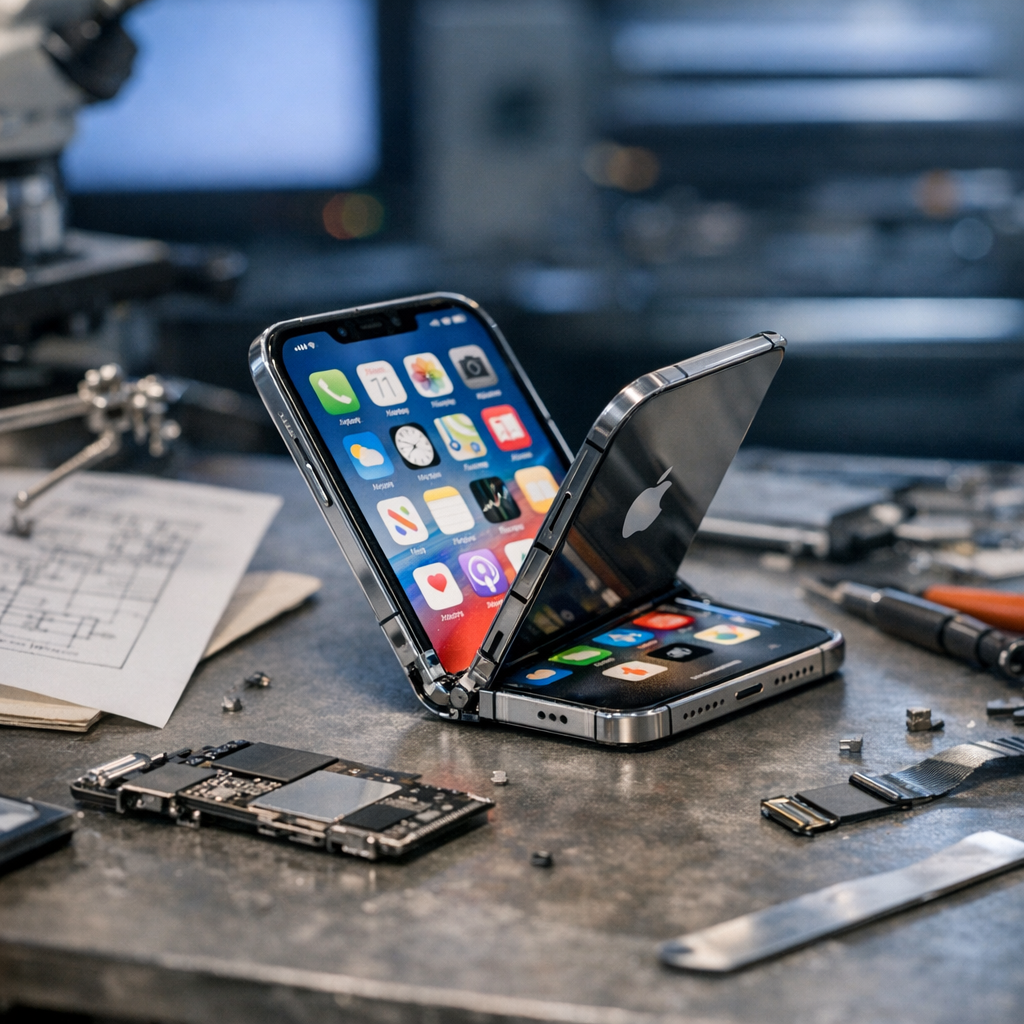
Apple’s long-rumored entry into the foldable smartphone market is encountering fresh engineering challenges that could delay its debut, underscoring the company’s cautious approach to a category already tested by rivals.
According to the Economic Times, citing a Nikkei Asia report titled “Apple’s foldable iPhone faces engineering snags, potential shipment delays,” the technology giant is grappling with technical hurdles tied to durability and display performance. These issues have reportedly slowed development progress and may push back initial shipment timelines beyond earlier expectations.
At the center of Apple’s difficulties are concerns around the reliability of folding displays and hinge mechanisms, areas where competitors such as Samsung have already faced—and gradually addressed—significant design flaws over multiple product generations. Apple, which has historically prioritized refinement over first-mover advantage, appears reluctant to release a device that does not meet its stringent performance and longevity standards.
The report suggests that suppliers working with Apple are still in the process of resolving complications related to screen creasing and structural resilience. These challenges are particularly critical in foldable devices, where repeated opening and closing can degrade components more rapidly than in traditional smartphones. Apple’s insistence on minimizing visible creases and ensuring consistent display quality has added complexity to the engineering process.
Industry analysts note that Apple’s deliberate pace contrasts with the broader market, where foldable phones are steadily gaining traction despite premium pricing and lingering concerns about durability. Global shipment volumes remain relatively modest compared to conventional smartphones, but the segment has become a key area of innovation and differentiation among high-end manufacturers.
Delays in Apple’s entry could allow competitors to further consolidate their lead, particularly in Asia, where foldable adoption has been strongest. However, Apple’s eventual arrival is widely expected to reshape the market, given its influence over consumer trends and its ability to integrate hardware and software ecosystems.
For now, the reported setbacks reinforce a familiar pattern: Apple is willing to postpone product launches rather than compromise on design or user experience. While this strategy has historically paid off, it also raises questions about how quickly the company can catch up in a segment that is evolving rapidly with each new iteration.