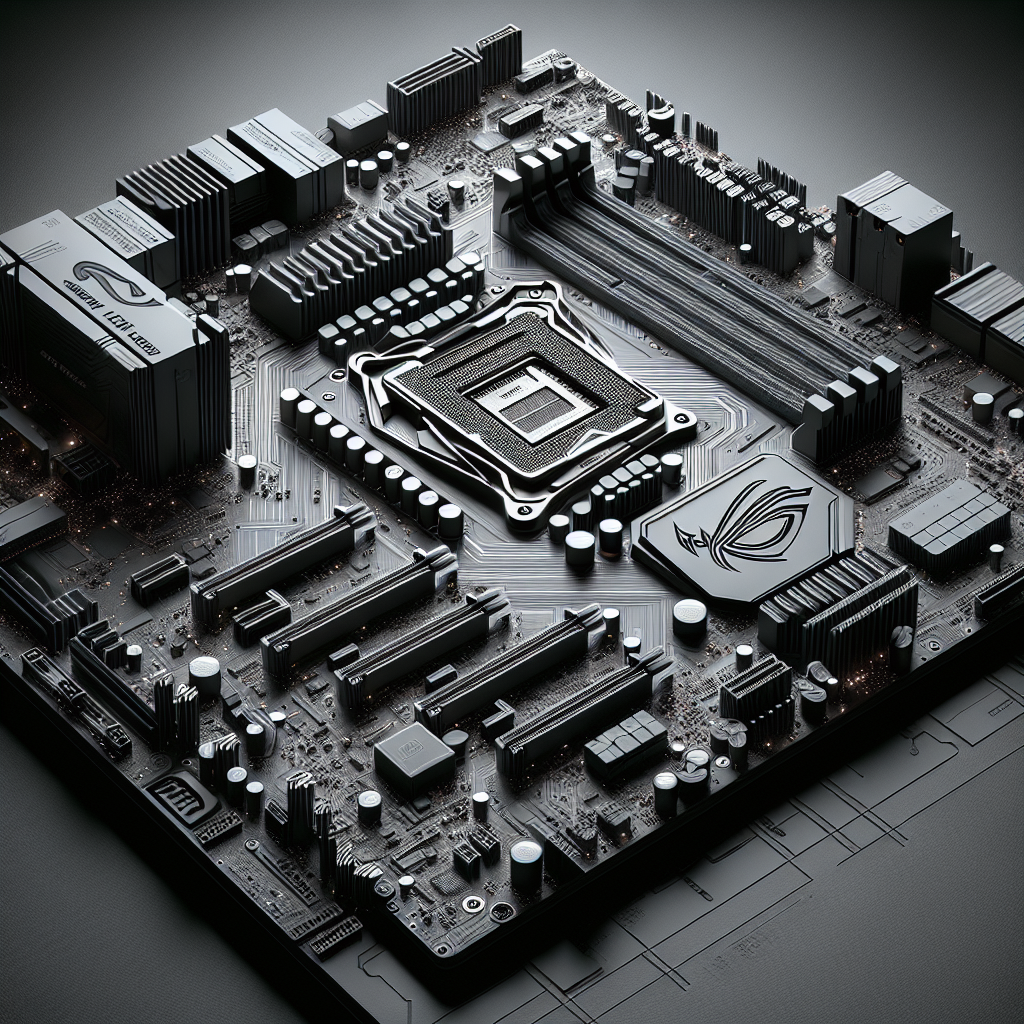
In a move that could redefine user convenience and system readiness in the PC building ecosystem, ASUS has upgraded its ROG Strix NEO AM5 motherboard lineup to include a 64MB SPI ROM, a capacity sufficient to pre-load Wi-Fi drivers directly into the system firmware. The decision to upsize the onboard ROM aligns with a broader industry shift toward emphasizing out-of-the-box readiness and improved user experience, following a similar move by competitor Gigabyte.
According to a recent report titled “ASUS adds 64MB ROM to Strix NEO AM5 motherboards following Gigabyte — capacity large enough to fit pre-installed Wi-Fi drivers,” published by Startup News FYI, ASUS is responding to the growing demand for plug-and-play functionality in desktop motherboards. The inclusion of Wi-Fi drivers in the motherboard ROM means users with supported wireless chipsets can get online immediately during or after OS installation, without needing wired Ethernet connections or external driver media.
This change is especially relevant in an era where an increasing number of PC builds are taking place in environments that may not offer convenient access to Ethernet connections. By embedding Wi-Fi drivers at the firmware level, ASUS enables smoother initial setup, particularly for Windows installations where network access is needed to complete the operating system deployment or to fetch early updates and drivers.
While ASUS has not yet released comprehensive documentation specifying which Wi-Fi chipsets are supported or whether the feature will be retroactive via BIOS updates on existing boards, sources close to the company indicate that the expanded ROM size may also allow for a richer BIOS feature set moving forward. Potential advantages could include increased customization options, advanced diagnostics, or even more robust compatibility layers for new hardware.
Gigabyte previously made headlines for taking a similar step, having introduced motherboards with enough ROM capacity to include essential drivers, thereby setting a precedent within the DIY and system integrator communities. ASUS’s quick alignment with this trend underscores the growing importance of user-centric features in the fiercely competitive motherboard market.
By incorporating pre-installed Wi-Fi drivers into system firmware, manufacturers are not only simplifying initial setup processes but also responding to broader challenges in PC accessibility and configuration. With more users entering the high-performance computing space, such features may soon become standard expectations rather than premium add-ons.
As the PC hardware industry continues to push the boundaries of integration and ease-of-use, moves like these reflect a broader trend of reducing friction in system deployment. While enthusiasts may still prefer manual driver installations and custom network configurations, the expanded ROM adoption signals a growing consensus among manufacturers: first impressions matter, even in the BIOS.