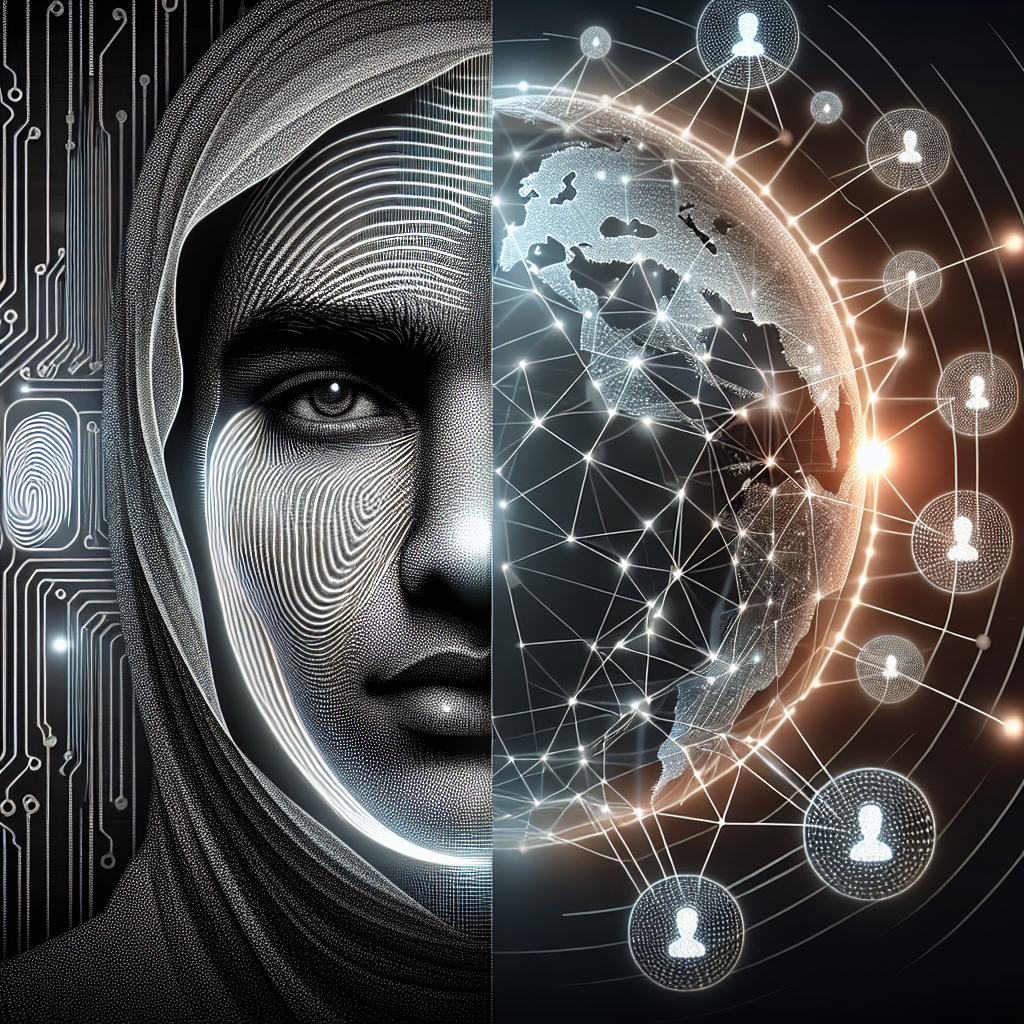
As global reliance on digital platforms intensifies, the urgency to secure identities in cyberspace has reached new heights. A recent article published by Innovation News Network, titled “Securing Digital Identity Through Biometric Authentication,” delves into an evolving frontier in cybersecurity, spotlighting the role of biometrics as a keystone in the effort to thwart increasingly sophisticated digital threats.
With cyber fraud and identity theft on the rise, traditional modes of authentication—such as passwords and PINs—are being rendered increasingly vulnerable. The article argues that biometric authentication, which uses unique physiological or behavioral characteristics like fingerprints, facial patterns, and voice recognition, offers a more secure and user-friendly alternative. This shift is being embraced by both public and private sectors, as institutions seek to balance heightened security needs with the demand for seamless digital experiences.
Biometric technologies have advanced rapidly in recent years, driven by breakthroughs in artificial intelligence and machine learning. These developments have enabled more accurate and reliable identification systems, reducing the rate of false positives and spoofing attempts. According to the piece, the integration of these technologies into smartphones, banking systems, and even national identity programs underscores their growing importance in digital infrastructure.
However, the article also highlights the challenges that accompany the adoption of biometric solutions. Chief among these are concerns over privacy, data storage, and the potential misuse of sensitive biometric information. Security experts warn that biometric data, unlike passwords, cannot be changed if compromised, making secure management and encryption critical. To address this, the article notes that regulators and technology providers are working toward establishing rigorous standards and frameworks to ensure both safety and compliance.
Innovation News Network points to several prominent examples of biometric authentication implementation, including global e-passport initiatives and biometric border controls, that signal a broad shift toward biometric-based digital identity schemes. The article also references ongoing research into multi-modal systems that combine several biometric identifiers to further strengthen authentication mechanisms.
As digital transformation accelerates in sectors ranging from healthcare to finance, the strategic importance of secure identity verification cannot be overstated. “Securing Digital Identity Through Biometric Authentication” paints a compelling picture of a future in which biometrics play a central role in safeguarding digital interactions, while also cautioning that robust oversight and ethical standards will be essential in ensuring these technologies serve the greater public good.