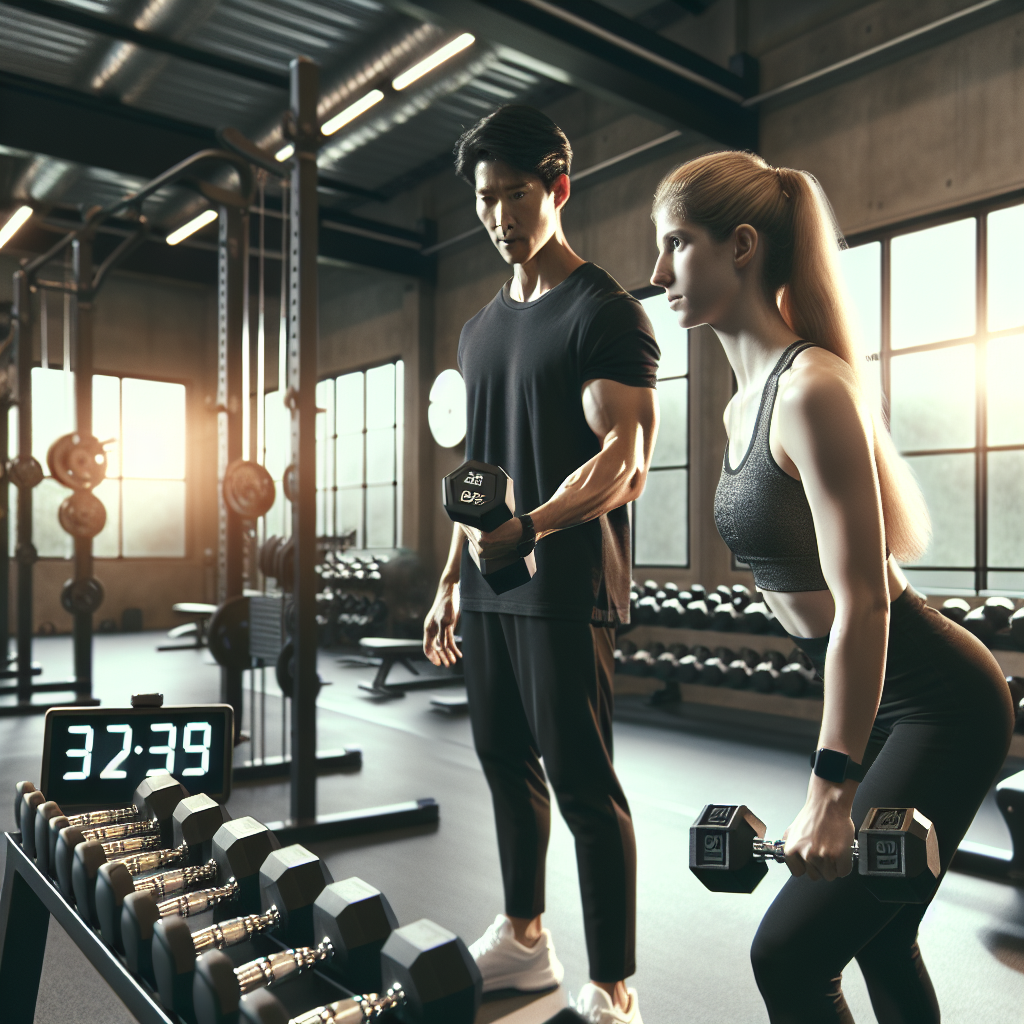
In the quest for a healthier, more resilient body, time constraints often serve as the primary obstacle. Recognizing this challenge, fitness professionals continue to devise methods that cater to the fast-paced lifestyle of today’s society. Among these innovative strategies is a 30-minute, full-body dumbbell workout highlighted by a seasoned coach, according to the article “Build a Stronger Body for Life: A Coach Shares Her 30-Minute Full-Body Dumbbell Workout to Help Boost Functional Strength” published on Startup News.
The workout regimen designed by the coach, as detailed in the article, is crafted with the dual goals of accessibility and effectiveness. The routine emphasizes functional strength, a type of strength that is essential for day-to-day activities, enhancing not just muscle mass but also improving overall fitness and agility.
Functional training has gained traction among fitness experts because of its holistic approach. Instead of focusing on one specific muscle group, it targets multiple areas, ensuring a balanced workout that builds strength where it counts. According to the coach interviewed for the article, the unique selling point of her approach lies in its practicality and adaptability for individuals at varying levels of fitness.
Each session utilizes dumbbells, which are versatile and relatively inexpensive pieces of equipment, making this workout approachable for those who may not have access to a fully equipped gym. The 30-minute duration is particularly appealing for those who find it difficult to carve out extensive periods for exercise due to demanding schedules.
This functional strength workout includes a series of compound movements, such as squats, presses, and rows, which are designed to work multiple muscle groups simultaneously. This not only maximizes the efficiency of the workout but also simulates common physical movements in daily life, from lifting heavy objects to reaching overhead.
Moreover, emphasis is placed on the quality of movement with a controlled pace and adequate rest periods, ensuring that exercises are performed with proper form to minimize the risk of injury and maximize the impact on strength and endurance.
The article does not just serve as a guide but also taps into an ongoing dialogue about the importance of maintaining physical health amidst modern-day pressures, the potential for injury when embarking on new fitness regimes, and the psychological benefits of regular physical exercise. It stresses the importance of a tailored fitness plan that accommodates individual health conditions and goals.
As healthcare professionals and fitness experts advocate for more integrated approaches to physical wellbeing, workouts like the one featured in the article not only promise improved physical health but also highlight a shifting paradigm where the quality of exercise, rather than its duration, becomes the focal point. This approach can lead to more sustainable fitness habits and long-term health benefits.
With a rising awareness of health and fitness, facilitated by accessible and efficient training regimens, individuals are increasingly empowered to incorporate regular exercise into their daily routines, potentially leading to healthier communities across the board.