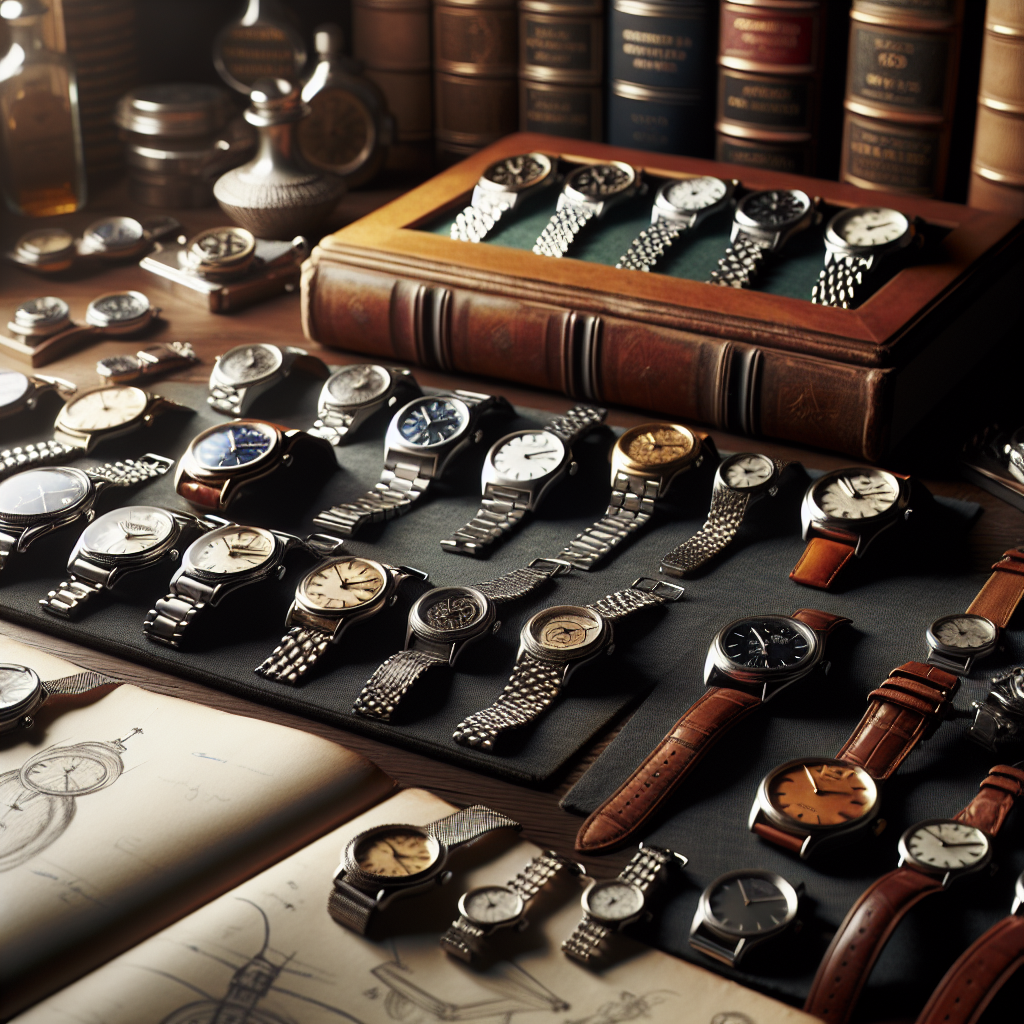
As the popularity of mechanical watches continues to accelerate among a new generation of collectors, many enthusiasts are navigating the difficult terrain of building a respectable collection without incurring exorbitant costs. A recent guide from *Wired*, titled “Want to Build a Watch Collection on a Budget? Here’s Where to Start,” offers a practical roadmap for aspiring watch aficionados attempting to balance style, quality, and affordability.
The piece underscores a broader trend: the democratization of horology. Once the exclusive domain of the elite, watch collecting today is increasingly accessible to consumers seeking craftsmanship and character without prices that rival a down payment on a home. The guide recommends starting with reliable, time-tested brands that offer value far beyond their asking prices. Brands like Seiko, Citizen, Orient, and Timex are prominently featured alongside lesser-known names such as Baltic and Hamilton, which have earned credibility in the enthusiast community for offering robust mechanics combined with thoughtful design.
More than just product recommendations, the article presents a strategy. It underscores the importance of understanding personal taste and the merits of versatility in curation. Rather than chasing status symbols, collectors are encouraged to prioritize provenance, build quality, and functional elegance. By focusing on watches that offer historical significance or standout mechanical innovations, a collection can be both modestly priced and deeply meaningful.
The *Wired* article also taps into the growing intersection between the tech-savvy and the traditionally-minded. In an age dominated by digital expressions of time, the mechanical or analog watch serves as both a counterpoint and a statement piece—a reflection of aesthetic sensibility and appreciation for tactile engineering. This cultural undercurrent is fueling interest not only in vintage pieces but also in microbrands that emphasize storytelling and limited production runs.
Yet the path laid out is not without its caveats. Resisting the temptation of hype-driven purchases—fueled by social media trends and resale market speculation—is critical for those trying to build a coherent and lasting collection. The article suggests a more disciplined approach: frequenting online forums, talking to seasoned collectors, and closely examining the specifications and heritage of each potential acquisition. Cost-conscious collectors are advised to eschew the pursuit of instant gratification in favor of long-term discernment.
In championing a budget-conscious approach, the *Wired* guide ultimately questions the prevailing industry narrative that equates quality with opulence. What emerges is a picture of horological collecting not as a luxury pursuit, but as a measured, intellectually rewarding endeavor. For many, this recalibration offers a refreshing alternative to the splurging patterns typically associated with luxury timepieces. It reaffirms that authenticity, not extravagance, may be the most timeless quality of all.