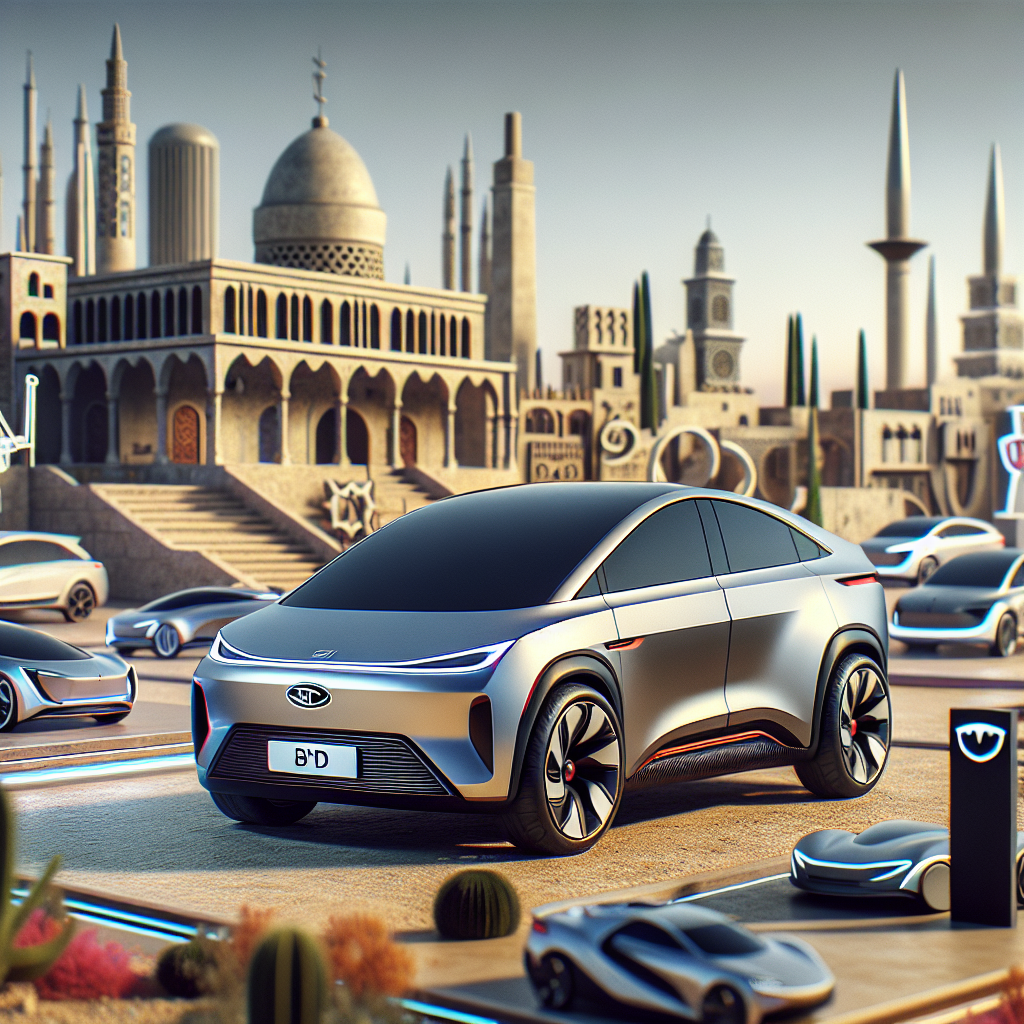
In a significant shake-up of the automotive industry landscape, Chinese electric vehicle (EV) manufacturer BYD has announced a comprehensive expansion plan into the Israeli market. This move places the Shenzhen-headquartered giant squarely in competition with Tesla and other automakers in a region ripe for electric innovation.
The strategic market entry, in partnership with Shlomo Motors, was initially reported by Calcalist under the title “Chinese Tesla Rival BYD to Enter Israeli Market.” This collaboration is poised to disrupt the current market dynamics, with BYD offering a range of electric passenger cars, a sector currently dominated by Tesla.
BYD’s announcement is not merely a new business expansion but a strong signal of the shifting dynamics in the global automotive industry. Established in 1995, BYD has metamorphosed from a battery manufacturer to a leading player in the electric vehicle industry, second only to Elon Musk’s Tesla in terms of international EV sales. This shift indicates a broader trend in the automotive sector: a pivot towards sustainable, environmentally friendly technologies that not only promise to reduce carbon footprints but also offer newer technologies in emerging markets.
Shlomo Motors, part of the Shlomo Group, will distribute and operate a service network for BYD in Israel. This partnership leverages Shlomo’s robust presence and reputation in the region, providing BYD a considerable advantage in terms of logistics and customer service. The company plans to open showrooms across Israel, effectively making BYD’s products more accessible to local consumers.
BYD’s foray into the Israeli market isn’t just about selling electric vehicles. It is a testament to the company’s confidence in its products, in particular its advanced battery technology, which is central to its market proposition. The Blade Battery, which BYD introduced, is praised for its safety and is a cornerstone of BYD’s expansion strategy. It underscores a competitive edge in a market that is becoming increasingly concerned with battery safety following several incidents involving other manufacturers.
Moreover, BYD’s entry into Israel is strategic given the country’s high adoption rates of technological innovations, including electric cars. Regulatory support from the Israeli government towards zero-emissions vehicles further complements BYD’s objectives, presenting a conducive environment for growth.
The potential implications of BYD’s movements in Israel extend beyond immediate market share. It could catalyze a more significant shift in consumer preferences and set a precedent for automotive standards, especially in terms of electrification. The competition with Tesla will be particularly interesting, as both companies are known for their innovation and rapid growth in the electric vehicle market.
Observers are keenly watching how this competition will unfold, noting that BYD’s aggressive pricing strategy combined with the promise of advanced technology could recalibrate consumer expectations and market dynamics not only in Israel but potentially across the Middle East.
Certainly, BYD’s expansion into Israel marks a significant milestone in the EV narrative. It reflects broader trends of global EV manufacturers carving out strongholds in new markets, suggesting a global shift towards sustainable transportation solutions. As the automotive industry continues to evolve, the entrance of major players like BYD into new regions could well dictate the pace and direction of this transformation.