As countless new parents quickly learn, the monumental joy of welcoming a new baby is often shadowed by a rush to create a safe environment for their newest family member. In a Wired article titled “How to Babyproof Your Home,” the growing challenge of babyproofing in an age dominated by sophisticated technology and contemporary home designs is thoroughly examined. While traditional methods still stand, the landscape of home safety has expanded significantly, making the task more daunting than in years past.
Babyproofing a home is an essential step in a broad and consistent approach to child safety. It involves adapting almost every corner of a living space to prevent accidents and to ensure that as babies grow and become more mobile, their environment remains as safe as possible. The Centers for Disease Control and Prevention (CDC) underscores that unintentional injuries are the leading cause of mortality among children in the United States, which underlines the critical need for meticulous babyproofing.
One of the foremost steps recommended involves assessing the environment from a baby’s vantage point. This may include scanning for small objects that can pose choking hazards, securing furniture that can tip over, and ensuring harmful substances and delicate objects are out of reach. The task can be enormous given the myriad of overlooked aspects such as window blinds, which might involve cords that pose strangulation risks, or the accessibility of button batteries found in remote controls, which can be dangerous if swallowed.
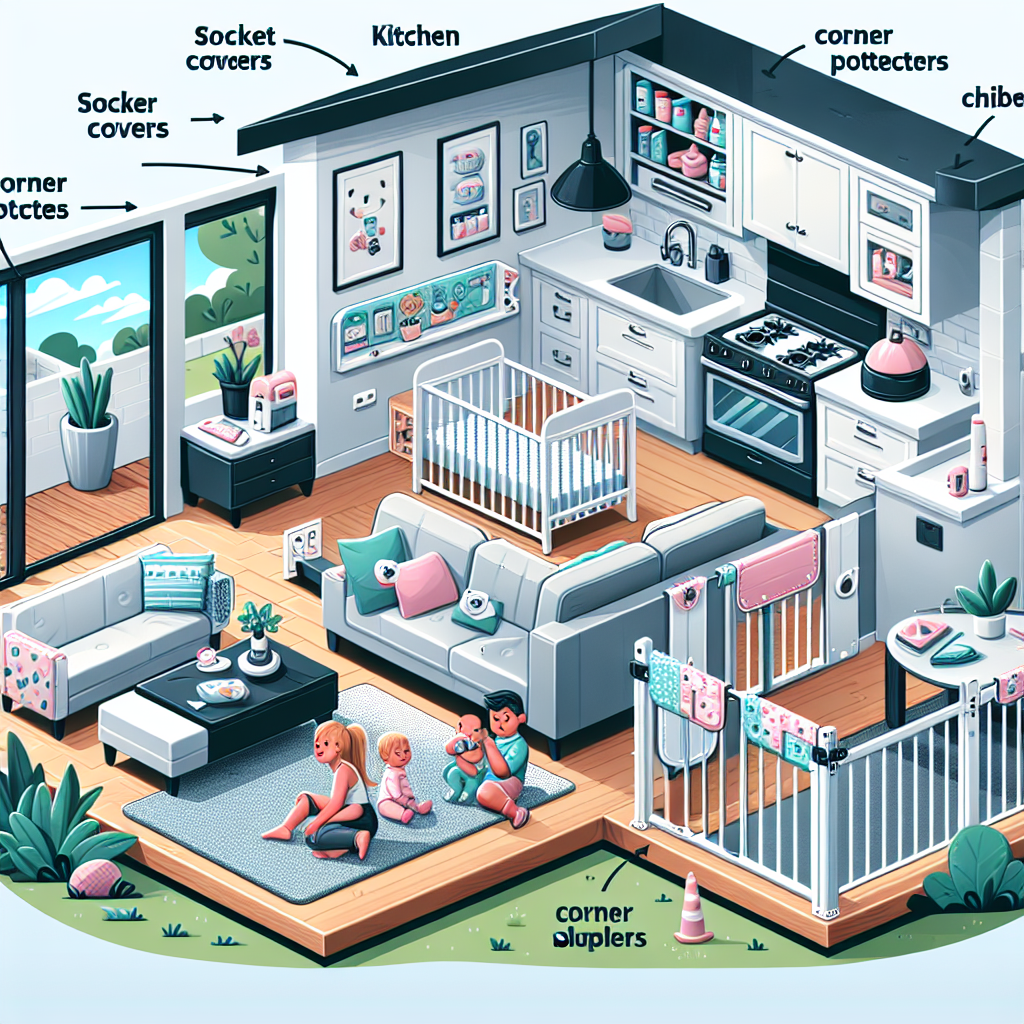
Electrical outlets, often ignored on daily basis, pose a significant risk, yet they are one of the simplest to secure with covers. Further, the kitchen and bathroom are flagged as areas needing stringent measures, given the presence of numerous chemicals and potentially sharp or heavy objects. The use of gates to disrupt access to particularly hazardous areas, like staircases or busy kitchens, is an essential layer of protection.
The digital era has introduced new challenges into baby-proofing. The prevalence of gadgets and their respective chargers means that modern homes are littered with potential electrical hazards. Moreover, the shift towards minimalist and modernist interior design often features low, sleek furniture with sharp edges that need to be addressed, either by adding corner protectors or by opting for more rounded furniture designs.
Despite the advice readily available online or from pediatricians, the reality that many parents face is the lack of a universal blueprint for securing a home. Each living space comes with its unique set of challenges and potential dangers, necessitating a dynamic approach to babyproofing. This ongoing task requires parents not only to maintain a vigilant eye but also to evolve their strategies as their children grow and as their capacities for mischief increase.
The foresight in taking proactive measures cannot be overstated. While accidents are inevitable, minimizing the risks through detailed and thoughtful babyproofing can alleviate many common concerns of parenting. Child safety experts continually advocate for this to be an iterative process — one that adapts over time and aims to stay ahead of children’s rapid development. In striving toward this goal, new parents arm themselves with not just physical safeguards, but peace of mind, which perhaps is the most crucial element in nurturing a secure and explorative environment for their children.