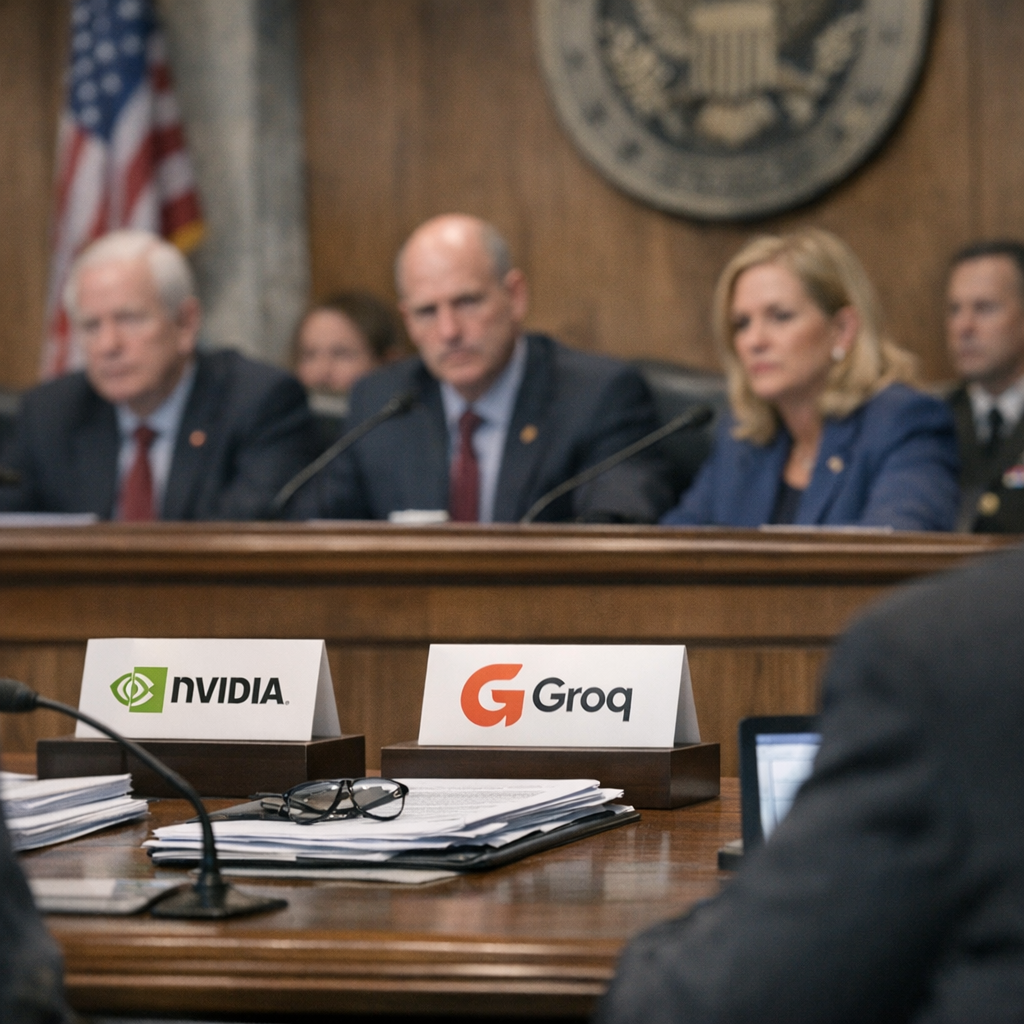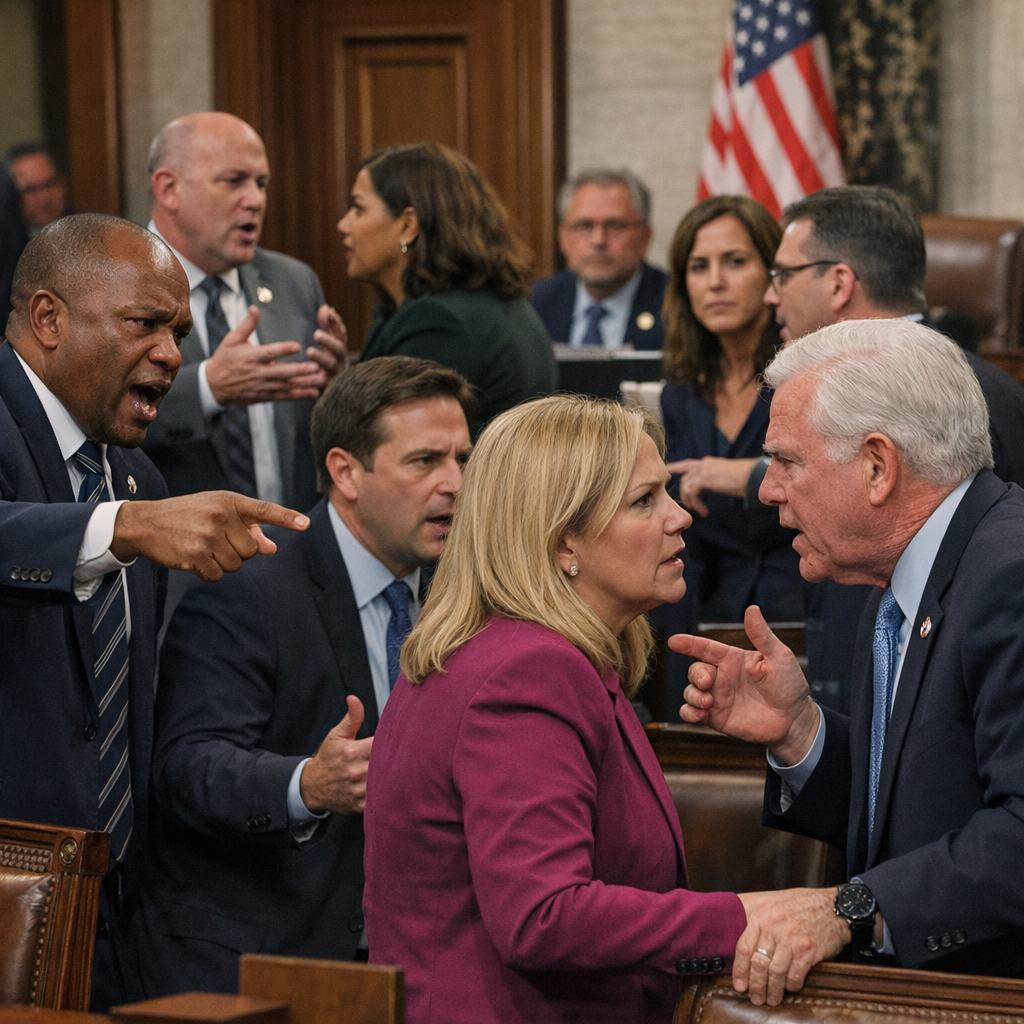
A senior Democrat’s push to preserve and expand a controversial surveillance authority is exposing deep divisions within the party, as civil liberties advocates warn of overreach while national security proponents argue the program remains indispensable.
According to the Wired article “A Top Democrat Is Urging Colleagues to Support Trump’s Spy Machine,” a leading Democratic lawmaker has been actively encouraging colleagues to back the continuation of a surveillance framework originally associated with the Trump administration. The effort centers on renewing a key provision that allows US intelligence agencies to collect communications involving foreign targets abroad, even when those communications incidentally include Americans.
Supporters of the program argue it is a critical tool for tracking threats from hostile states and extremist groups. Intelligence officials have long maintained that the authority enables rapid, large-scale data collection that would otherwise be difficult to obtain through traditional warrant processes. Backers within Congress say weakening or allowing the provision to lapse could leave significant blind spots in US intelligence capabilities.
However, the push has drawn sharp criticism from privacy advocates and some progressive Democrats, who contend the program has been repeatedly abused. They argue that reforms have not gone far enough to prevent warrantless searches of Americans’ communications and that oversight mechanisms remain insufficient. Critics also point to past disclosures showing that federal agencies have queried databases for information on US citizens without obtaining court approval.
The political tension is heightened by the program’s association with former President Donald Trump, whose administration supported its aggressive use. For some Democrats, aligning with a surveillance authority linked to Trump presents both substantive and symbolic challenges, particularly as the party has increasingly emphasized civil liberties and government accountability in recent years.
Despite these concerns, party leadership appears divided, with some influential figures prioritizing national security continuity over sweeping reform. Negotiations on Capitol Hill have focused on potential safeguards, including stricter limits on how agencies can search collected data and enhanced auditing requirements. Still, it remains unclear whether such measures will satisfy dissenting lawmakers.
The debate comes at a pivotal moment, as Congress faces a deadline to reauthorize or revise the surveillance authority. The outcome could shape the balance between privacy and security for years to come, testing whether lawmakers can reconcile competing priorities within an evolving threat landscape.