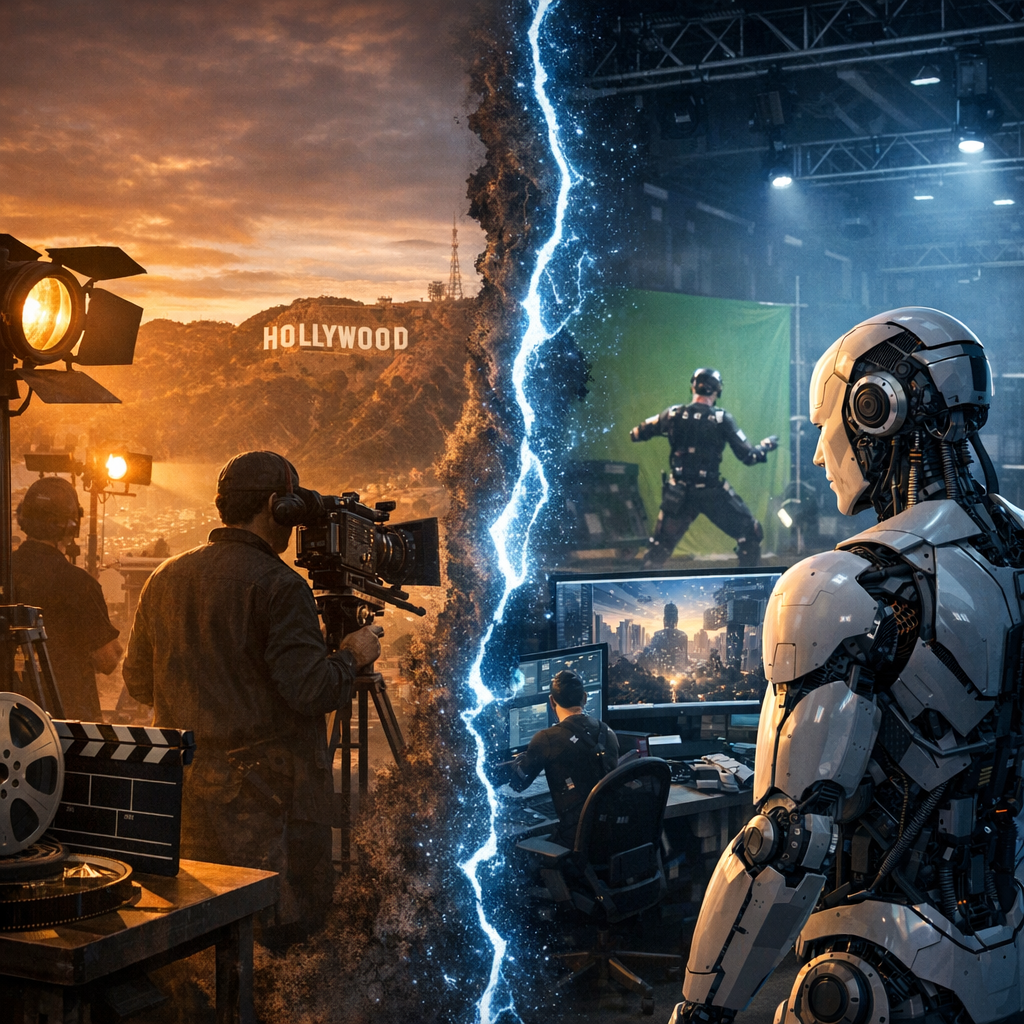
In a move that could reshape the intellectual property landscape in the age of artificial intelligence, The Walt Disney Company and OpenAI have entered a landmark agreement that may signal a new paradigm in how content creators and AI developers collaborate—and compete. The deal, first reported on December 11, 2025, by Startup News in an article titled “The Disney-OpenAI Deal Redefines the AI Copyright War,” outlines a comprehensive partnership aimed at both licensing and co-developing creative assets, while addressing the accelerating legal and ethical challenges surrounding AI-generated media.
According to the report, the agreement marks one of the most significant alliances between a legacy entertainment giant and a leading artificial intelligence research lab. Under the terms of the deal, OpenAI will gain licensed access to portions of Disney’s vast intellectual property library, enabling its generative models to be trained on select content for projects that have been approved in advance. In return, Disney will leverage OpenAI’s technologies to develop new storytelling formats, streamline production processes, and explore immersive, AI-driven user experiences.
The implications extend beyond the practical applications of the partnership. At the heart of the agreement is an attempt to preempt and perhaps redefine the mounting legal battles over the use of copyrighted material in training large language and media models. Disney’s willingness to open its content vault—under specific conditions—suggests a potential model for other rights holders grappling with the encroachment of AI into traditional creative domains. At the same time, OpenAI’s readiness to operate within clear licensing frameworks represents a marked shift in an industry that has been criticized for a perceived disregard for intellectual property norms.
Observers note that the deal could foreshadow a more regulated era of AI development, one in which content owners and technologists negotiate cooperative terms rather than clash in courtrooms. The pact arrives at a time when multiple lawsuits—some involving OpenAI and other generative model developers—are testing the boundaries of fair use, transformative work, and the definition of authorship in the digital age.
Disney’s involvement may prove pivotal. As one of the most powerful players in global media, the company’s initiative to work within, rather than against, the AI ecosystem brings significant weight to ongoing policy discussions and could encourage a wave of similar arrangements between IP holders and AI firms.
Nevertheless, questions remain about the long-term effects of such partnerships. Critics argue that content licensing at this scale could cement control of AI innovation among a small number of corporate stakeholders, potentially limiting diversity and openness in creative expression. Others warn of the risk that AI-generated works, even when trained on licensed content, may gradually displace human artists in key areas of storytelling and design.
Still, proponents of the Disney-OpenAI deal see it as a pragmatic step toward resolving thorny questions that have increasingly paralyzed both industries. Rather than letting courts or lawmakers define the contours of AI and copyright, they say, agreements like this demonstrate that shared commercial and creative interests can drive meaningful compromise.
As the technology continues to evolve at a blistering pace, the agreement may come to be seen not simply as a corporate alliance, but as the first serious guidepost in navigating the intersection of generative AI and intellectual property. One thing is clear: in the escalating clash between innovation and authorship, the Disney-OpenAI deal represents a new front—this time, on negotiated ground.