A recent report by Tech Xplore, titled “UV air disinfection can clean indoor air in minutes,” highlights emerging evidence that ultraviolet-based technologies may offer a fast and effective method for reducing airborne pathogens in enclosed environments.
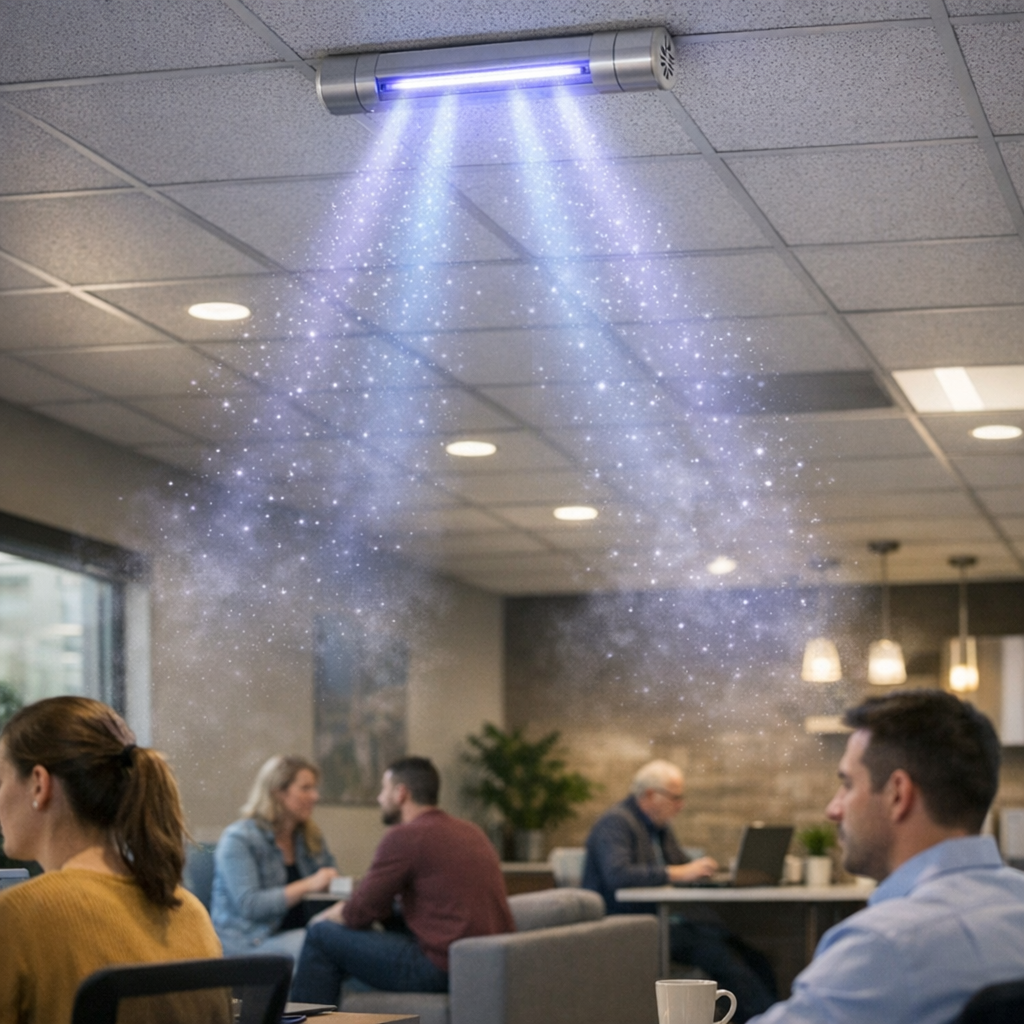
The article outlines how advances in ultraviolet (UV) air disinfection systems—particularly those using far-UVC wavelengths—are demonstrating the capacity to neutralize viruses and bacteria within minutes, rather than hours. Researchers say these systems can operate continuously in occupied spaces without posing the same health risks traditionally associated with higher-intensity UV radiation, which has historically limited widespread indoor use.
According to the findings summarized by Tech Xplore, modern UV air purification systems can be integrated into ventilation systems or deployed as standalone units. In controlled settings, these technologies have shown significant reductions in airborne microbial load, suggesting potential applications in hospitals, schools, offices, and public transit. The ability to rapidly disinfect circulating air could play a role in mitigating the spread of respiratory illnesses, including seasonal influenza and future pandemic threats.
The underlying mechanism involves UV light disrupting the genetic material of microorganisms, rendering them unable to reproduce. While the concept is not new—UV germicidal irradiation has been used for decades in specialized settings—the latest developments focus on improving safety, efficiency, and scalability. Far-UVC light, in particular, is drawing attention because studies indicate it may not penetrate human skin or eyes deeply enough to cause damage, while still effectively inactivating pathogens.
Despite the promise, the article notes that challenges remain. Researchers continue to assess long-term safety data, real-world performance in varied environments, and the cost of large-scale deployment. Regulatory standards and public acceptance will also influence how quickly such systems become commonplace.
Still, the findings reported by Tech Xplore suggest that UV-based air disinfection could become a critical tool in improving indoor air quality. As concerns about airborne disease transmission persist, especially in densely populated or poorly ventilated spaces, technologies capable of rapidly reducing pathogen levels may gain increasing importance in public health strategies.