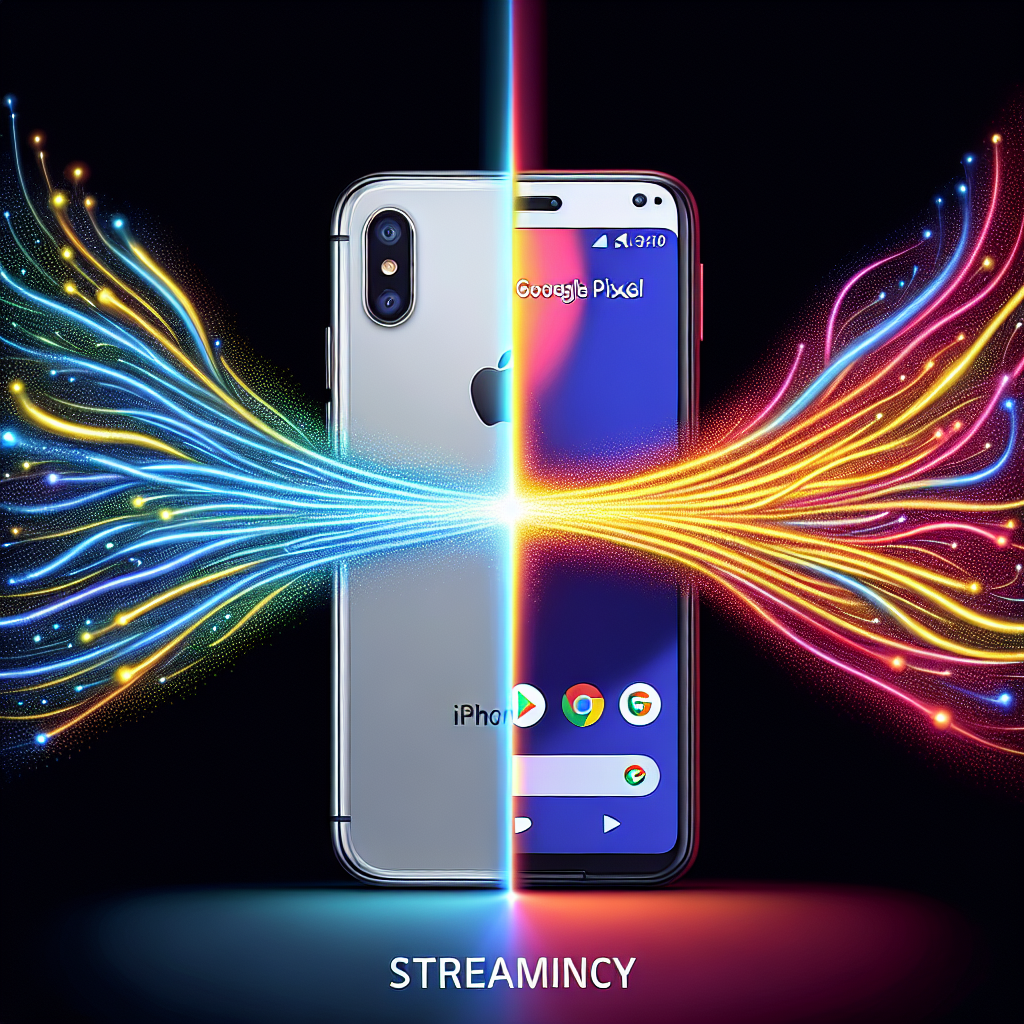
In a move that may alter the landscape of emergency response capabilities within mobile devices, Google’s Pixel smartphones are reportedly developing technology akin to Apple’s real-time emergency streaming. This information comes from an APK teardown analysis published by Startup News, titled “Pixel Phones Might Soon Stream Emergencies in Real-Time, Just Like iPhones.”
An APK, or Android Package Kit, is a file format used by the Android operating system for distribution and installation of mobile apps. The teardown of such files can reveal unimplemented features or highlight upcoming capabilities that are yet to be announced officially. According to the analysis performed by tech experts, the recent version of the Pixel’s safety app suggests hidden features that could allow the phone to stream video directly to emergency services during a crisis.
This potential feature mirrors a similar capability unveiled by Apple in 2021, which was lauded for its innovation in enhancing personal safety through technology. Apple’s version allows users in certain situations to send real-time audio and video to emergency services via their device. This capability utilizes the phone’s onboard cameras and microphone to capture and relay information without requiring user interaction, which can be pivotal during instances where a user might be incapacitated or under duress.
The introduction of this technology in Pixel phones represents Google’s ongoing commitment to integrating advanced safety features that leverage both hardware and software solutions. Experts believe this could significantly improve how emergencies are handled, providing first responders with immediate visual assessments of the situation before they even arrive. Such insights could potentially streamline rescue efforts, allow for better preparedness, and ultimately save lives.
The report also raises questions about the privacy implications of such features. While potentially lifesaving, the capability to stream live video and audio to third parties, even in emergencies, could lead to concerns about when and how these features might be activated, the control users have over data transmission, and how this data is handled by receiving agencies.
Moreover, the integration of this technology would require robust data protection measures to ensure user privacy and data security. Discussions with tech analysts suggest that a clear, transparent usage policy and user consent are critical components that need to be addressed by Google in implementing this feature.
As technology evolves, the intersection of device capability and user safety continues to expand. Google’s efforts to build on existing technology underscore a competitive but beneficial race among tech giants to harness the power of mobile devices in emergency situations. The effectiveness of such technologies, however, will ultimately depend on their implementation, the safeguarding of user data, and the actual utility in real-world emergency scenarios.
For now, the details regarding the final deployment and public availability of this feature remain to be confirmed as further developments occur. As companies like Google push the envelope on what smartphones can do, the line between technology and personal safety continues to blur, promising a future where your phone could be your most vital tool in an emergency.