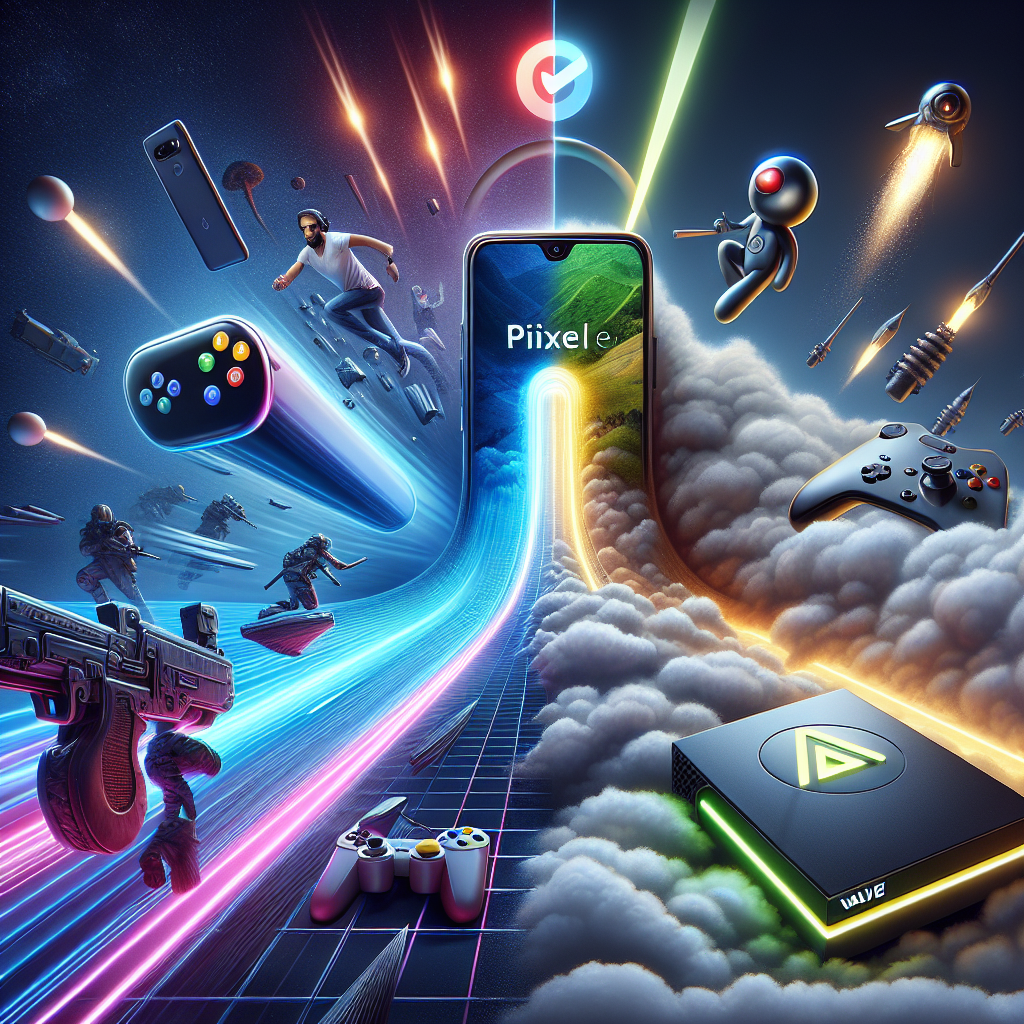
As the consumer tech industry accelerates into a pivotal summer season, major players are issuing significant updates to their product lines, with Google and Valve offering fresh signals about their plans. In a recent piece titled “Gear News of the Week: Google’s Pixel 10a Arrives Soon and Valve Delays Its Steam Hardware,” published by Wired, the publication outlines the shifting timelines and strategic positioning of two of the industry’s most closely watched names.
Google appears poised to expand its popular Pixel A-series with its upcoming release of the Pixel 8a. Expected to be unveiled at the Google I/O developer conference on May 14, the device will reportedly carry a price tag of $500, placing it in direct competition with other mid-tier smartphones. While Google has yet to officially confirm the specifications, leaks and industry speculation suggest the 8a will feature design elements and performance capabilities similar to the flagship Pixel 8, including the Tensor G3 chip, a 120 Hz OLED display, and notable camera improvements.
This alignment with high-end features reflects a broader industry trend in which manufacturers are narrowing the gap between premium and mid-range devices in an effort to appeal to cost-conscious consumers without sacrificing performance. If accurate, the 8a may mark another step in Google’s strategy to differentiate its Android hardware ecosystem amid stiff competition from Samsung and emerging Chinese manufacturers.
Meanwhile, Valve, known for its PC gaming platform Steam and the popular Steam Deck handheld console, has delayed the release of its long-anticipated game streaming hardware. Originally expected to arrive sometime this year, the project has been pushed back with no new timeline publicly announced. Valve cited the need for further development and refinement, underscoring the technical and logistical complexities involved in delivering seamless, high-quality cloud gaming experiences.
This delay may cast a longer shadow than Valve anticipated, especially as competitors like Microsoft and Nvidia gain traction in the burgeoning cloud gaming space. Valve’s decision to postpone could afford them more time to perfect performance and avoid missteps, but it may also risk ceding early market share in an increasingly crowded field.
Wired’s reporting highlights the contrast between Google’s forward momentum and Valve’s cautious recalibrations. While one company prepares to release a device that reinforces its position in the consumer mobile market, the other retreats momentarily to refine a product that could define its role in the next stage of interactive entertainment.
As tech companies tread the line between innovation and execution, timing remains an essential variable. Both Google’s and Valve’s strategies will serve as case studies in how to navigate product development amid intensifying consumer expectations and rapidly shifting technological landscapes.