In an intriguing development for gaming enthusiasts and hardware aficionados, a novel accessory has emerged that promises to enhance the experience of monitoring high-performing graphics cards during operation. Known as GPU Mirror, this device cleverly allows users to watch their graphics card, specifically the high-end RTX 5090, in real time as it functions within the confines of their computer case.
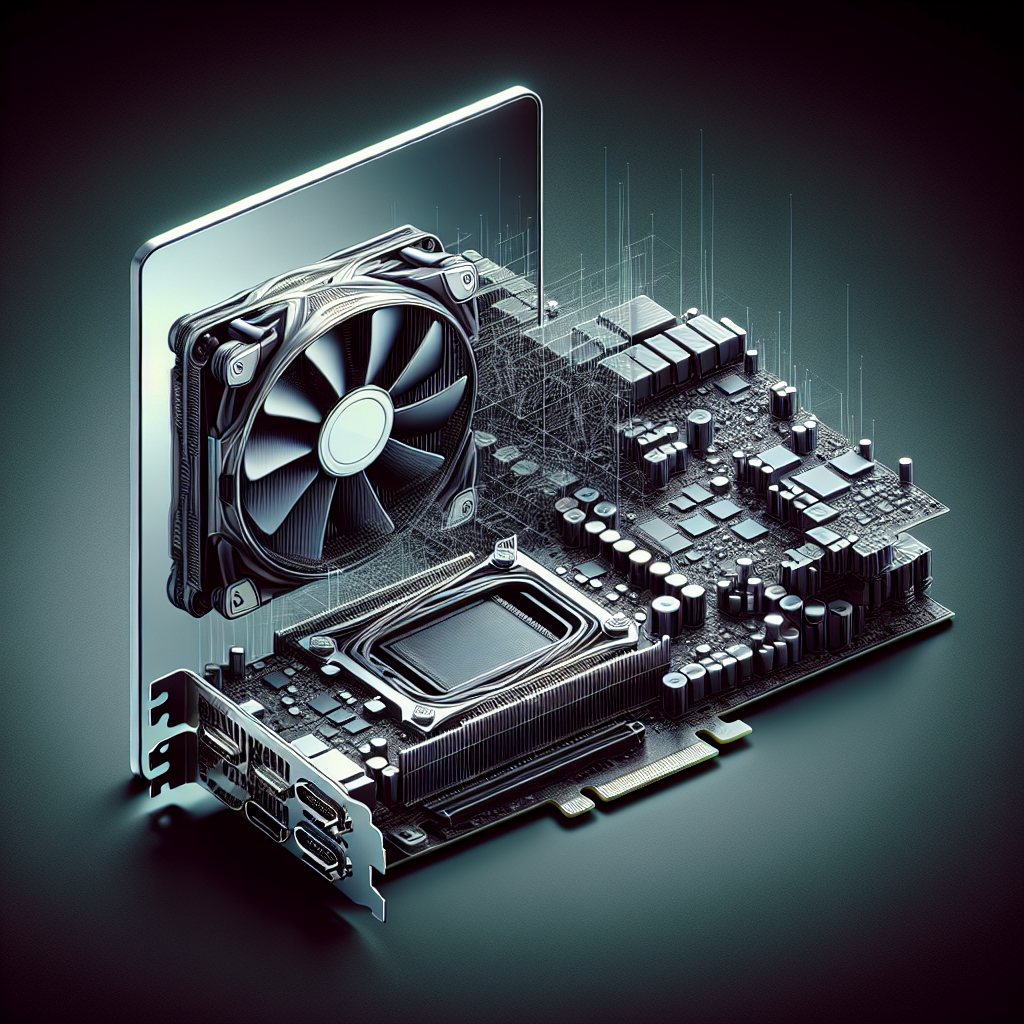
The GPU Mirror addresses a niche but passionate segment of the gaming community that takes pride in not only the performance but also the aesthetics and operation of their hardware. Traditionally, observing a graphics card in action required physically maneuvering to view the components inside a computer case, often an awkward and inconvenient task. The GPU Mirror solves this issue by positioning a small angled mirror above the graphics card, providing a clear view of the card through the case’s transparent side panels.
However, the design of the GPU Mirror is not without its drawbacks. Its placement over the graphics card effectively blocks access to the adjacent PCI-e slots on the motherboard. This design choice limits users who may want to utilize those slots for additional expansion cards, potentially a deal-breaker for those running multi-GPU setups or requiring numerous I/O cards.
The product’s debut raises several interesting points of discussion within the tech community. On one hand, the GPU Mirror enhances the visual engagement of monitoring high-performance equipment, possibly appealing to users who stream their setups or who appreciate a high level of interaction with their hardware. On the other hand, the trade-off in terms of reduced expandability and potential implications for airflow and cooling within the PC case are considerable factors that could deter a significant portion of potential users.
While somewhat whimsical, innovations like the GPU Mirror reflect broader trends in the technology hardware market, where aesthetics and functionality increasingly intersect. As computing systems not only have to perform exceptionally but also look good doing it, manufacturers and accessory makers are likely to continue exploring unique ways to cater to the demands of this visually-oriented market segment. Whether such products will find long-term success, however, may hinge on how well they can balance these sometimes conflicting demands.