The rapid advancement of technology has offered governments around the world a potent new tool to improve urban management and municipal services. However, this technological boon comes with its own set of complex challenges and ethical considerations. According to a recent report from Calcalist titled “From the Military to the Municipality,” there is a growing trend of former military personnel transitioning into pivotal roles within smart city projects, providing unique insights and skills that significantly benefit these initiatives.
Smart city projects involve the integration of various forms of information and communication technology (ICT) solutions to manage a city’s assets, which can include local departments’ information systems, schools, libraries, transportation systems, hospitals, power plants, law enforcement, and other community services. The objective is to improve operational efficiency, share information with the public, and provide a better quality of municipal services.
The involvement of ex-military professionals in these projects, as emphasized in the article, is attributed primarily to their methodical training, problem-solving abilities, and often elite technological backgrounds. These former military members are particularly skilled in areas such as strategic planning, cybersecurity, systems engineering, and crisis management—all critical in the labyrinthine ecosystem of urban management.
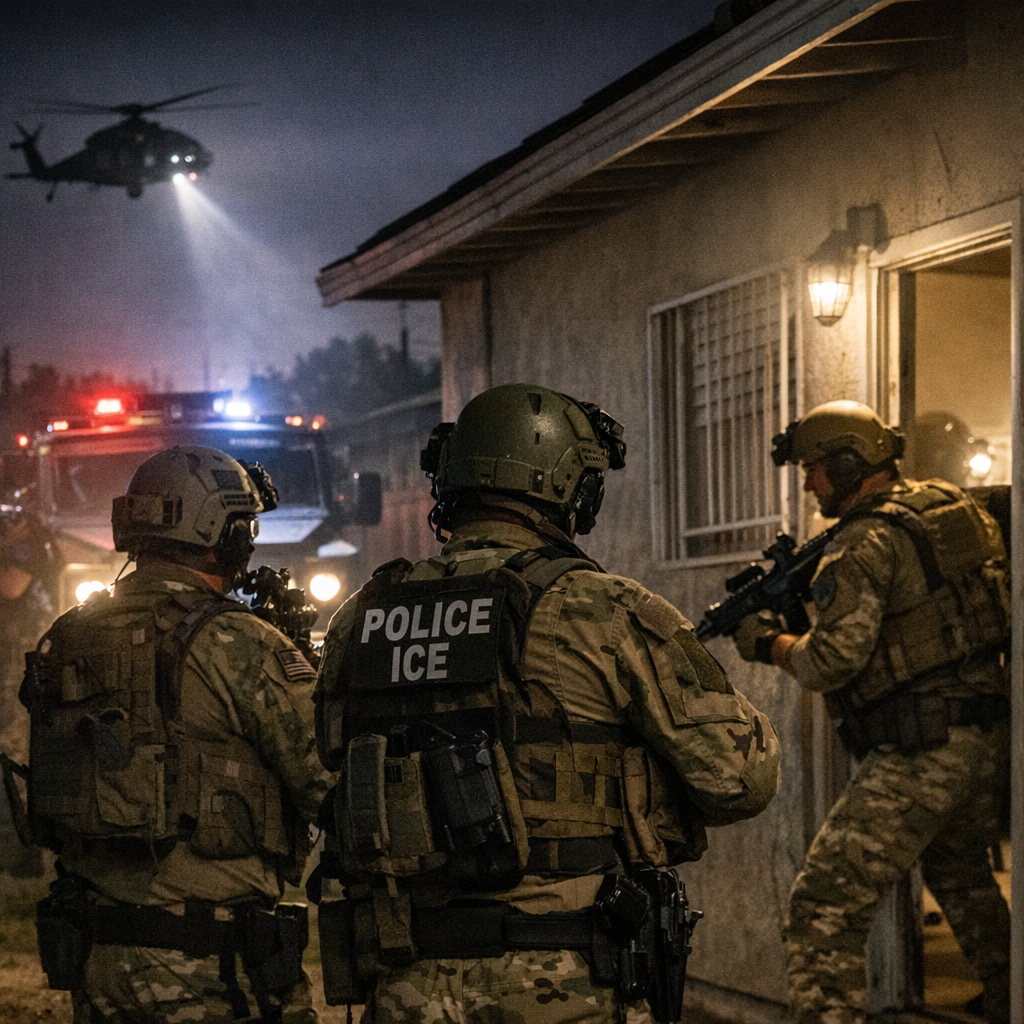
However, the infusion of military expertise in civilian contexts such as smart cities raises important ethical concerns. One concern is the potential militarization of municipal activities. For example, the technology employed in surveillance and data collection might be leveraged in ways that infringe on citizens’ privacy rights, suggesting a landscape where security gains are pitted against civil liberties.
Furthermore, smart cities rely heavily on data, much of it personal and sensitive. This makes data security paramount, a field where military-trained professionals can indeed provide significant expertise. Nevertheless, their training in handling classified and sensitive information needs to be balanced with an understanding of and dedication to public accountability and transparency.
Public perception and trust are crucial. Citizens may have reservations about the extent of surveillance and data collection being implemented, particularly if former military personnel lead such initiatives. Transparency regarding what data is collected, how it is used, and who has access to it is essential in gaining public trust—a principle that sometimes can be at odds with the discreet nature of many military operations.
Counterbalancing these concerns, the knowledge and experience of ex-military professionals can contribute significantly to the efficiency, safety, and resilience of smart cities. Their ability to handle crises and implement large-scale projects while considering security aspects is invaluable. In the article, it was also highlighted that these individuals often bring a level of discipline and leadership that is instrumental in effectively managing large, complex projects, which are ubiquitous in urban settings.
As cities continue to evolve into smarter and more technologically integrated entities, the debate over how to manage and implement these advancements is bound to escalate. Finding a balance between leveraging the specialized skills of ex-military personnel while ensuring the safeguarding of civil liberties and promoting transparency will be key.
Thus, as urban areas worldwide continue to grow and become more technologically dependent, the role of former military personnel in smart city projects represents a unique intersection of technology, military expertise, and public civic management. The insights provided in “From the Military to the Municipality” encourage a broader discussion about the optimal ways to balance these dynamics in the pursuit of more efficient, secure, and livable cities.