As the world turns its gaze toward self-improvement in the early days of 2026, artificial intelligence is emerging not only as a productivity tool but as an increasingly personal guide. According to a recent article titled “AI: Your New Year Resolution Coach?” on Startup News FYI, a new breed of generative AI applications is transforming how people approach the daunting task of keeping New Year’s resolutions. These digital coaches offer personalized support, goal tracking, and motivational aid in a way that is resonating with consumers looking for sustainable change.
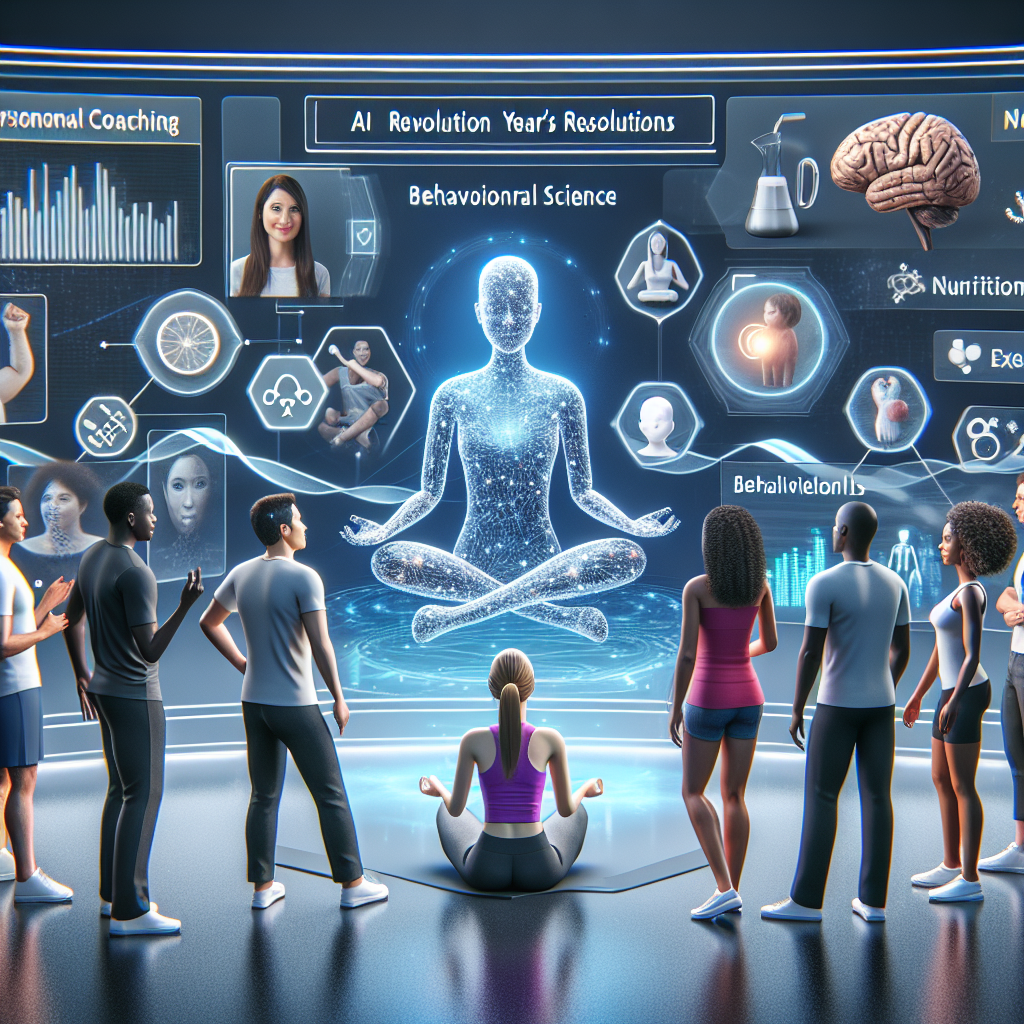
At the core of these AI-driven platforms is the power of large language models, which can simulate human conversation, adapt to individual user goals, and generate dynamic feedback. Unlike traditional static planning apps, these tools emphasize personalization—adapting recommendations based on evolving user habits, preferences, and even emotional states. The article notes that this evolution in AI interactivity is making it possible for users to receive encouragement and structured support that feels tailored and timely, similar to working with a personal coach or accountability partner.
Several startups are driving this trend by combining behavioral psychology with machine learning. Users input resolutions ranging from health and fitness to career development or mindfulness, and the AI constructs a roadmap with incremental steps. As users interact with the system—logging progress or sharing setbacks—the AI recalibrates goals or suggests alternatives. Crucially, it also provides motivational nudges drawn from behavioral science, designed to keep users engaged beyond the typical resolution drop-off point in mid-January.
The value proposition is not lost on investors. According to the Startup News FYI piece, health and wellness-focused AI startups experienced a noticeable uptick in venture funding at the close of 2025, fueled in part by a growing consumer appetite for self-improvement tools that blend technology with empathy. The article cites several firms currently competing in this space, with differentiators including voice integration, mindfulness interface design, and integration with wearables.
Despite the optimism, questions remain about long-term efficacy and data privacy. As these AI coaches mine user input to build detailed motivational profiles, the potential for sensitive data misuse grows. Experts urge users to be mindful of privacy policies and to approach AI suggestions critically, particularly when they intersect with medical or psychological advice.
Nonetheless, the potential is undeniable. These AI systems, with their capacity for sustained and personalized interaction, may help reverse the long-standing resolution dropout trend. Whether this signals a meaningful change in human behavior or merely a more sophisticated form of goal-setting remains to be seen. What is clear, however, is that the intersection of AI and personal development is rapidly reshaping the landscape of self-improvement, one goal at a time.